Rhinoplasty
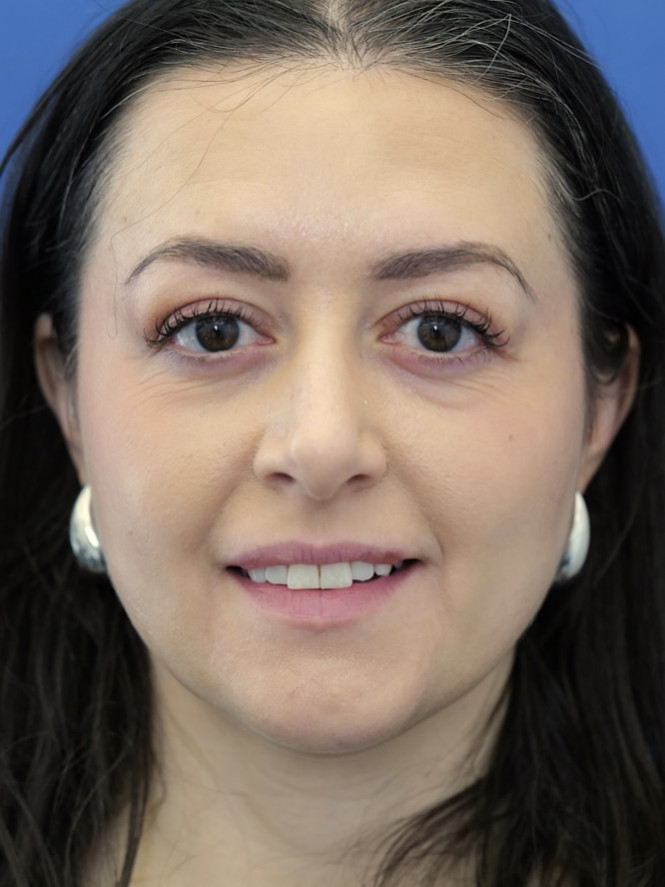
Case 6903 · Dorsal Hump and Finesse Tip
View case details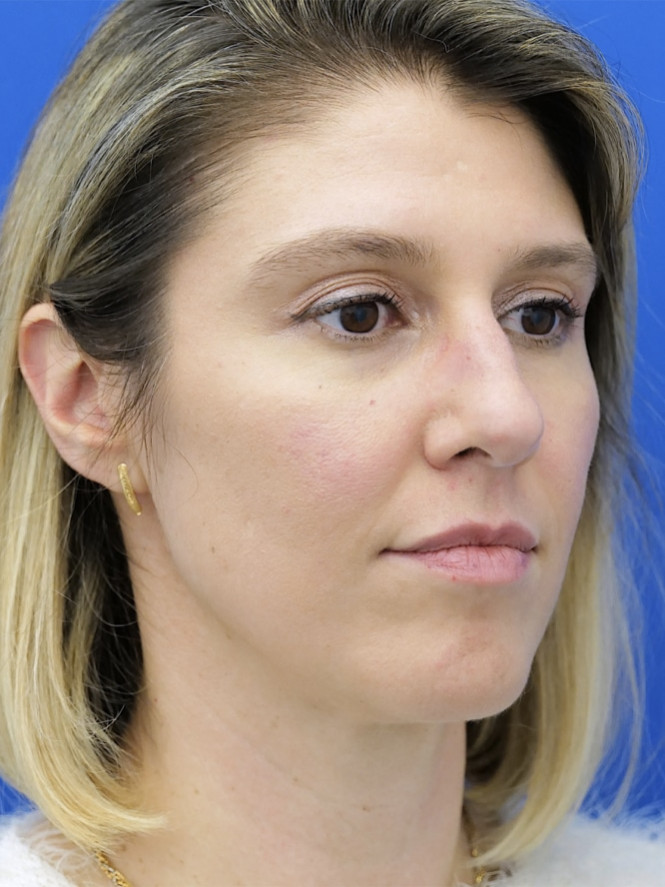
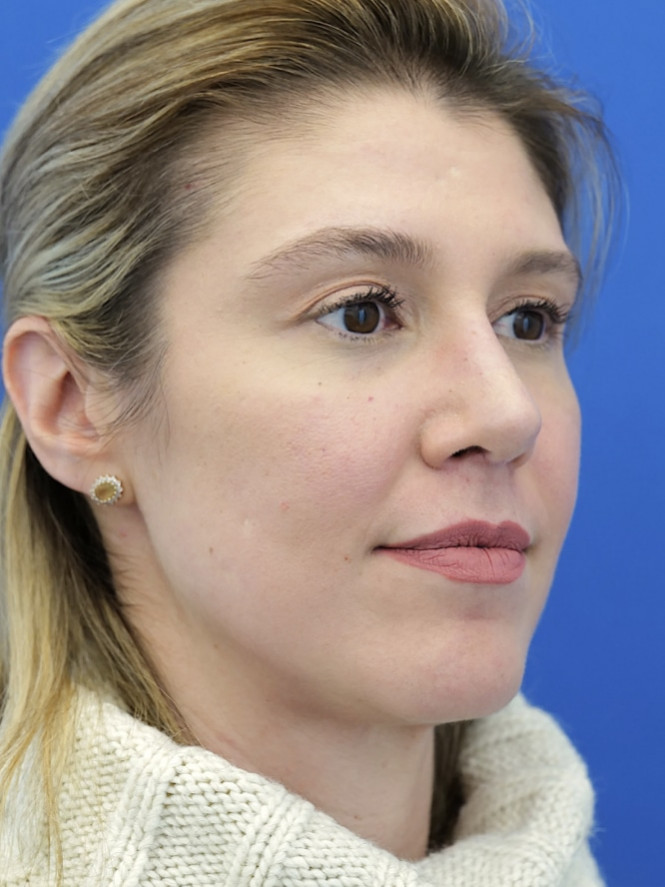

Wrinkles around the eyes can make you look (and feel) older than you really are. How do we get those wrinkles, and what can we do about them?
As we age, the skin loses elastin and collagen, which helps skin to look firm, young, and supple. When there is less elastin and collagen, the skin loses its elasticity, which leads to wrinkles and fine lines. The area around and between the eyes is very delicate and can develop wrinkles very easily – often this is the first place we might notice lines.
Besides aging, here are some other factors that lead to wrinkles around the eyes:
If you are concerned about wrinkles around the eyes, you can take steps to take care of your skin, such as quitting smoking, always wearing sunscreen and sunglasses when you go outside, and trying to eat healthier. Other tips for preventing wrinkles are to make sure you moisturize your skin often (the area around the eyes often gets overlooked when we moisturize) and to stay hydrated. Unfortunately, sometimes these efforts are too little, too late, and won’t help the wrinkles that have already formed.
Another option is a dermal filler, such as Restylane or Juvéderm. These fillers help to minimize the appearance of wrinkles and give your skin the nutrients it craves! The process of getting a filler is quick, and the results are almost instantaneous and long-lasting.
If you are tired of wrinkles around the eyes and home remedies don’t seem to be doing anything, Dr. Johnny Mao and Mao Facial Plastic Surgery can help. Call the office in Orange, Connecticut, at (203) 907-0501 for an appointment today!
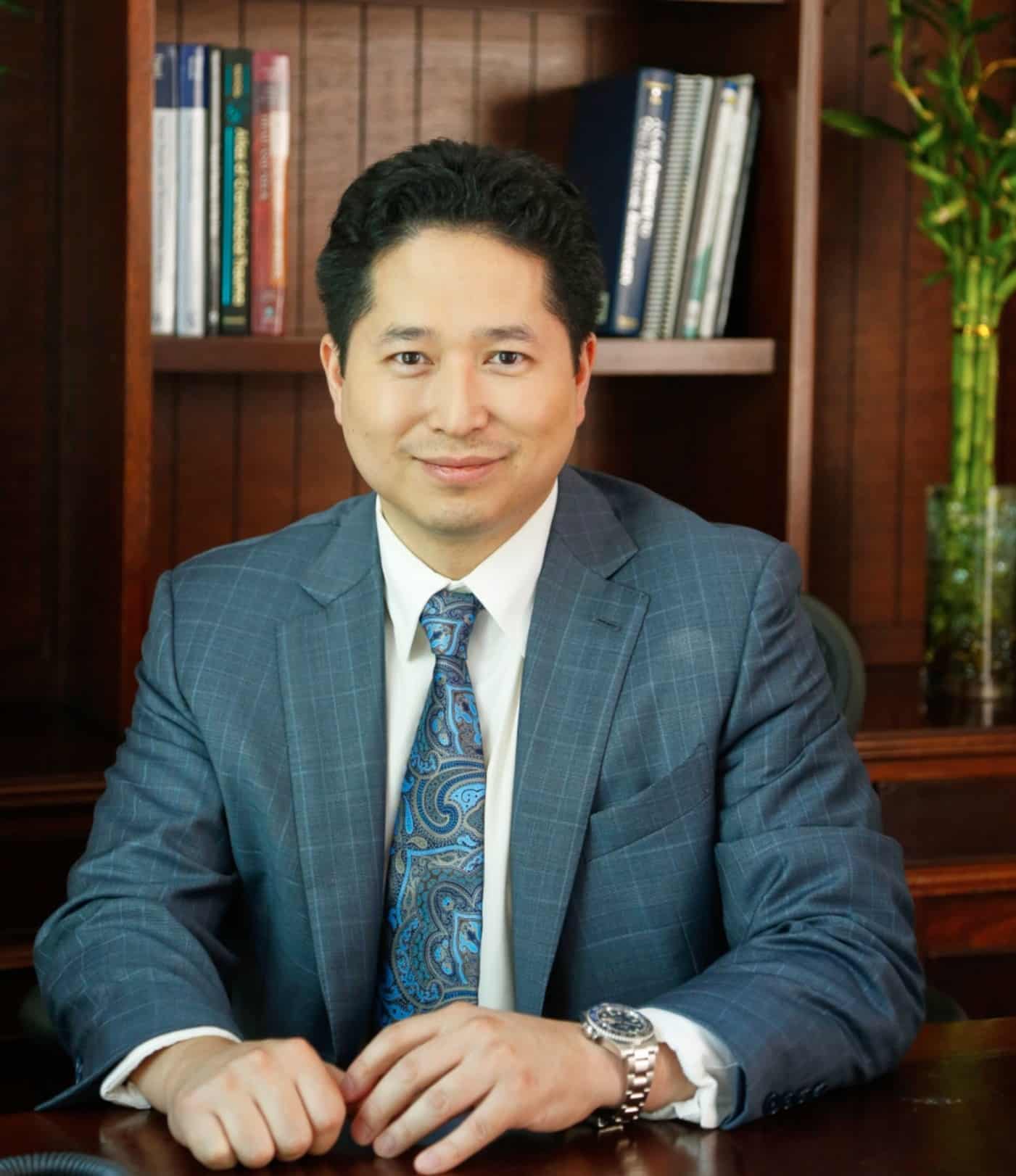
Get to know the surgeon behind Mao Facial Plastic Surgery.
Dr. Johnny Mao’s practice focuses on facial plastic and reconstructive surgery, with surgical and non-surgical options tailored to individual concerns. A consultation is the opportunity to discuss your features, your goals, and the care that may be appropriate for you.
Visit our Orange office to ask questions about treatment options, recovery, and follow-up, and learn more about Dr. Mao’s background and approach to care.
Treatment recommendations based on your anatomy, concerns, and desired outcome — never a one-size-fits-all approach.
Results designed to look natural and harmonious with your existing features rather than overdone.
Clear communication and support before, during, and after treatment so you always know what to expect.
Discuss your concerns and goals in a private, unhurried setting and learn about your options.
Receive a recommended treatment plan with realistic expectations and a clear timeline.
Our team is available throughout your recovery with follow-up visits and guidance.
Selected by Dr. Mao. Explore these featured transformations, then discover more patient results in our full gallery.
Showing 12 featured cases
A selection of Dr. Mao's patient results. Browse the full gallery for more before-and-after photos by procedure.
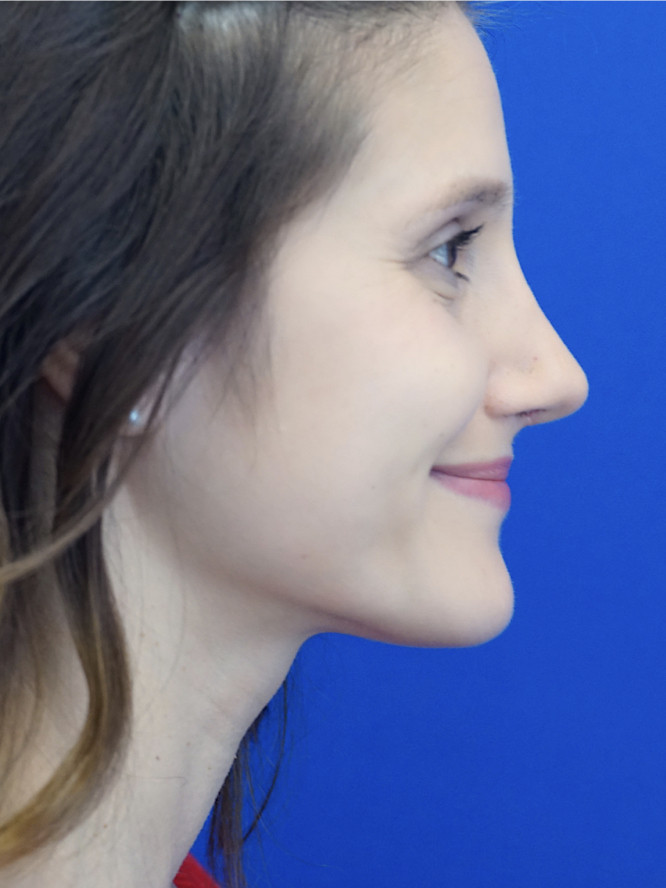
Case 6903 · Dorsal Hump and Finesse Tip
View case detailsCase 3291 · Nasal Profile Bliss
View case details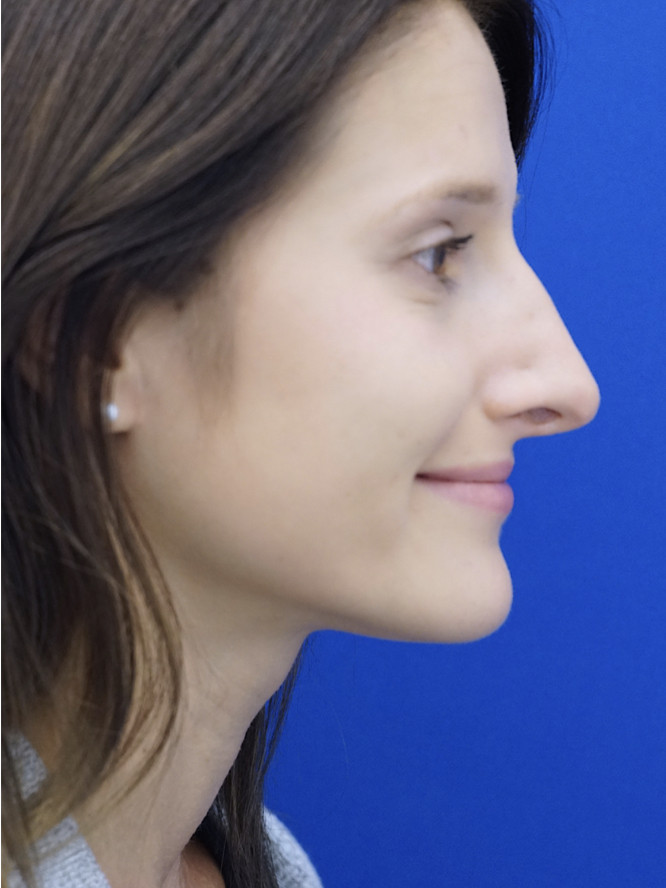
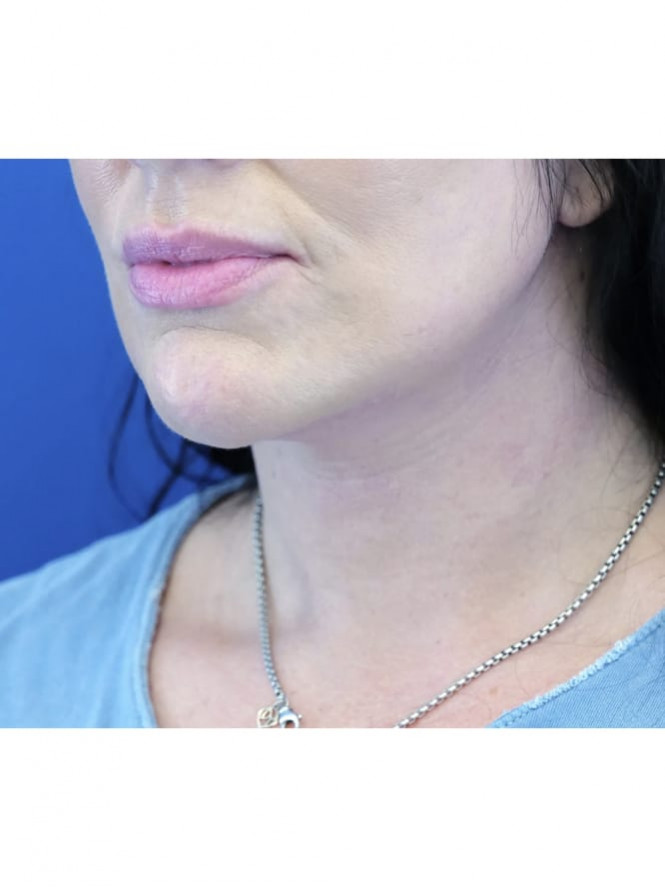
Case 6821 · Deep Plane Lower Facelift
View case details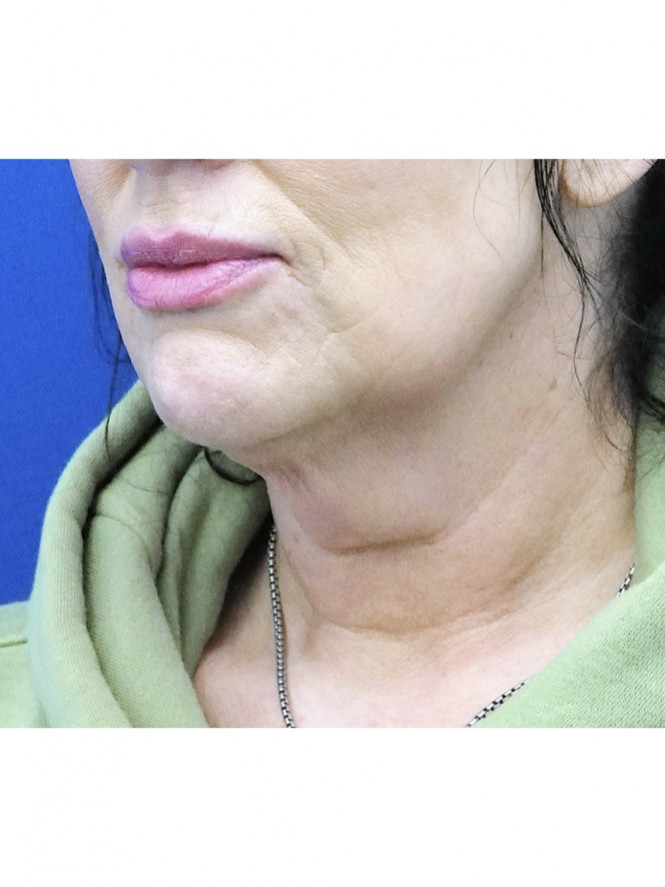
Case 5704 · Fantastic Facial Profile
View case details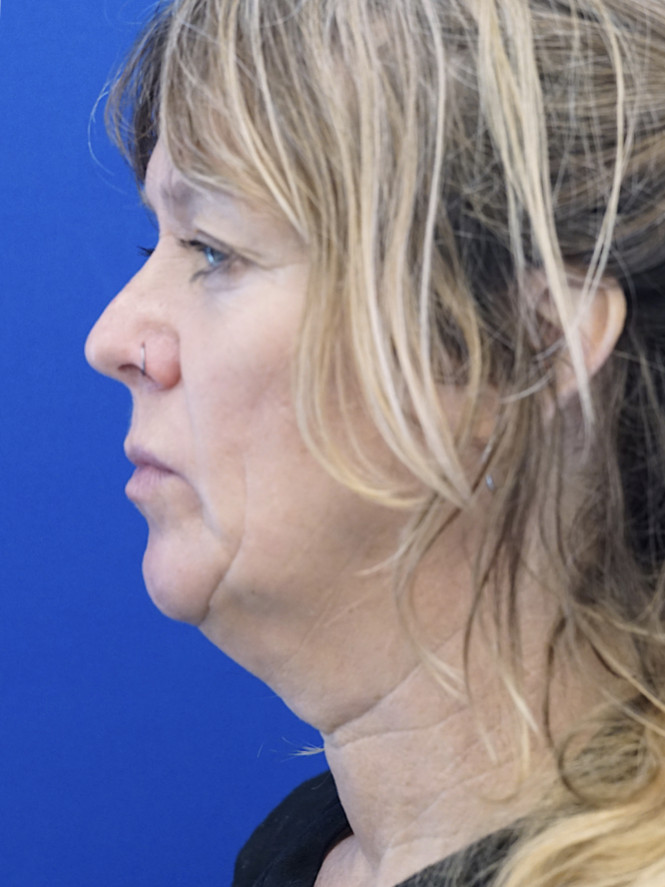
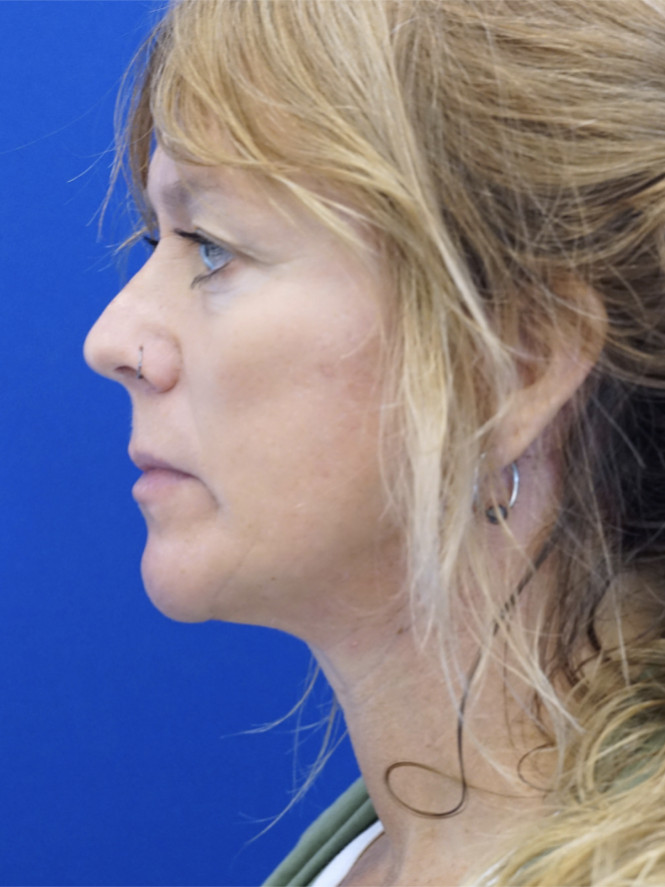
Case 7154 · Natural Result
View case details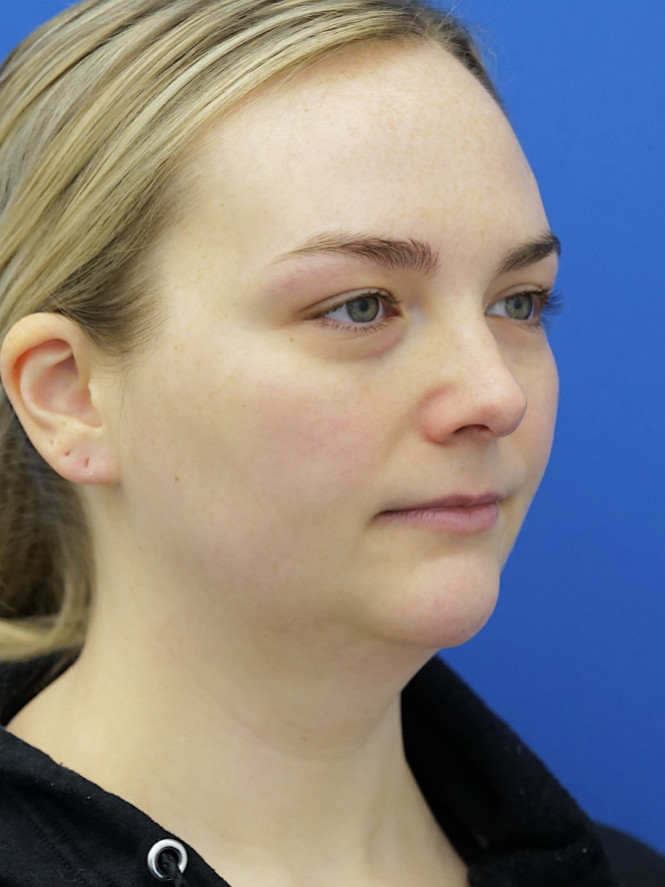
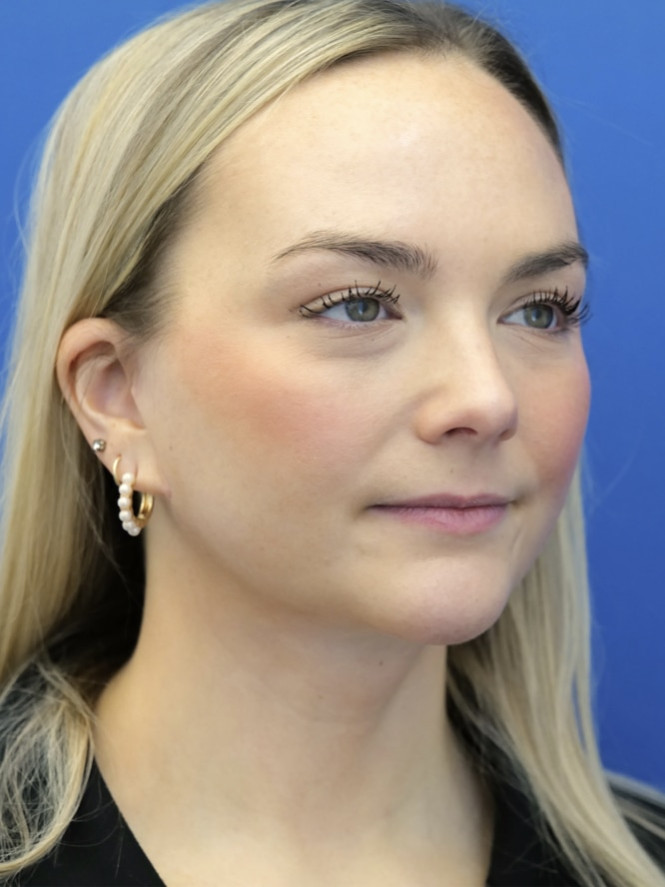
Case 6868 · Brow Fat Suspension
View case details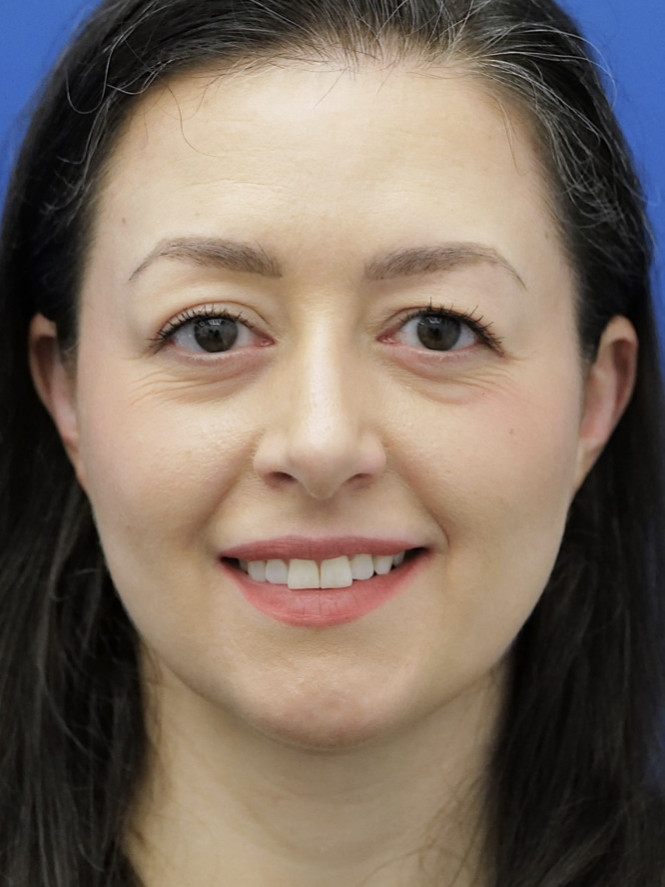
Case 7252 · Lower Lid Fat Reposition
View case details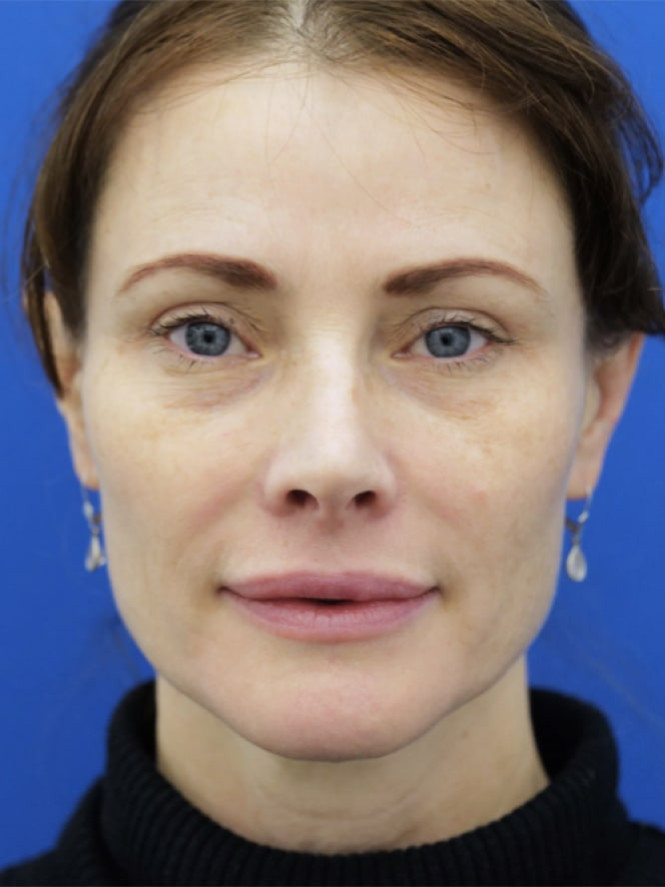
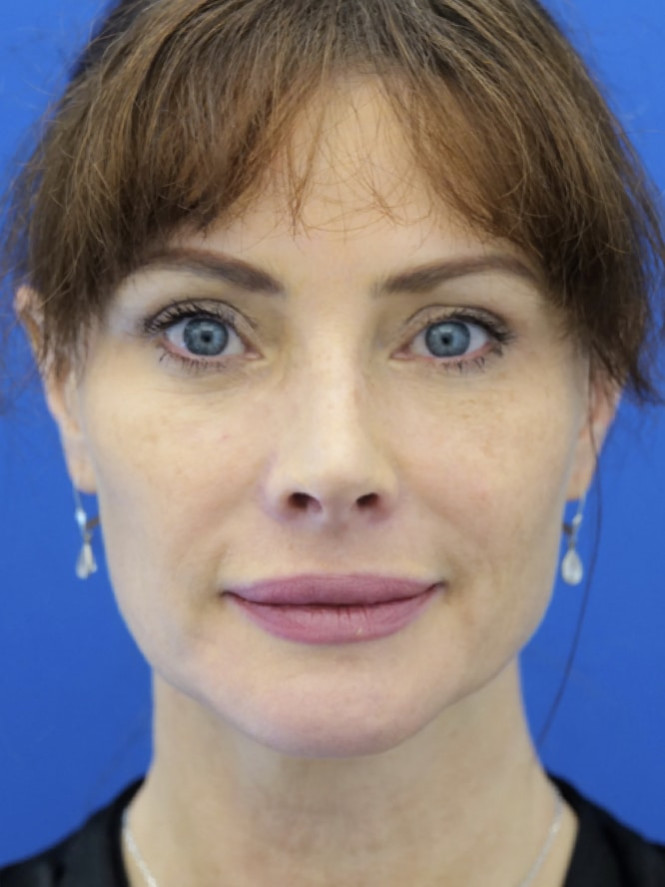
Case 6655 · Endoscopic Browlift, Quad Blepharoplasty
View case details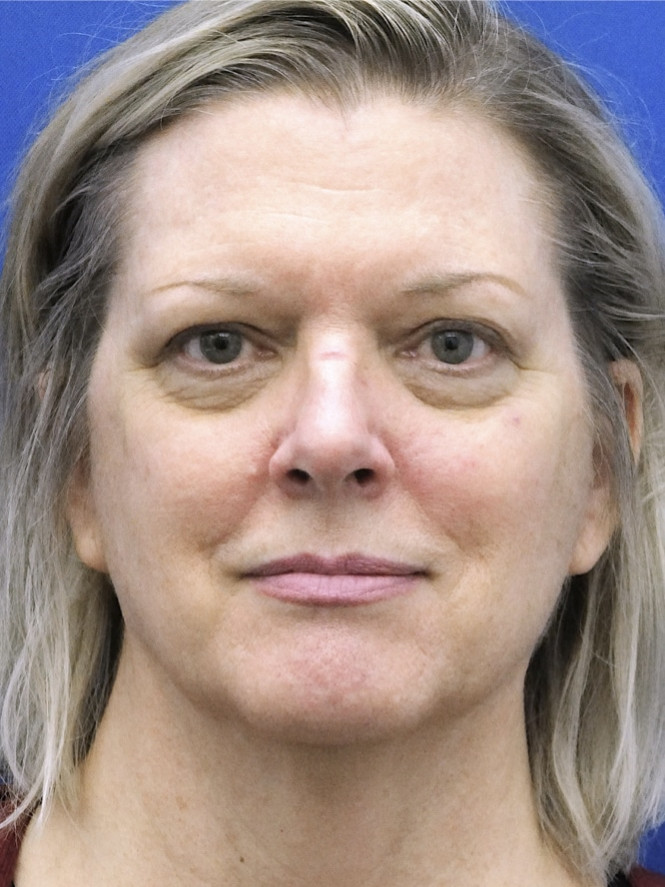
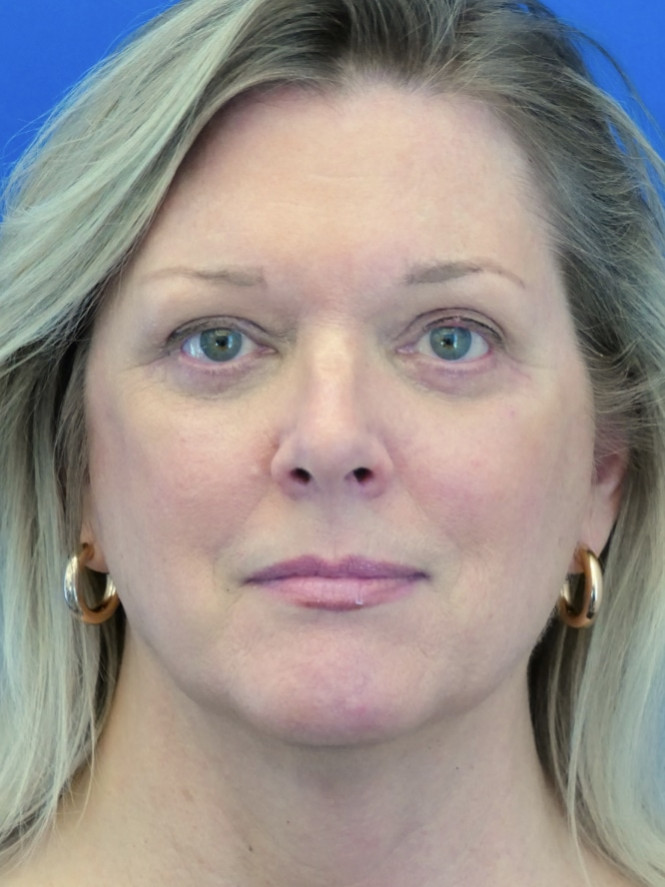
Case 2323 · Vertical Lengthening Chin*
View case details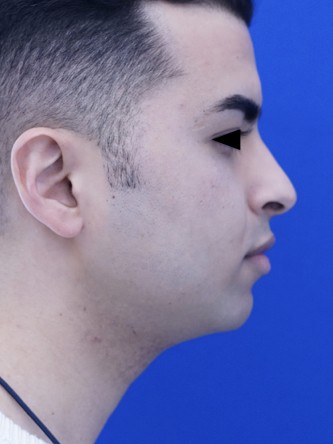
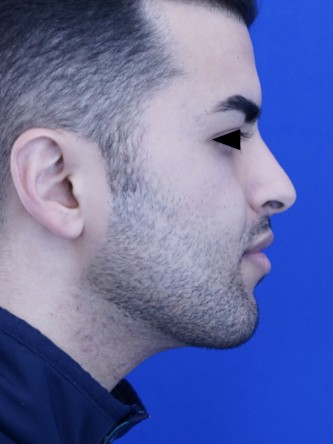
Case 6966 · Ridge Creation and Setback
View case details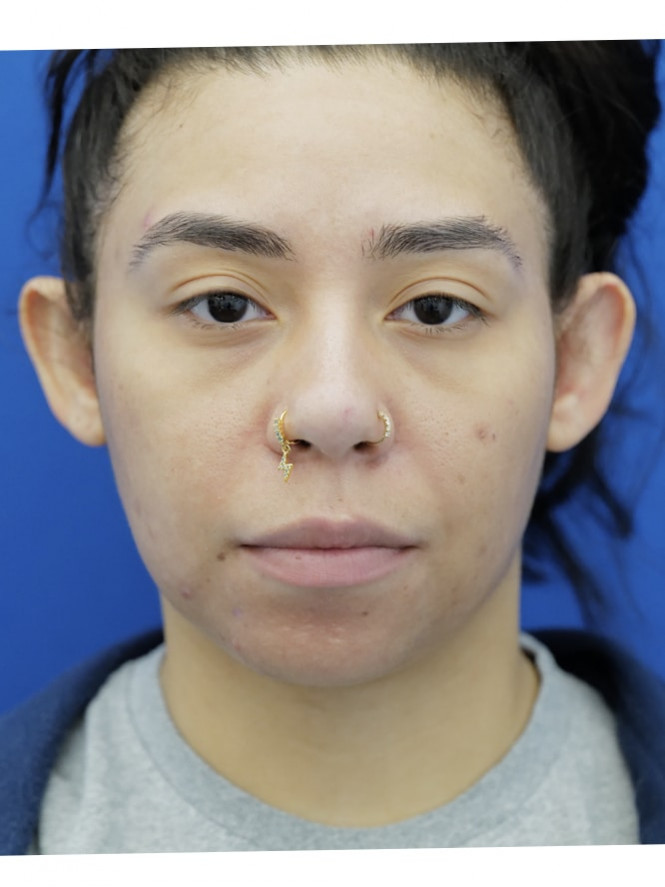
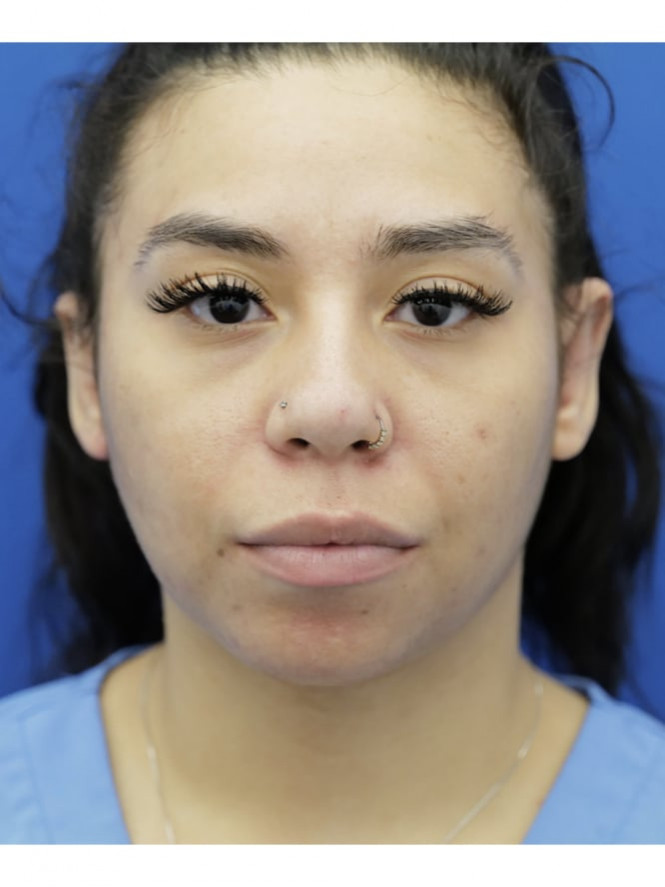
Case 7561 · Awesome Jawline
View case details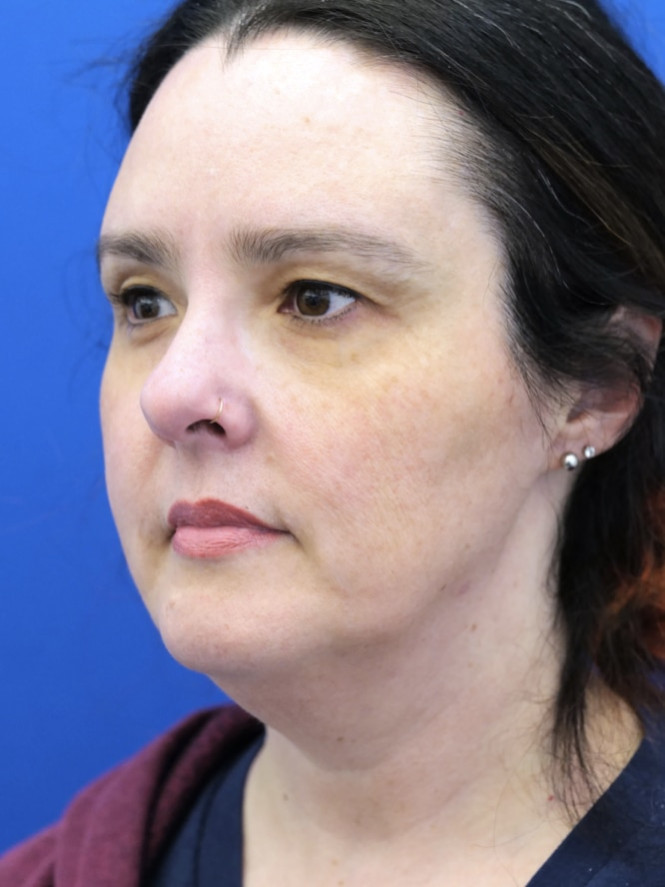
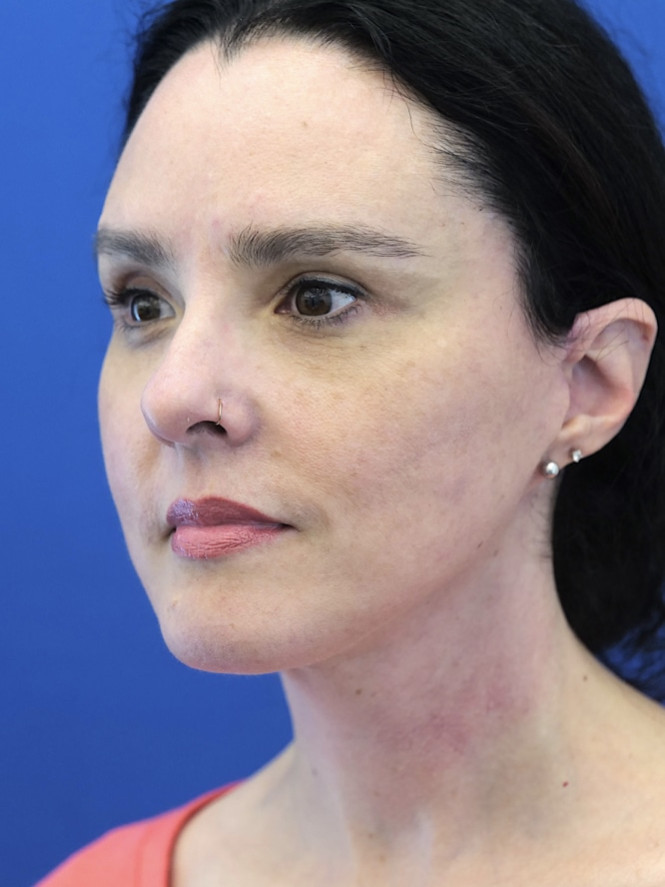
Case 7566 · Preserving Tip Surface Aesthetics
View case details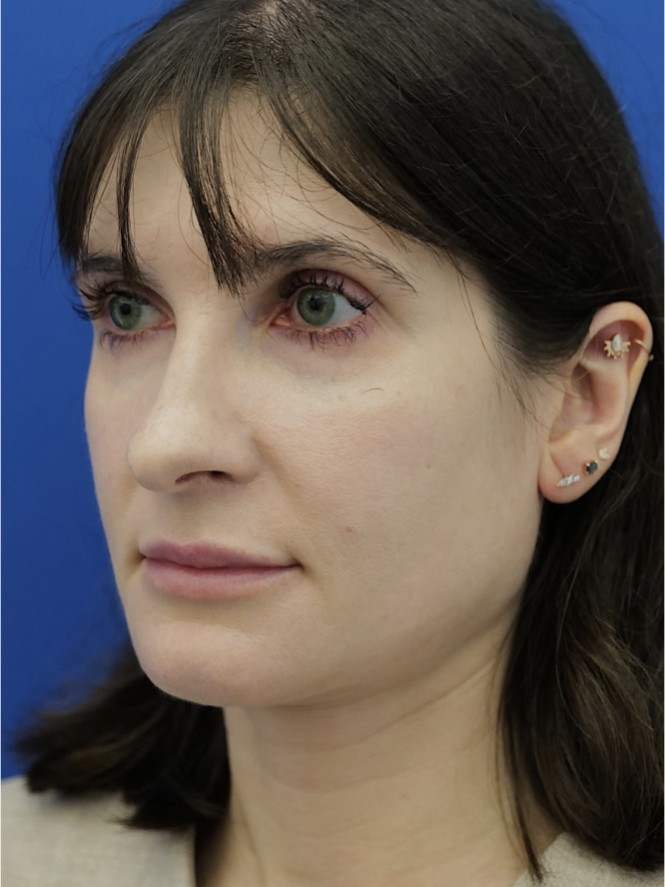
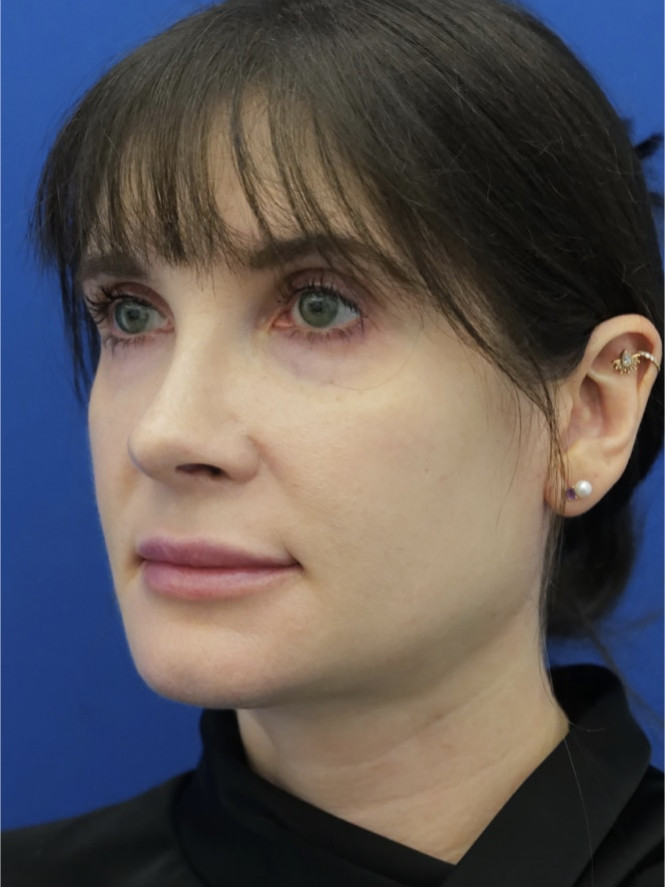
Individual results vary.
Explore other options as part of an individualized treatment discussion.
Injectables, fillers, and laser treatments remain available for patients exploring non-surgical care. Your consultation can help clarify which options fit your goals.
Explore Non-Surgical Options/// FIND THE RIGHT INJECTABLE FOR YOU
Read patient feedback published by the practice and on independent review platforms.
Patient feedback includes experiences with facelift, rhinoplasty, eyelid surgery, otoplasty, and revision procedures.
Read practice testimonialsPublished feedback also covers injectable treatments, liquid rhinoplasty, BOTOX®, fillers, and laser services.
Read practice testimonialsVisit Dr. Mao's RealSelf profile for additional patient reviews and procedure information.
View RealSelf reviewsWelcoming patients from Branford, Cheshire, East Haven, Fairfield, Milford, North Haven, Orange, Shelton, Southport, Weston, Westport, Wilton, Woodbridge, New Canaan, Darien, and surrounding Connecticut communities.
Mao Facial Plastic Surgery 200 S Orange Center Rd
Meet with Dr. Johnny Mao to discuss your aesthetic goals and available facial rejuvenation options.
Request a Consultation Call (203) 907-0501