Protruding Ears – Moderate*
Patient case · Otoplasty
View all case photos →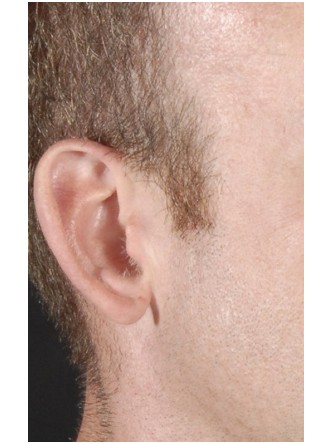
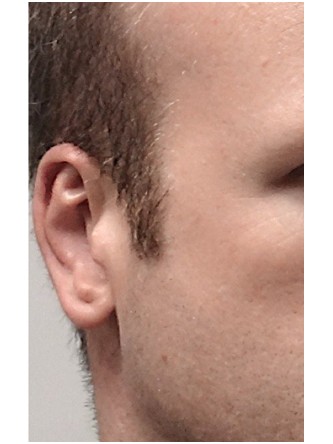
Oblique Right: *Individual results may vary.

An individual approach to ear shape and proportion.
Otoplasty is surgery to change the appearance of the ears. At Mao Facial Plastic Surgery, a consultation starts with the specific shape, position, or earlobe concern you would like to address.
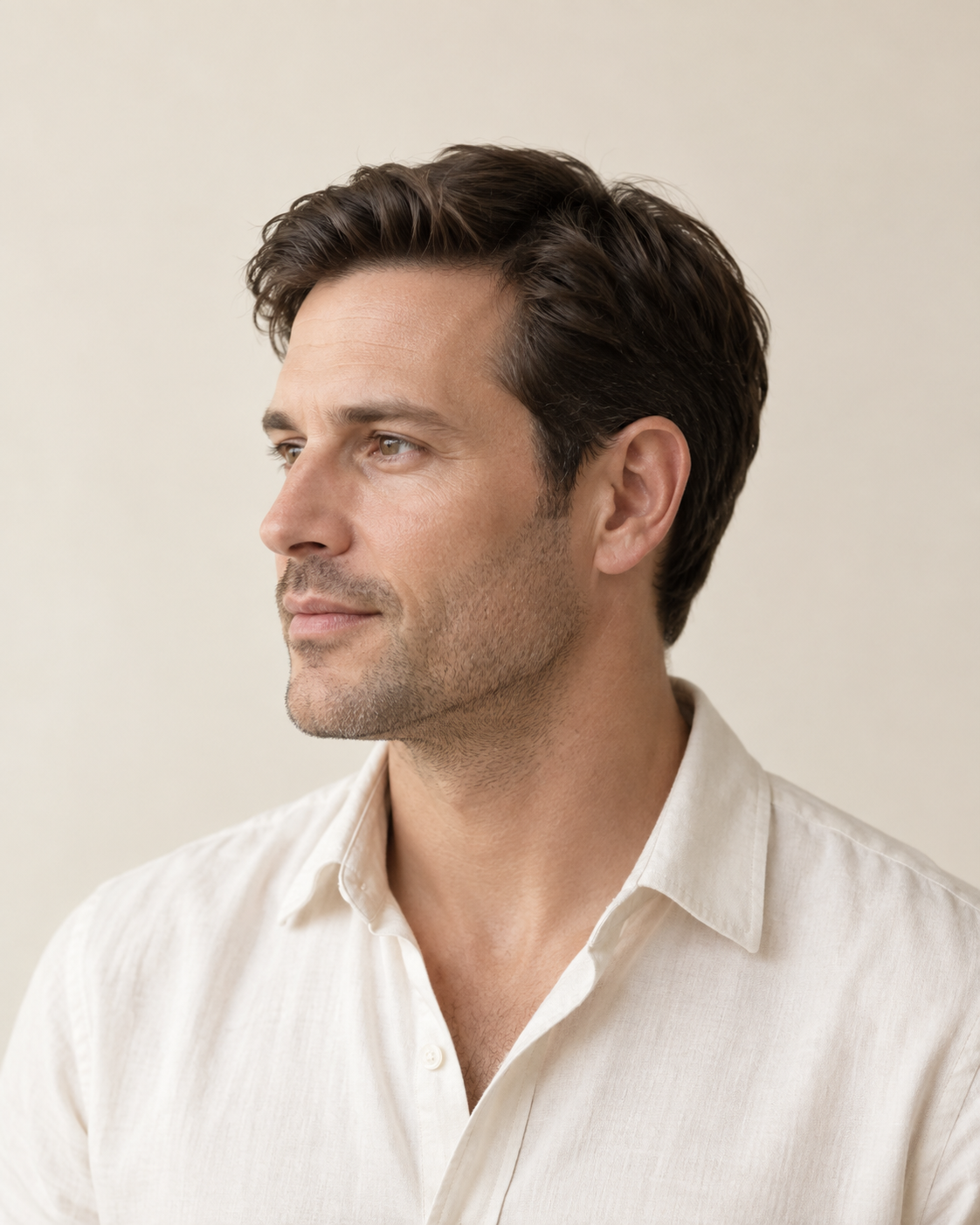
Otoplasty (ear surgery) is a cosmetic procedure to improve the appearance of the ears. Otoplasty does not affect hearing, and provides significant psychological benefits to anyone who is teased about ear size and/or shape, has had a serious ear injury, or simply wants to improve his or her appearance. Otoplasty is most often performed to set unusually protruding ears closer to the head (ear pinning) or to reduce the size of abnormally large ears. Otoplasty may also be helpful in repairing the following:
New ears or parts of ears can be constructed for patients who are missing them from causes that include birth defects, severe injuries and skin cancers.
People of any age who feel self-conscious about their ears may be good candidates for otoplasty, although it is typically performed on children between 4 and 14 years old. Ears are almost fully developed by the of age 4, so early surgery can help create self-confidence when a child begins going to school. Not everyone is a candidate for otoplasty; a patient must be in good general health, and have realistic expectations about what it can do.
Otoplasty generally takes 2 to 3 hours, and is performed on an outpatient basis. The type of anesthesia used typically depends on the age of the patient, with general anesthesia recommended for very young patients, and local anesthesia and a sedative recommended for older children and adults.
Otoplasty begins with a small incision's being made behind the ear, in the natural crease where the ear meets the head. The cartilage is then sculpted and bent to achieve the desired appearance. In some types of otoplasty, skin is removed, but the cartilage is left in one piece and merely bent back on itself to create a less protruding ear.
After sculpting the cartilage to the desired shape, sutures and a bandage are used to hold the ear in position until healing is complete. To make sure they are as symmetrical as possible, both ears may be operated on even if only one has a problem.
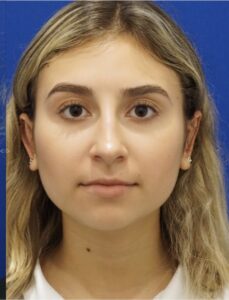
Although the ears may ache or throb for a few days, a patient usually feels normal within hours of the surgery's completion.* Medication is prescribed to help alleviate any discomfort. A few days after otoplasty, the bandages around the head are replaced with a surgical dressing that is worn for about a week, at which point the stitches are removed. Otoplasty patients should avoid sleeping on their sides for the first 2 weeks after surgery. About 1 week following otoplasty, most patients are able to return to their normal routines.*
After the ears have healed completely, they usually have faint scars on their backs, which typically fade with time and, because of their strategic placement, are virtually invisible.*
Complications of otoplasty are rare and usually minor. A small percentage of otoplasty patients develops a blood clot on the ear or an infection in the cartilage. These issues may resolve on their own or be treated medically through intervention or antibiotics. Other possible complications include a change in skin sensation at the surgical site. There is also a possibility that a patient will not be satisfied with the appearance of the ears postsurgery. A patient should not expect the ears to match exactly; even natural ears are not entirely symmetrical.
*Individual results may vary.
To learn more about Ear Surgery and whether you are a candidate for the procedure, please call (203) 907-0501 or text (203) 907-0501 today. You can also fill out the appointment request form in our contact page, and our office staff will help you set up a personalized appointment with Dr. Johnny Mao. Our practice serve Orange and the surrounding areas of Connecticut.
Individual results and recovery vary. Your consultation provides guidance specific to your needs.
Request a ConsultationExplore published patient cases related to this treatment at Mao Facial Plastic Surgery. Some cases include multiple procedures; the original case titles and details are retained. Individual results vary.
Patient case · Otoplasty
View all case photos →Oblique Right: *Individual results may vary.
Patient case · Otoplasty
View all case photos →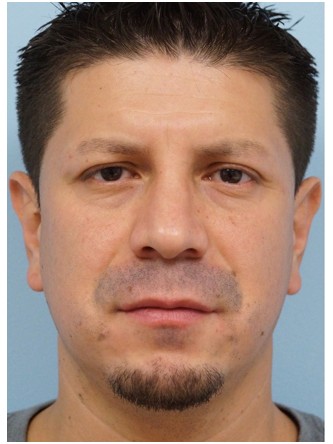
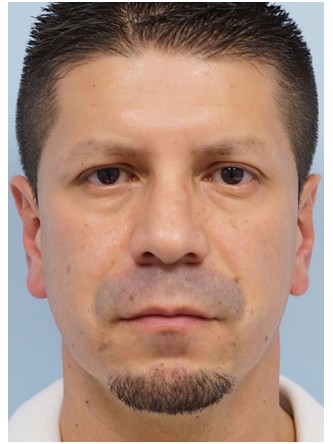
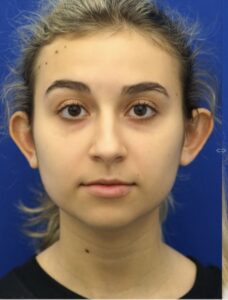
Front: *Individual results may vary.
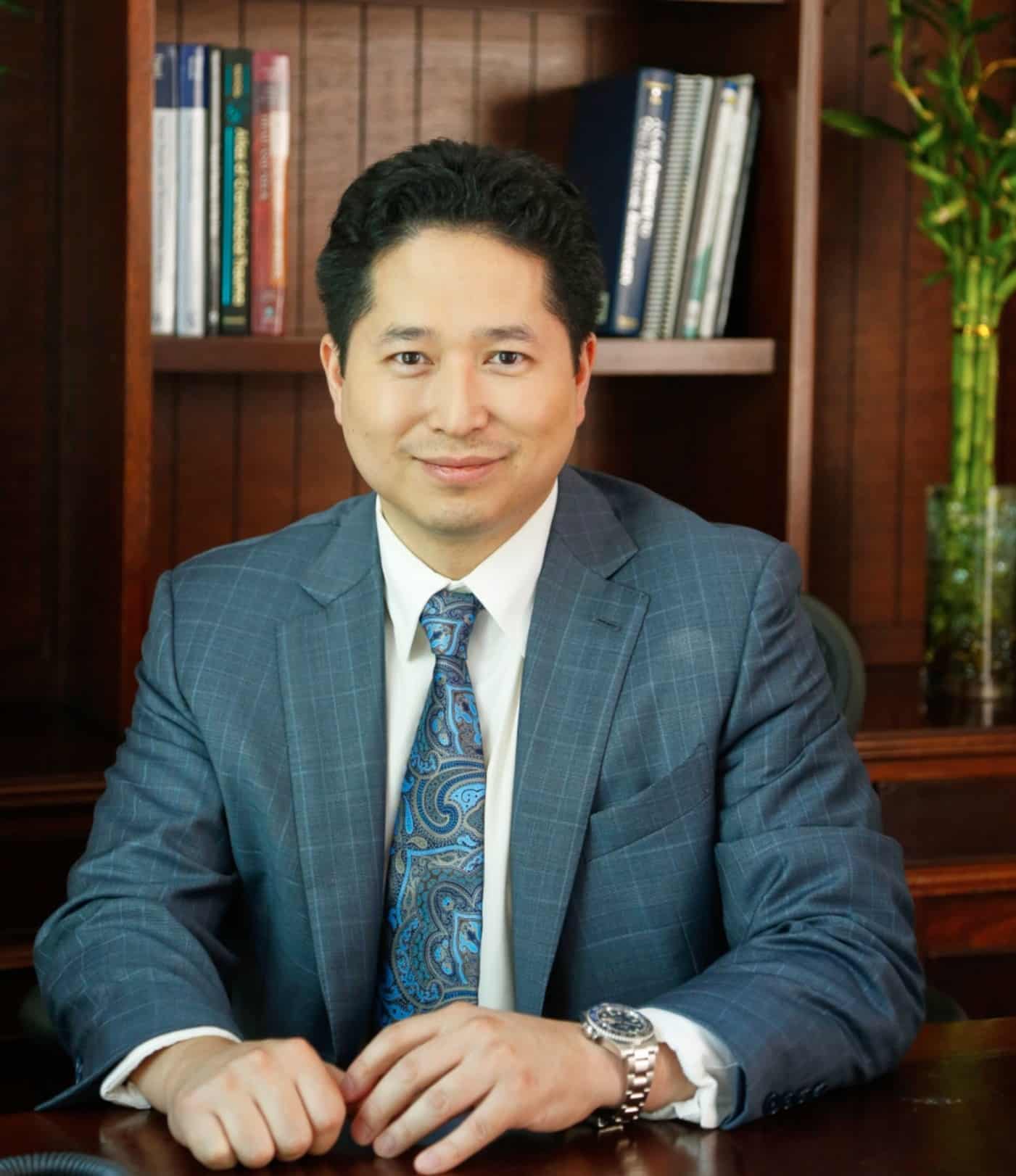
Get to know the surgeon behind Mao Facial Plastic Surgery.
Dr. Johnny Mao’s practice focuses on facial plastic and reconstructive surgery, with surgical and non-surgical options tailored to individual concerns. A consultation is the opportunity to discuss your features, your goals, and the care that may be appropriate for you.
Visit our Orange office to ask questions about treatment options, recovery, and follow-up, and learn more about Dr. Mao’s background and approach to care.
Treatment recommendations based on your anatomy, concerns, and desired outcome — never a one-size-fits-all approach.
Results designed to look natural and harmonious with your existing features rather than overdone.
Clear communication and support before, during, and after treatment so you always know what to expect.
Discuss your concerns and goals in a private, unhurried setting and learn about your options.
Receive a recommended treatment plan with realistic expectations and a clear timeline.
Our team is available throughout your recovery with follow-up visits and guidance.
Explore other options as part of an individualized treatment discussion.
Injectables, fillers, and laser treatments remain available for patients exploring non-surgical care. Your consultation can help clarify which options fit your goals.
Explore Non-Surgical Options/// FIND THE RIGHT INJECTABLE FOR YOU
Welcoming patients from Branford, Cheshire, East Haven, Fairfield, Milford, North Haven, Orange, Shelton, Southport, Weston, Westport, Wilton, Woodbridge, New Canaan, Darien, and surrounding Connecticut communities.
Mao Facial Plastic Surgery 200 S Orange Center Rd
Meet with Dr. Johnny Mao to discuss your aesthetic goals and available facial rejuvenation options.
Request a Consultation Call (203) 907-0501