Natural Result
Patient case · Rhinoplasty External
View all case photos →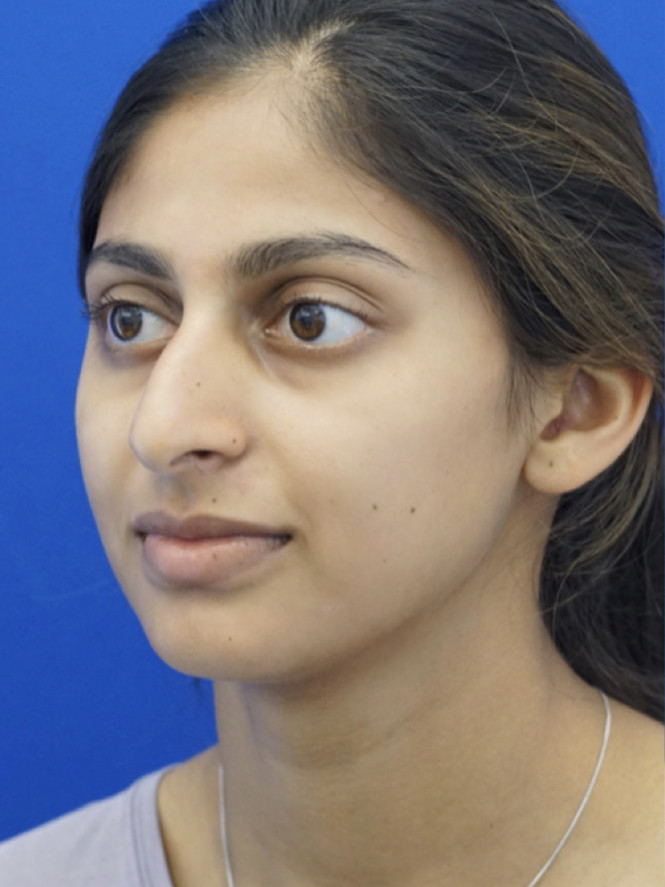
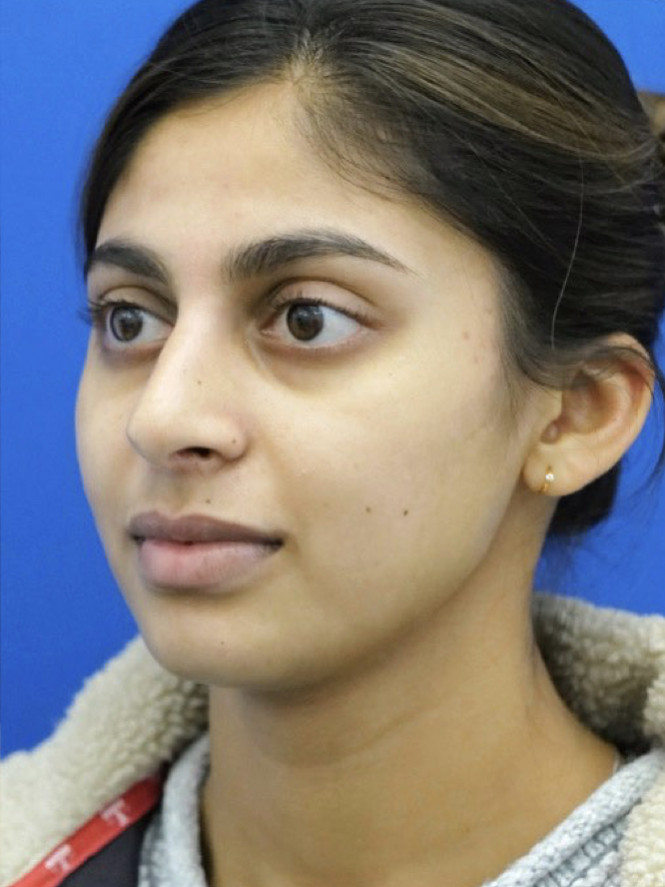
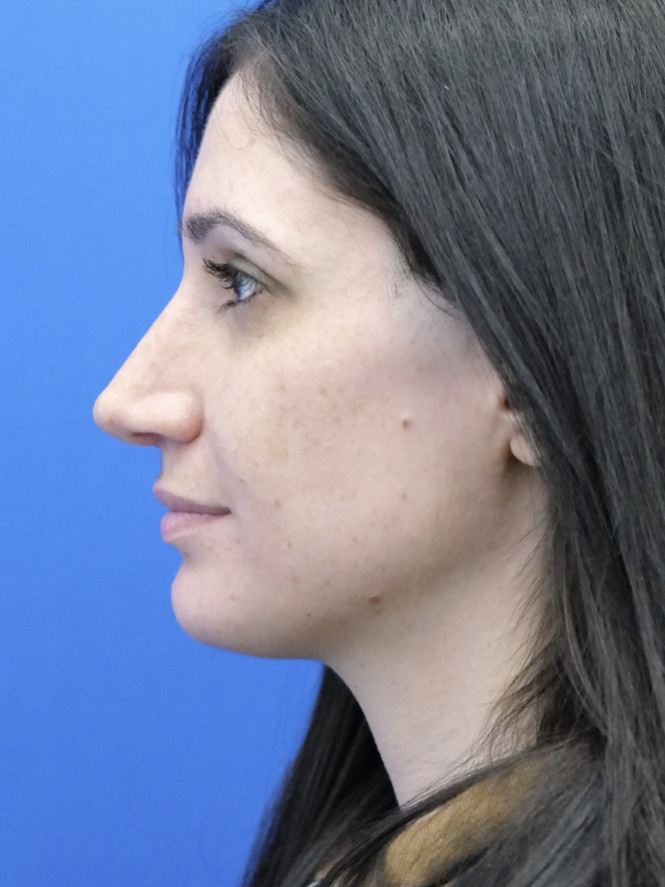
Oblique Left:

Rhinoplasty can refine nasal shape and proportion while also considering breathing and the relationship between the nose and surrounding facial features.

Illustrative image; not an actual patient. Visit our gallery to view real patient results. Individual results vary.
Rhinoplasty (nose surgery) is one of the most frequently performed plastic surgery procedures. During rhinoplasty, the nose is reshaped, reduced or augmented to improve its appearance. Rhinoplasty may be performed to correct a birth defect, or repair an injury such as a broken nose. It is also often performed strictly for cosmetic reasons.
For a patient with ongoing sinusitis, rhinoplasty is sometimes performed in conjunction with endoscopic sinus surgery; for a patient with a deviated septum, it is often performed along with septoplasty, a procedure that corrects a deviated septum. In such cases, rhinoplasty effectively treats health and breathing problems, in addition to improving the patient's appearance.*
Call (203) 907-0501 today to schedule a personalized rhinoplasty consultation with Dr. Johnny Mao!
Candidates for rhinoplasty have finished their facial growth. Girls should typically be at least 15 or 16 years old; boys should be at least 17 or 18. Patients considering rhinoplasty should be in overall good health and not smoke. It is important that candidates have realistic expectations about what rhinoplasty can do. Although undergoing rhinoplasty may boost self-confidence, it should not be viewed as a cure-all for personality or relationship issues, and should not be the result of social pressure.
There are several goals of rhinoplasty; they include facilitating breathing as well as improving appearance. During rhinoplasty, the surgeon may attempt to do one or more of the following:
Rhinoplasty can involve modifying bone, skin or cartilage, or all three.
Rhinoplasty, which takes from 1 to 3 hours, is usually an outpatient procedure performed under IV sedation or general anesthesia. Two techniques are typically used. In closed rhinoplasty, incisions are made within the nostrils. In open rhinoplasty, an incision is made across the columella, the tissue between the nostrils. With both methods, the soft tissues covering the nose are gently lifted, and the bone and cartilage are sculpted to the desired shape. In selected patients when only minor tip adjustments or nostril alar base modification is desired, this procedure can be performed safely under local anesthesia in the office setting.
If additional cartilage is needed to augment the nose, it is frequently taken from the patient's nasal septum. If larger sections of tissue are required, cartilage may be surgically removed from the ear or other parts of the body as well. If the patient has a deviated septum, the septum and inner structures of the nose are adjusted to improve breathing. The tissues are then redraped and stitched closed. If necessary, nostrils are reshaped in the final stage of rhinoplasty.
Immediately after surgery, the patient's nose and eye area are usually bruised and swollen. Splints and nasal packing remain in the nose for a few days. During this period, the patient may experience some nasal pain or a dull headache, as well as some bleeding and drainage from the nose. Most patients feel like themselves within a few days and are able to return to regular activities in about a week.*
To increase comfort, and decrease bleeding and swelling, rhinoplasty patients are advised to follow these post-surgical directives:
Although the patient usually looks "normal" a week or two after surgery, minimal swelling may be present for as much as a year, and in revision or thick nasal skin patients the swelling may persist up to a year and a half.*
Here the patient is pictured 3 months post-op.
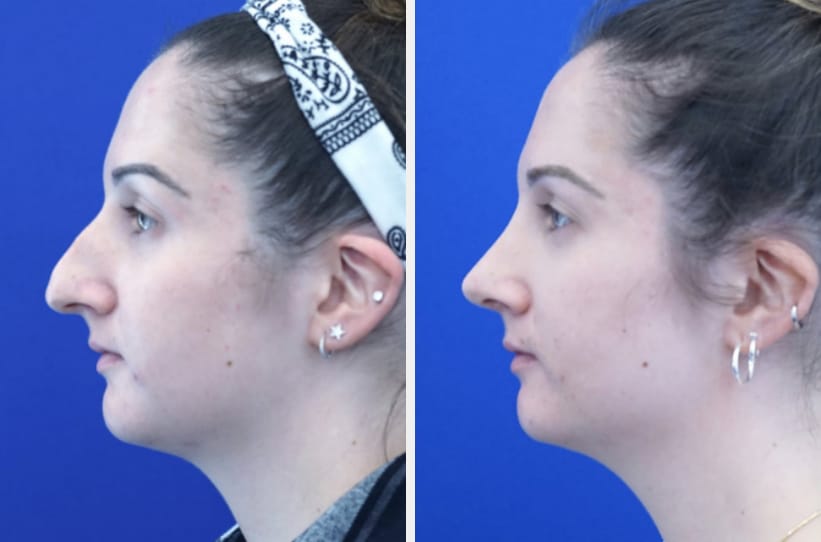
Complications associated with rhinoplasty are rare and, when they occur, usually minor. Surgical risks in general include infection or adverse reaction to anesthesia. In the case of rhinoplasty, specific risks include the following:
It is possible that a patient is not satisfied with the results of the rhinoplasty. In such a case, a second surgery, called a revision rhinoplasty, may be performed at a later date.
*Individual results may vary.
Rhinoplasty is a surgical procedure that alters the shape of the nose for either cosmetic reasons or to improve breathing. Each procedure is tailored to the individual's facial structure and desired outcome, ensuring a natural look for all of our patients. As board-certified facial plastic surgeon, Mao Facial Plastic Surgery is proud to assist those throughout Connecticut with their nose reshaping needs.
Interested in learning more about nose surgery and whether you are a candidate for treatment? Call (203) 907-0501 today or fill out the form in our contact page to schedule a personalized appointment with Dr. Mao and his experienced office staff. Our practice is proud to meet the cosmetic surgical needs of patients throughout Branford, Cheshire, East Haven, Fairfield, Milford, North Haven, Orange, Shelton, Southport, Weston, Westport, Wilton, Woodbridge, New Canaan, Darien, CT, and the surrounding communities.
Case 6006 · Profile Enhancement. Individual results vary.
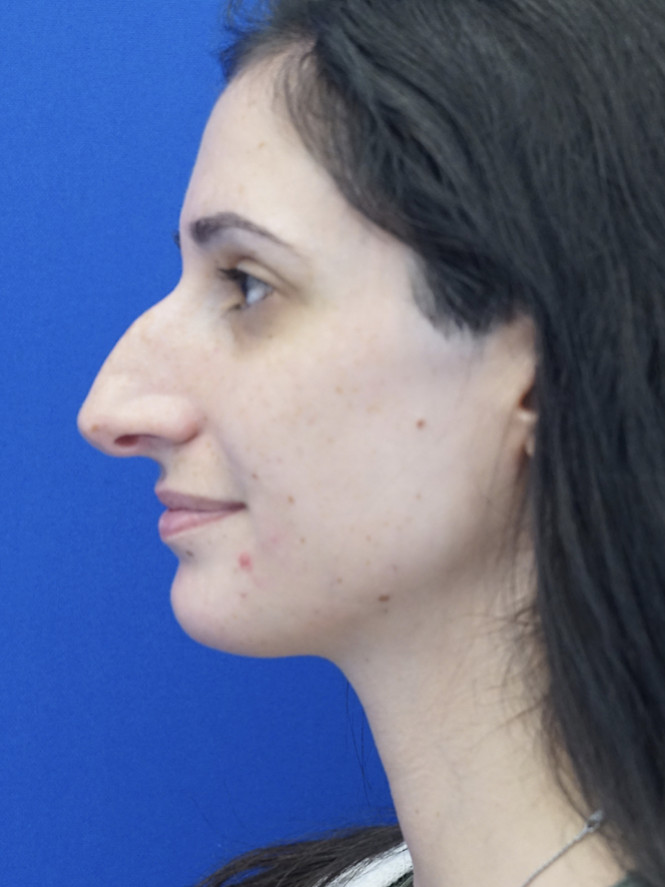
Meet with Dr. Johnny Mao to discuss your concerns, goals, and available options.
Request a ConsultationExplore published patient cases related to this treatment at Mao Facial Plastic Surgery. Some cases include multiple procedures; the original case titles and details are retained. Individual results vary.
Patient case · Rhinoplasty External
View all case photos →Oblique Left:
Patient case · Rhinoplasty External
View all case photos →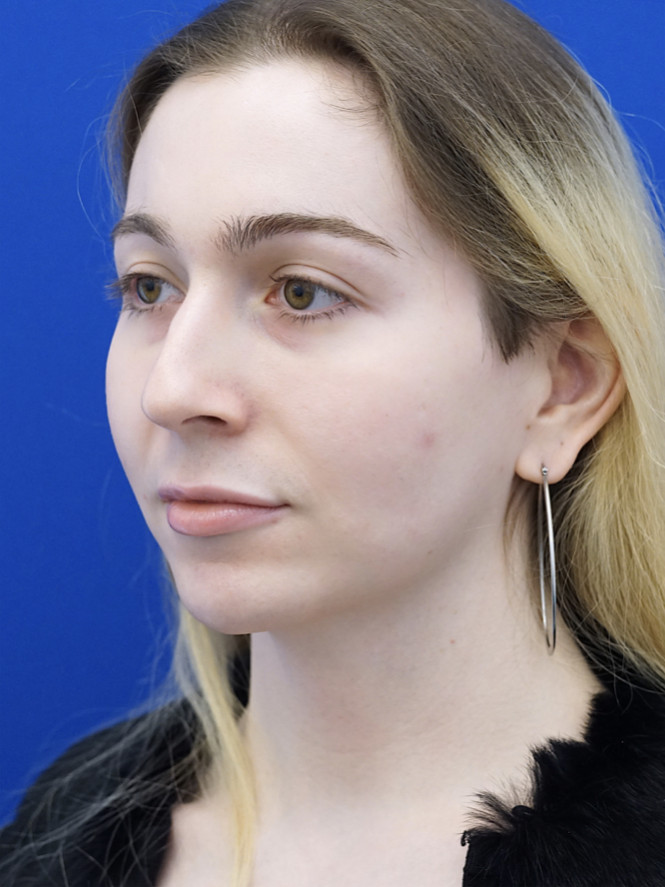
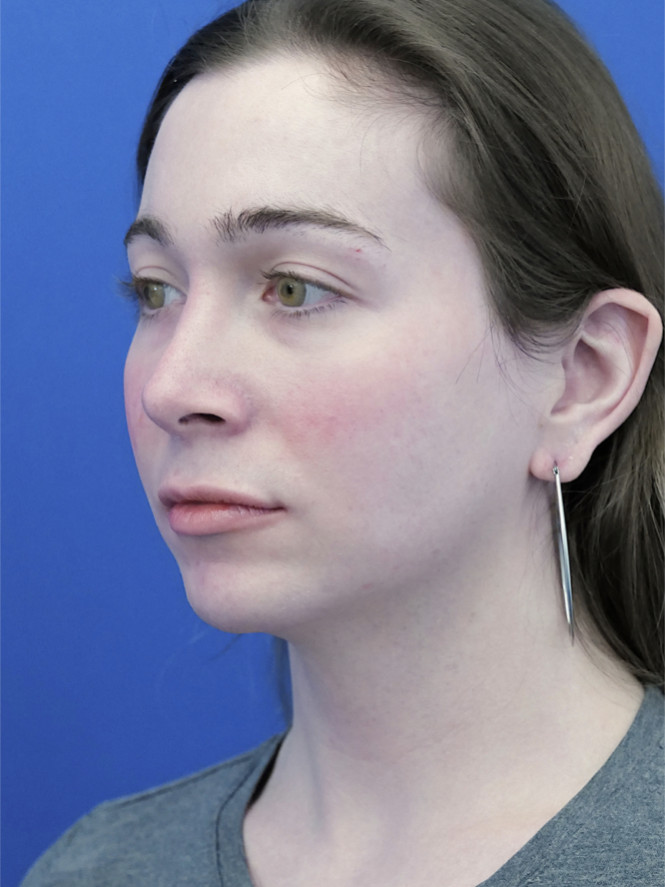
Oblique Left:
Patient case · Rhinoplasty Endonasal
View all case photos →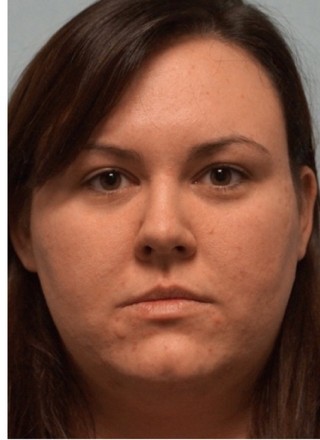
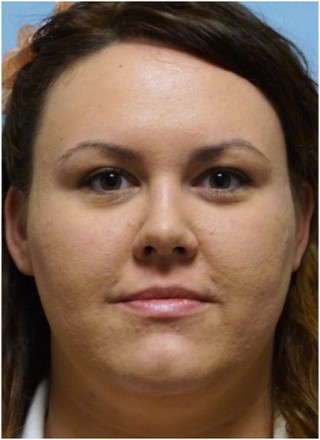
Front: *Individual results may vary.
Patient case · Rhinoplasty Endonasal
View all case photos →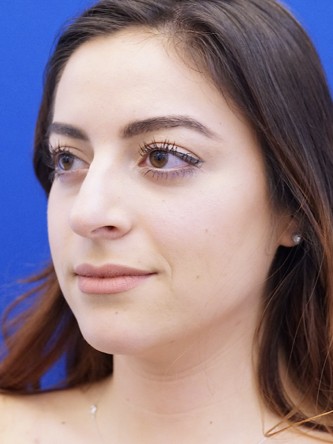
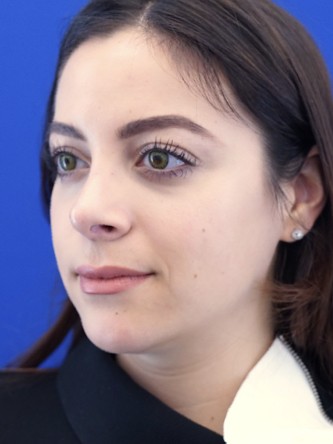
Oblique Left: *Individual results may vary.
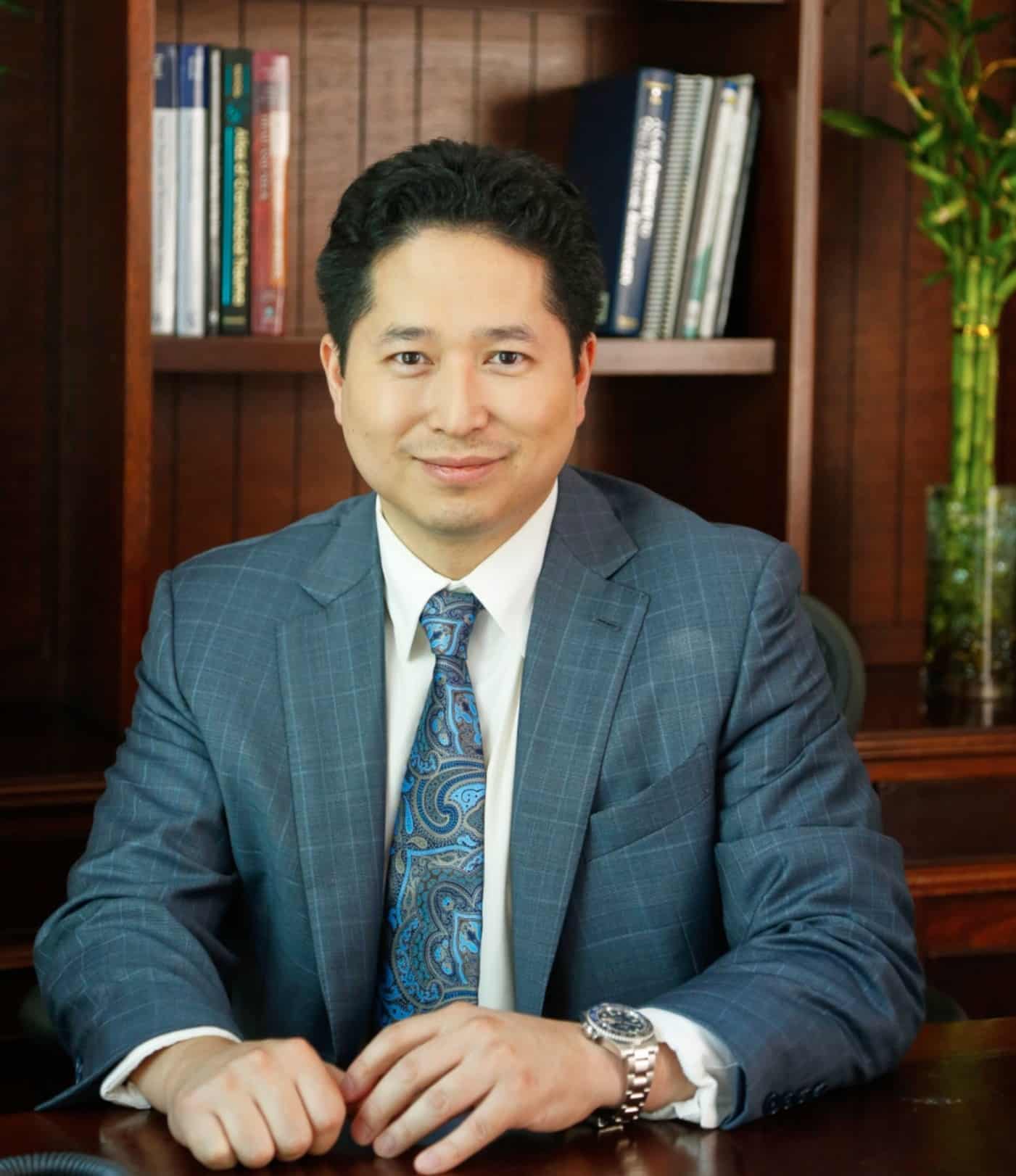
Get to know the surgeon behind Mao Facial Plastic Surgery.
Dr. Johnny Mao’s practice focuses on facial plastic and reconstructive surgery, with surgical and non-surgical options tailored to individual concerns. A consultation is the opportunity to discuss your features, your goals, and the care that may be appropriate for you.
Visit our Orange office to ask questions about treatment options, recovery, and follow-up, and learn more about Dr. Mao’s background and approach to care.
Treatment recommendations based on your anatomy, concerns, and desired outcome — never a one-size-fits-all approach.
Results designed to look natural and harmonious with your existing features rather than overdone.
Clear communication and support before, during, and after treatment so you always know what to expect.
Discuss your concerns and goals in a private, unhurried setting and learn about your options.
Receive a recommended treatment plan with realistic expectations and a clear timeline.
Our team is available throughout your recovery with follow-up visits and guidance.
Explore other options as part of an individualized treatment discussion.
Injectables, fillers, and laser treatments remain available for patients exploring non-surgical care. Your consultation can help clarify which options fit your goals.
Explore Non-Surgical Options/// FIND THE RIGHT INJECTABLE FOR YOU
Welcoming patients from Branford, Cheshire, East Haven, Fairfield, Milford, North Haven, Orange, Shelton, Southport, Weston, Westport, Wilton, Woodbridge, New Canaan, Darien, and surrounding Connecticut communities.
Mao Facial Plastic Surgery 200 S Orange Center Rd
Meet with Dr. Johnny Mao to discuss your aesthetic goals and available facial rejuvenation options.
Request a Consultation Call (203) 907-0501