Upper Eyelid Droop2*
Patient case · Blepharoplasty Ptosis Repair
View all case photos →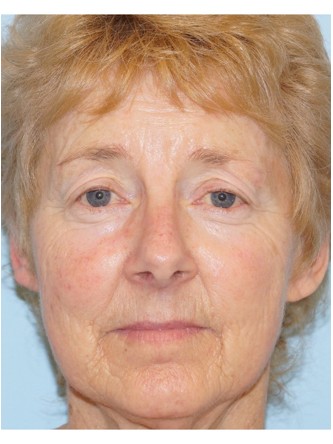
Front: Normal repose view - *Individual results may vary.

Assess eyelid position and function.
Ptosis is drooping of the upper eyelid. An examination is important to identify the cause and decide whether treatment is appropriate; eyelid position and vision are considered together.

Ptosis is the drooping of the upper eyelid. Although ptosis is usually the result of aging, it sometimes develops after eye surgery or injury. Sometimes the condition is congenital. Because ptosis may be present due to serious causes, patients with this disorder should be checked by a medical professional to determine whether treatment is necessary and, if so, what kind.
Typically, ptosis results from a weakening in the muscle responsible for raising the eyelid, or from damage to the nerves that control the muscle. In some cases, ptosis is simply caused by loose skin on the upper eyelid. Sometimes, however, the reason for ptosis is more troubling. In addition to the possibility of its being congenital, or the result of injury or surgery, ptosis may be caused by the following:
In rare instances, ptosis can be caused by a brain tumor that affects the reactions of muscles or nerves.
In addition to the drooping of one or both eyelids, symptoms of ptosis include the following:
Since ptosis caused by aging is usually gradual, a sudden onset of symptoms is greater cause for concern.
Ptosis is typically diagnosed by an ophthalmologist, who can also frequently determine its cause. The ophthalmologist tests for visual acuity, and may perform a visual-field test, a slit-lamp examination and, possibly, a tension test.
If there is a suspicion of an underlying systemic disease, the patient will be referred to an internist or other physician for further evaluation.
Patients may seek treatment for droopy eyelids for cosmetic or medical purposes. Severe drooping obstructs vision. If ptosis interferes with a patient's vision, a blepharoplasty is performed to eliminate the drooping. Many young patients with mild-to-moderate ptosis should be examined regularly to check for other vision problems, including amblyopia, refractive errors and muscular diseases.
Individual results and recovery vary. Your consultation provides guidance specific to your needs.
Request a ConsultationExplore published patient cases related to this treatment at Mao Facial Plastic Surgery. Some cases include multiple procedures; the original case titles and details are retained. Individual results vary.
Patient case · Blepharoplasty Ptosis Repair
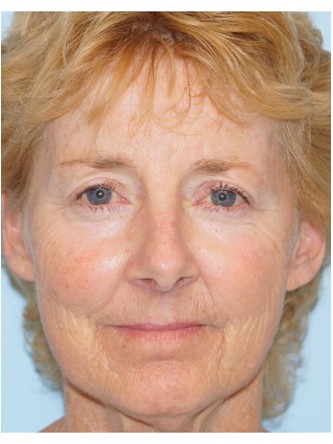
View all case photos →Front: Normal repose view - *Individual results may vary.
Patient case · Blepharoplasty Ptosis Repair
View all case photos →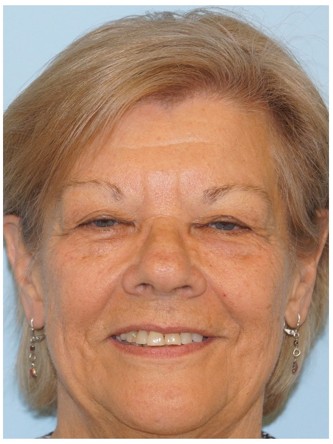
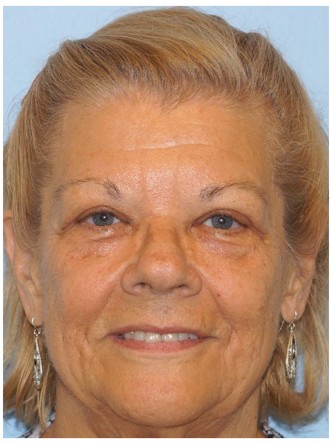
Front: Smiling view - *Individual results may vary.

Get to know the surgeon behind Mao Facial Plastic Surgery.
Dr. Johnny Mao’s practice focuses on facial plastic and reconstructive surgery, with surgical and non-surgical options tailored to individual concerns. A consultation is the opportunity to discuss your features, your goals, and the care that may be appropriate for you.
Visit our Orange office to ask questions about treatment options, recovery, and follow-up, and learn more about Dr. Mao’s background and approach to care.
Treatment recommendations based on your anatomy, concerns, and desired outcome — never a one-size-fits-all approach.
Results designed to look natural and harmonious with your existing features rather than overdone.
Clear communication and support before, during, and after treatment so you always know what to expect.
Discuss your concerns and goals in a private, unhurried setting and learn about your options.
Receive a recommended treatment plan with realistic expectations and a clear timeline.
Our team is available throughout your recovery with follow-up visits and guidance.
Explore other options as part of an individualized treatment discussion.
Injectables, fillers, and laser treatments remain available for patients exploring non-surgical care. Your consultation can help clarify which options fit your goals.
Explore Non-Surgical Options/// FIND THE RIGHT INJECTABLE FOR YOU



Welcoming patients from Branford, Cheshire, East Haven, Fairfield, Milford, North Haven, Orange, Shelton, Southport, Weston, Westport, Wilton, Woodbridge, New Canaan, Darien, and surrounding Connecticut communities.
Mao Facial Plastic Surgery 200 S Orange Center Rd
Meet with Dr. Johnny Mao to discuss your aesthetic goals and available facial rejuvenation options.
Request a Consultation Call (203) 907-0501