Rhinoplasty
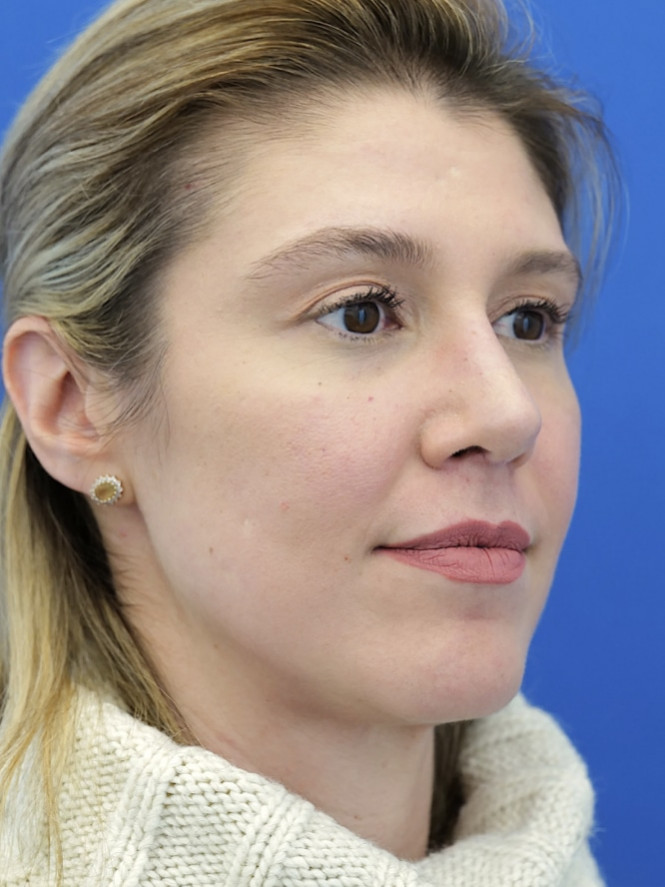
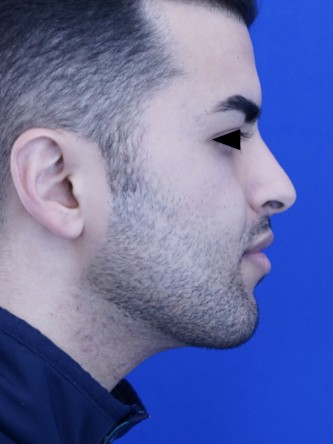
Case 6903 · Dorsal Hump and Finesse Tip
View case details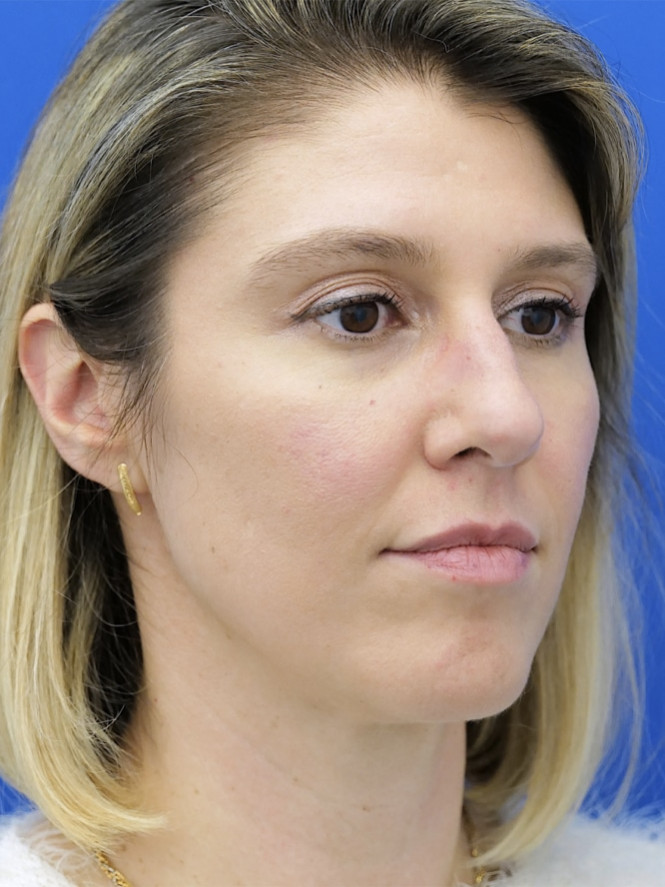

Recovering from tension nose surgery can feel daunting, but understanding the process can ease your concerns. In this guide, we’ll walk you through what to expect during each stage of recovery, from the immediate post-surgery phase to your return to daily activities.

It’s important to know what tension nose surgery entails, including the techniques used and the expected outcomes.
Tension nose surgery is designed to enhance nasal structure, breathing, and aesthetics. By understanding what happens during this procedure, patients can feel more at ease with their choices. This surgery often involves adjusting the bone and cartilage to reshape the nose, which can create a more balanced and harmonious look.
Recognizing the goals of your surgery will help set realistic expectations. While every patient is unique, the results are ultimately aimed at improving both function and appearance, potentially increasing overall satisfaction.
Learn about the first hours after surgery, including pain management, and how to care for your nose.
After your tension nose surgery, the immediate focus is on your recovery. You’ll likely be monitored in a recovery area for a few hours, where medical staff will ensure you’re stable and comfortable.
Pain management is crucial during this period. It’s normal to feel some discomfort, but your healthcare team will provide pain relief options to keep you comfortable. Remember to communicate your pain levels openly—this will help your team assist you effectively.
Caring for your nose immediately post-surgery involves avoiding pressure on the area. Keep your head elevated, and be sure to follow specific instructions regarding any dressing or splint your surgeon may place. These first few hours set the tone for your recovery journey.
Discover the key things to focus on during the first week, such as rest, ice packs, and hydration.
The first week after your surgery is critical for healing. Prioritize rest during this time, as your body needs energy to recover. This might mean getting plenty of sleep and reclining with your head elevated to minimize swelling.
Using ice packs can significantly help reduce swelling around your nose. Just make sure to wrap them in a cloth to avoid direct contact with your skin. Apply them for 15-20 minutes at a time, especially in the first 48 hours.
Hydration is key during recovery. Drink plenty of water and avoid salty foods, which can lead to dehydration and prolonged swelling. A well-balanced diet will also support your body in healing properly.
Understand what types of discomfort you might experience and effective strategies to alleviate it.
Experiencing discomfort after tension nose surgery is typical, but knowing what to expect can help ease your concerns. You might feel swelling, bruising, or a sensation of pressure. These are all part of the body’s healing process.
To manage discomfort, follow your doctor’s prescribed pain relief regimen. Using over-the-counter medications like acetaminophen can also be effective, but always check with your doctor before starting any new medication.
Breathing through your mouth for the first few days can help avoid discomfort in the nose, especially if you experience nasal congestion. Stay relaxed and take deep, slow breaths—this can help you cope with the sensation of tightness in the area.
It’s vital to know the signs that indicate you should reach out to your healthcare provider post-surgery.
Recognizing when to contact your doctor post-surgery can prevent complications. If you experience sudden or excessive bleeding that doesn’t stop, call your surgeon immediately. This is crucial and shouldn’t be delayed.
Other signs to watch for include a fever over 101 degrees Fahrenheit, unusual redness, or signs of infection around the surgical site. Trust your instincts—if something doesn’t seem right, don’t hesitate to reach out for guidance.
Get tips on when and how to gradually return to your normal routine, including exercise and socializing.
Returning to your normal routine after tension nose surgery is a gradual process. Initially, you need to observe your body and adhere to your doctor’s recommendations. Most people can return to low-impact activities within a week, but high-impact exercises should be avoided for at least a month.
Make sure to listen to your body—if you feel tired, give yourself permission to rest. Socializing can be beneficial but consider avoiding crowded places initially, so you can minimize the risk of infections.
Don’t rush back into everything at once! It’s essential that you ease yourself back into your routine to allow your body adequate time to heal properly.
Explore what to expect in the weeks and months after your surgery as your nose continues to heal.
As the weeks progress, you’ll notice significant changes as your nose continues to heal. Initially, swelling may persist, fluctuating in intensity. By the end of six weeks, however, much of the swelling will have subsided, allowing you to appreciate your new look.
Throughout the healing process, continue to follow up with your doctor for assessments. They’ll monitor your progress and help manage any long-term care strategies you might need.
Embrace the journey—patience is key. Every step of recovery adds to the conclusion, where your healing culminates in your final results, potentially enhancing both your function and appearance for years to come.
In summary, the recovery process after tension nose surgery is personal and varies from person to person. By following your surgeon’s advice, managing your pain, and being patient with your body, you’ll navigate recovery successfully.
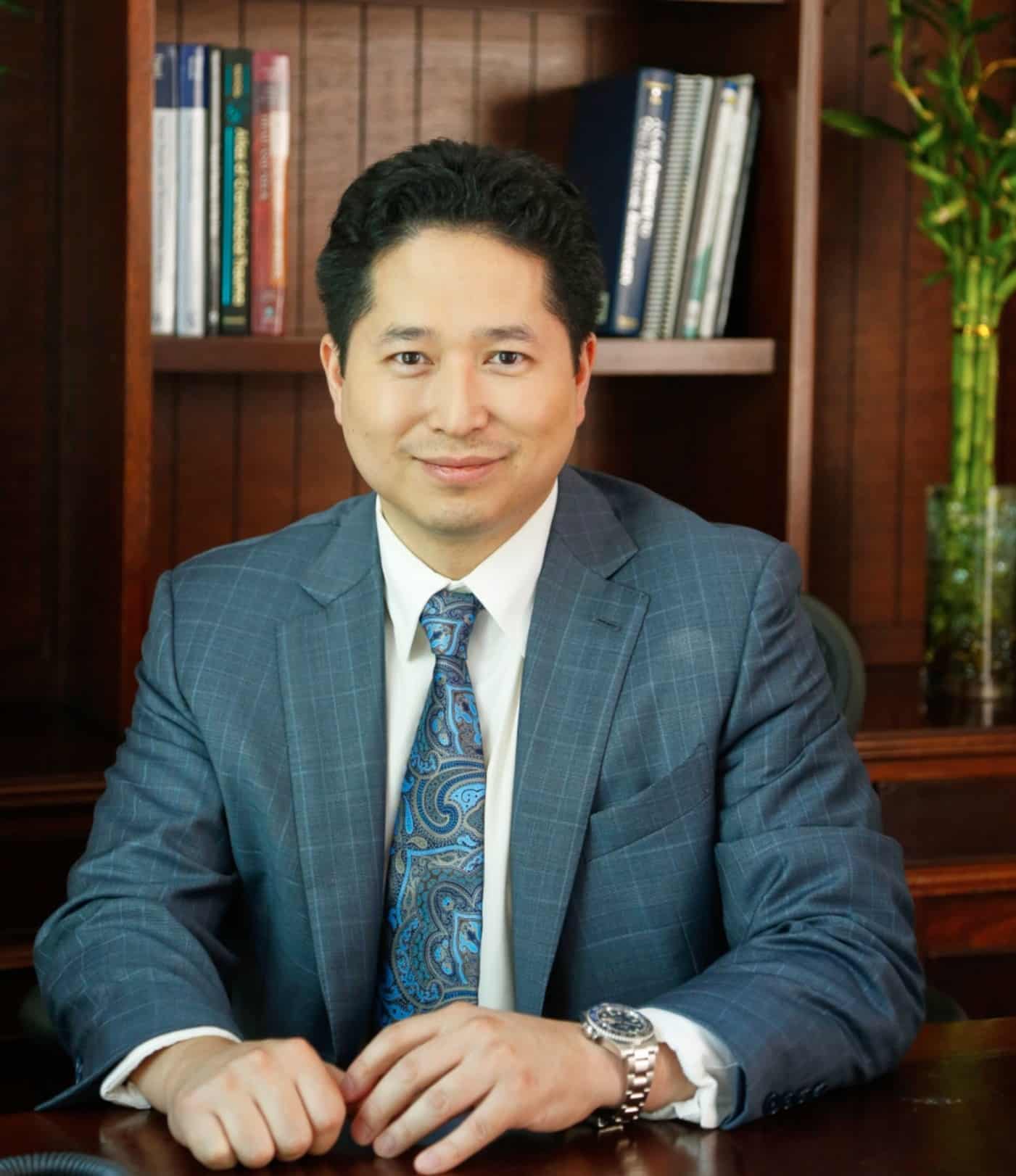
Get to know the surgeon behind Mao Facial Plastic Surgery.
Dr. Johnny Mao’s practice focuses on facial plastic and reconstructive surgery, with surgical and non-surgical options tailored to individual concerns. A consultation is the opportunity to discuss your features, your goals, and the care that may be appropriate for you.
Visit our Orange office to ask questions about treatment options, recovery, and follow-up, and learn more about Dr. Mao’s background and approach to care.
Treatment recommendations based on your anatomy, concerns, and desired outcome — never a one-size-fits-all approach.
Results designed to look natural and harmonious with your existing features rather than overdone.
Clear communication and support before, during, and after treatment so you always know what to expect.
Discuss your concerns and goals in a private, unhurried setting and learn about your options.
Receive a recommended treatment plan with realistic expectations and a clear timeline.
Our team is available throughout your recovery with follow-up visits and guidance.
Selected by Dr. Mao. Explore these featured transformations, then discover more patient results in our full gallery.
Showing 12 featured cases
A selection of Dr. Mao's patient results. Browse the full gallery for more before-and-after photos by procedure.
Case 6903 · Dorsal Hump and Finesse Tip
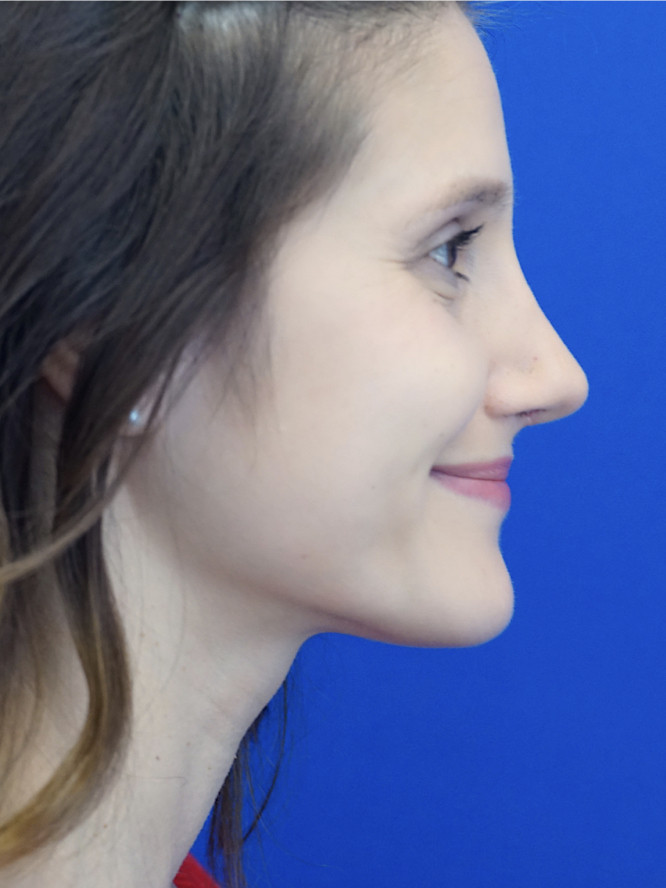
View case detailsCase 3291 · Nasal Profile Bliss
View case details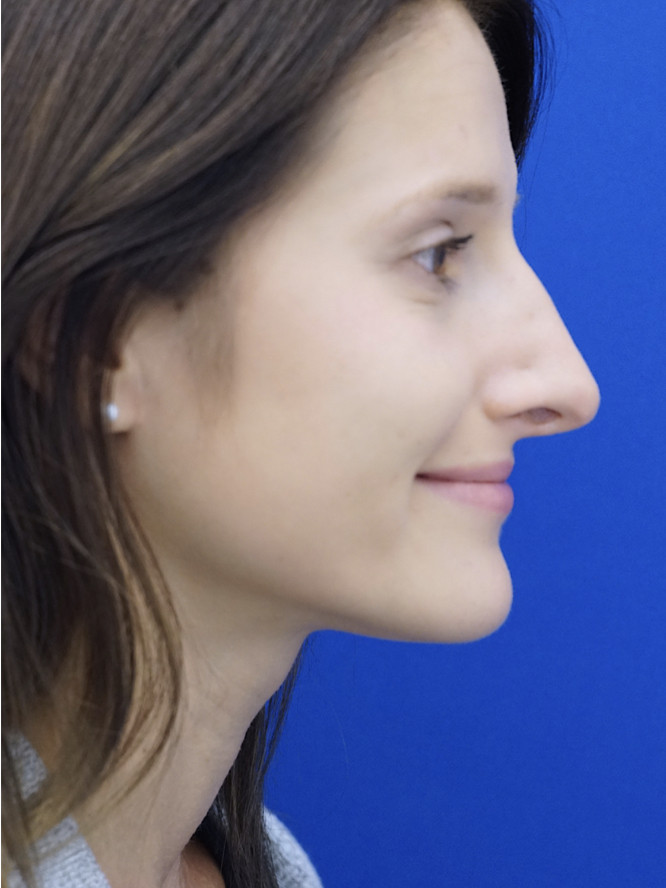
Case 6821 · Deep Plane Lower Facelift
View case details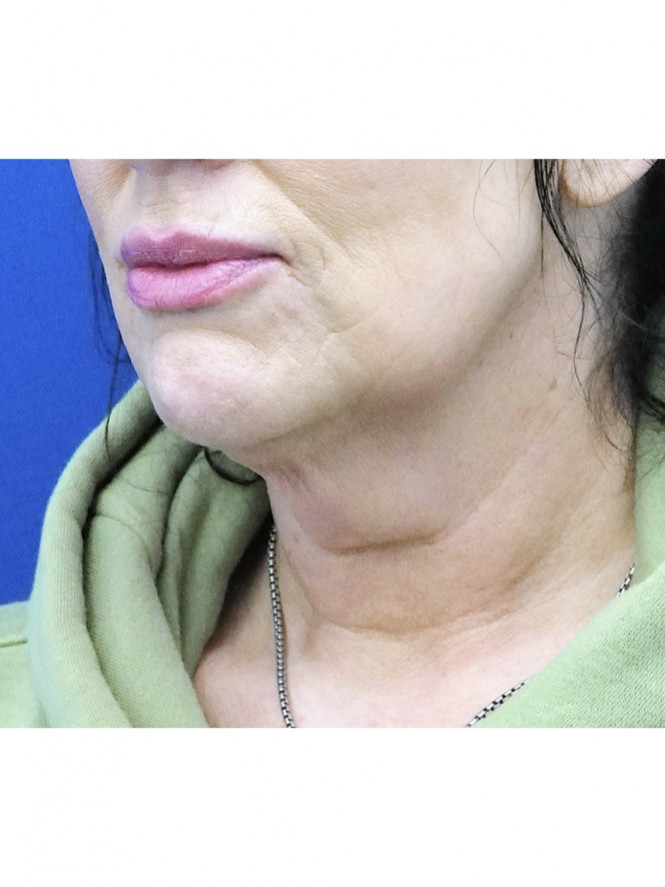
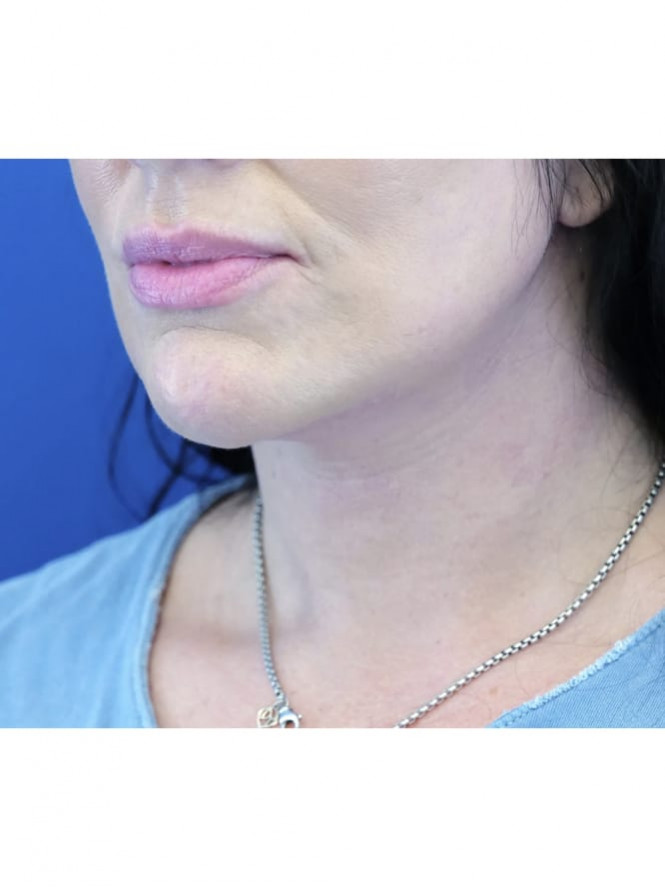
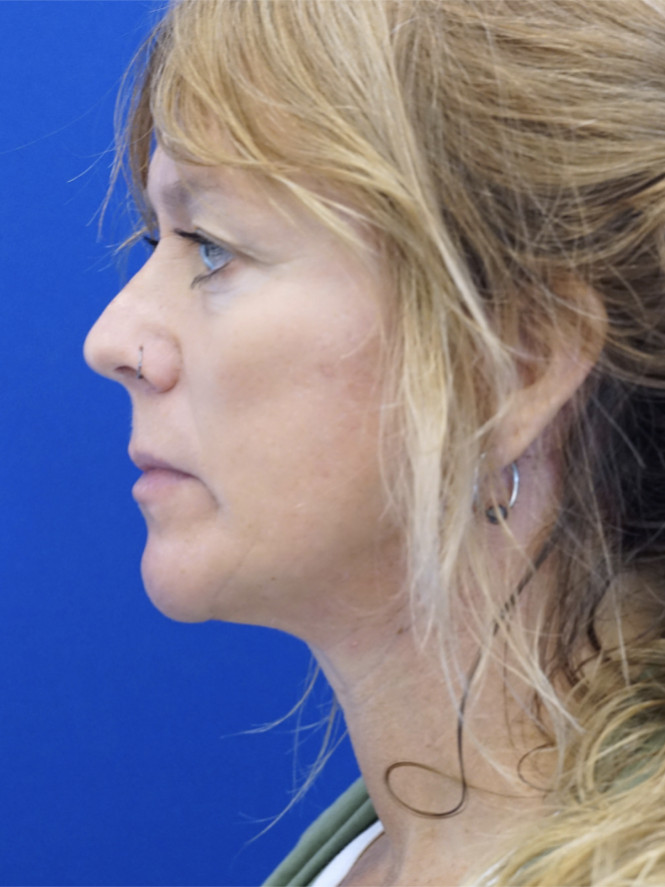
Case 5704 · Fantastic Facial Profile
View case details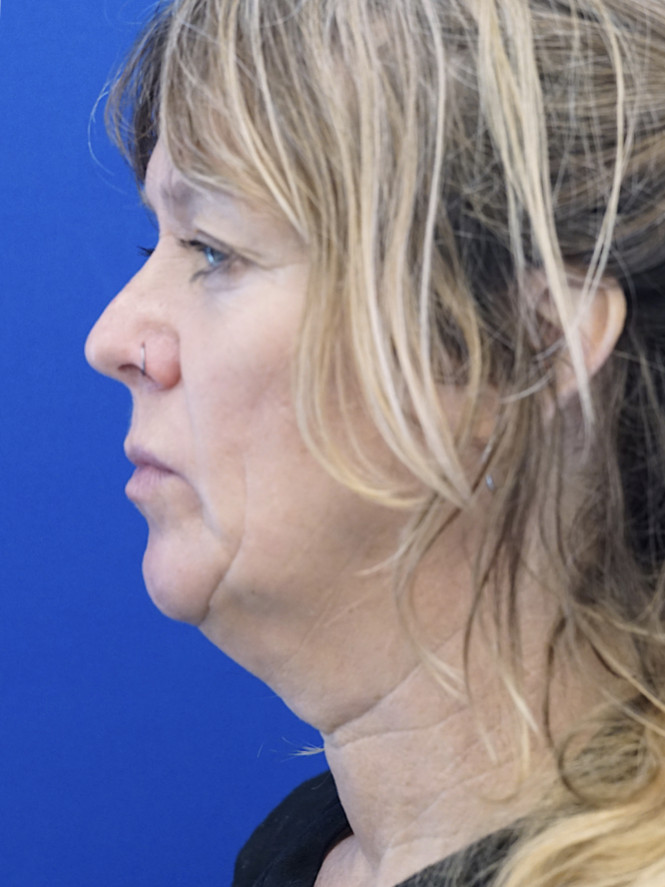
Case 7154 · Natural Result
View case details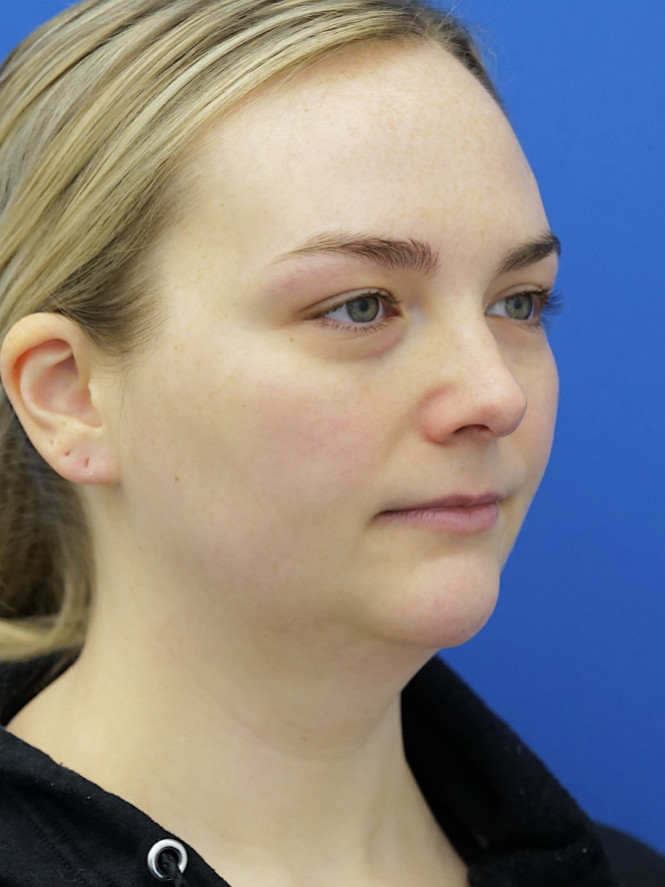
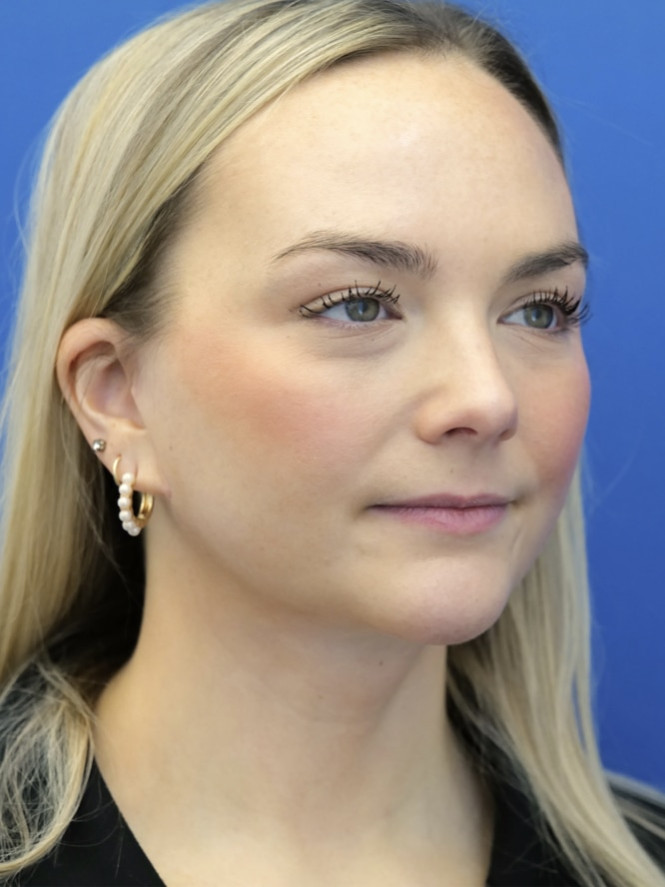
Case 6868 · Brow Fat Suspension
View case details
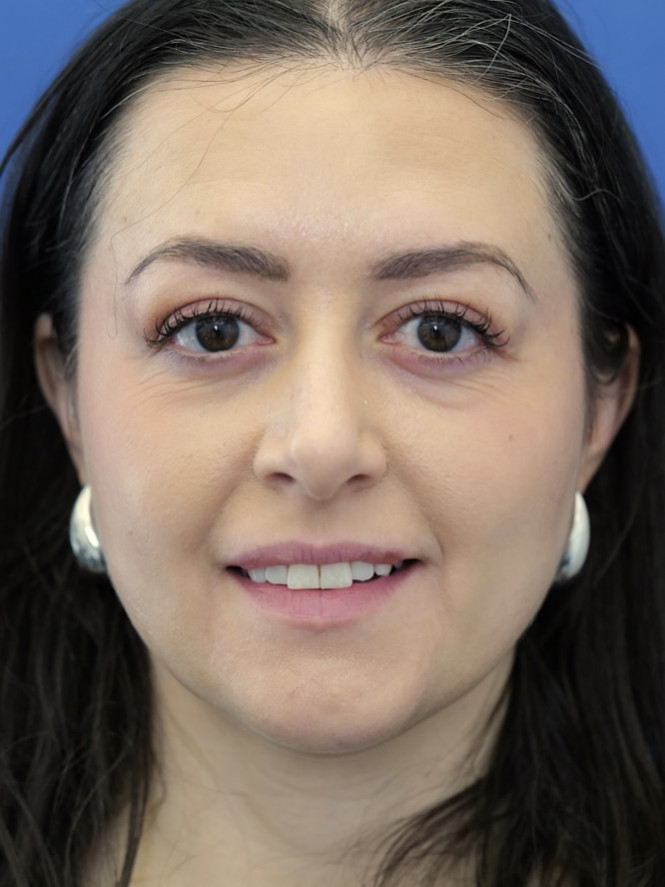
Case 7252 · Lower Lid Fat Reposition
View case details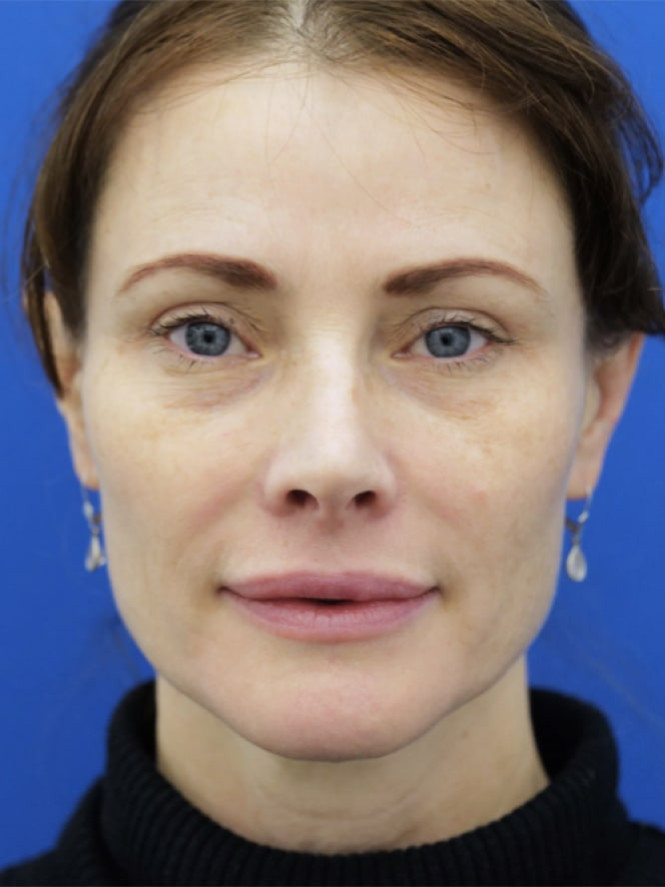
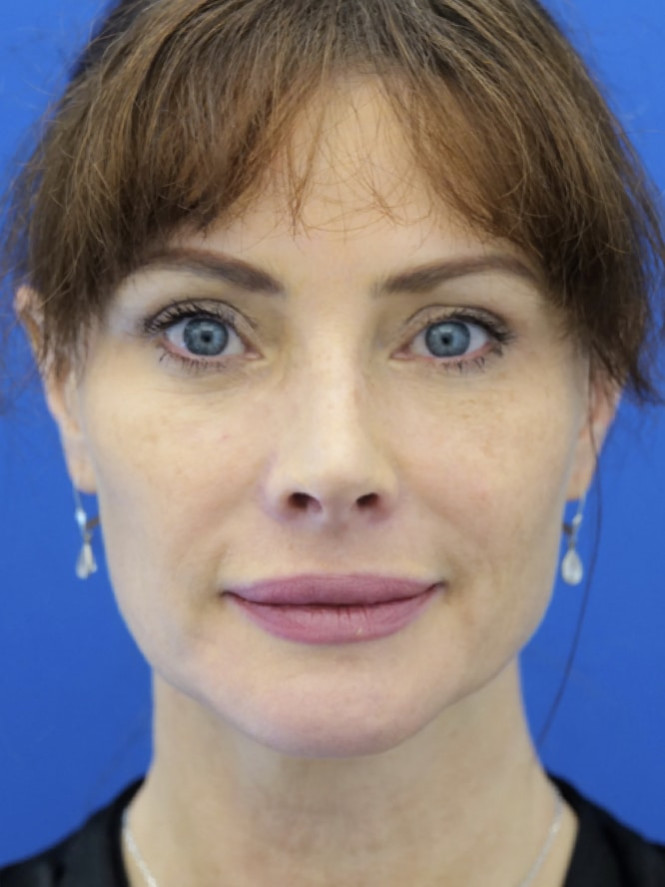
Case 6655 · Endoscopic Browlift, Quad Blepharoplasty
View case details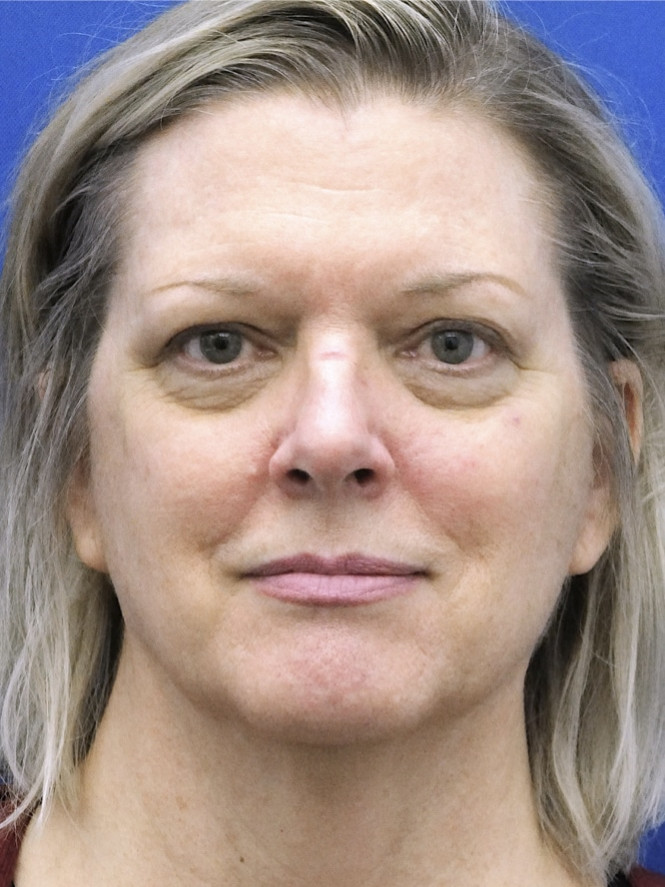
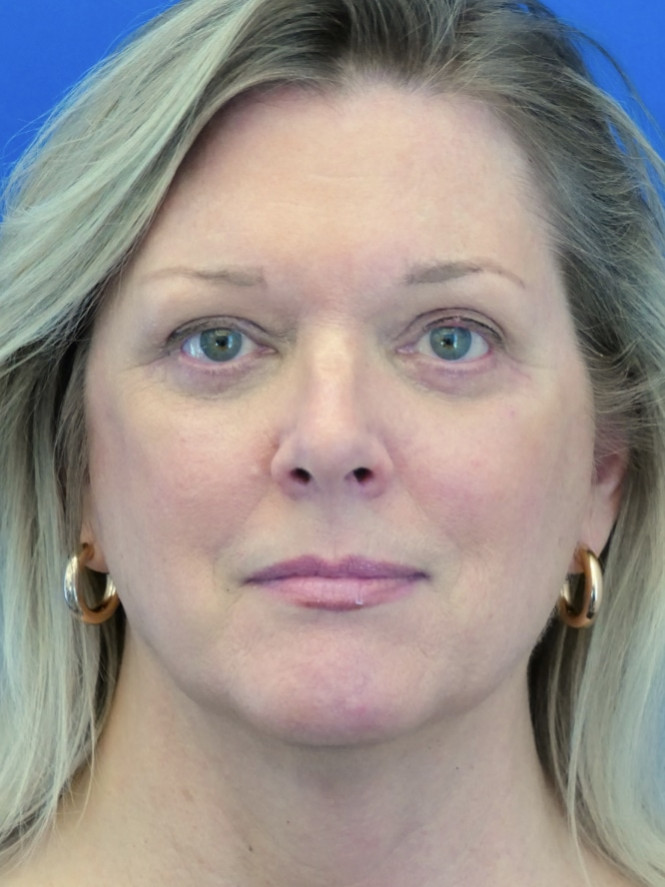
Case 2323 · Vertical Lengthening Chin*
View case details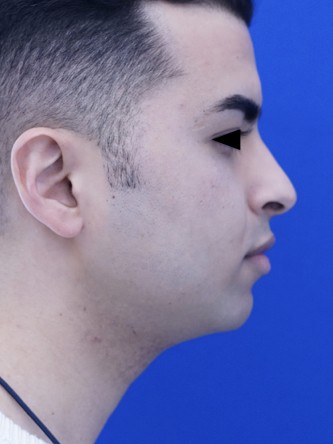
Case 6966 · Ridge Creation and Setback
View case details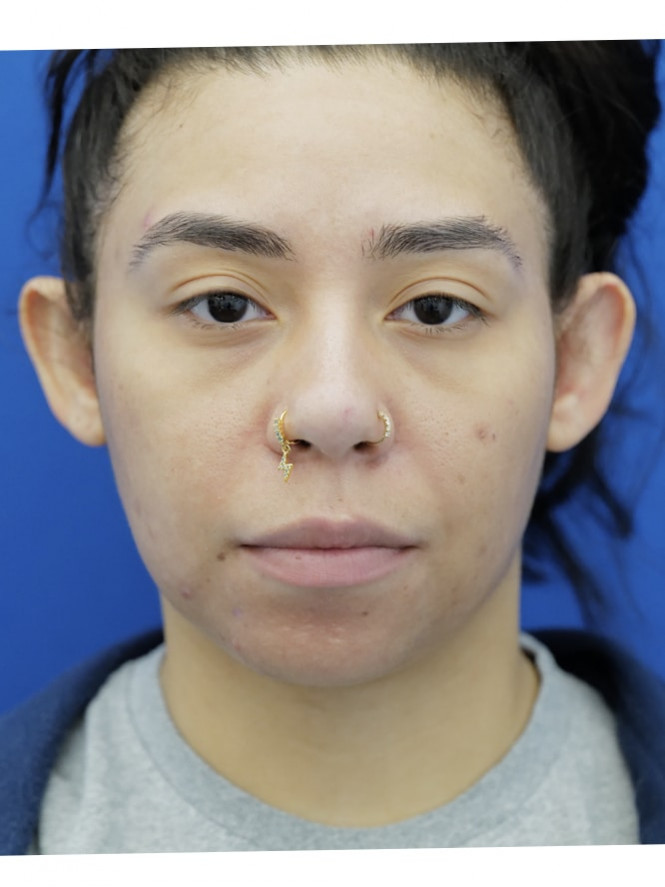
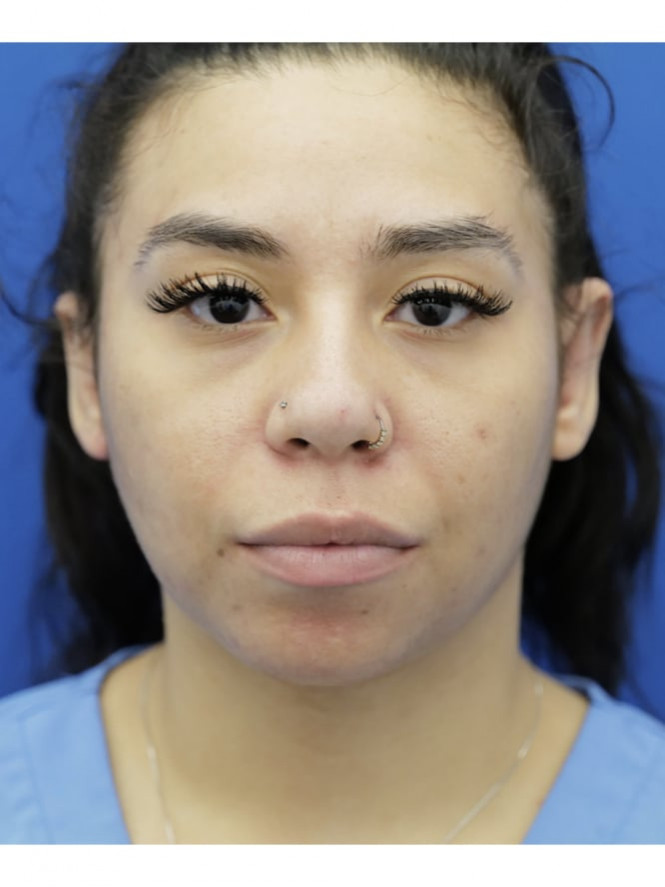
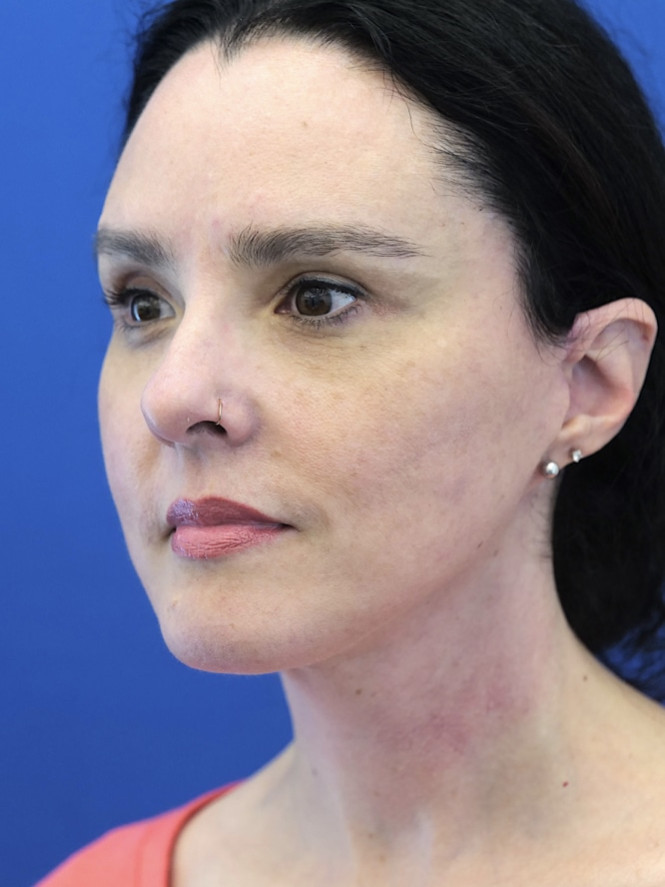
Case 7561 · Awesome Jawline
View case details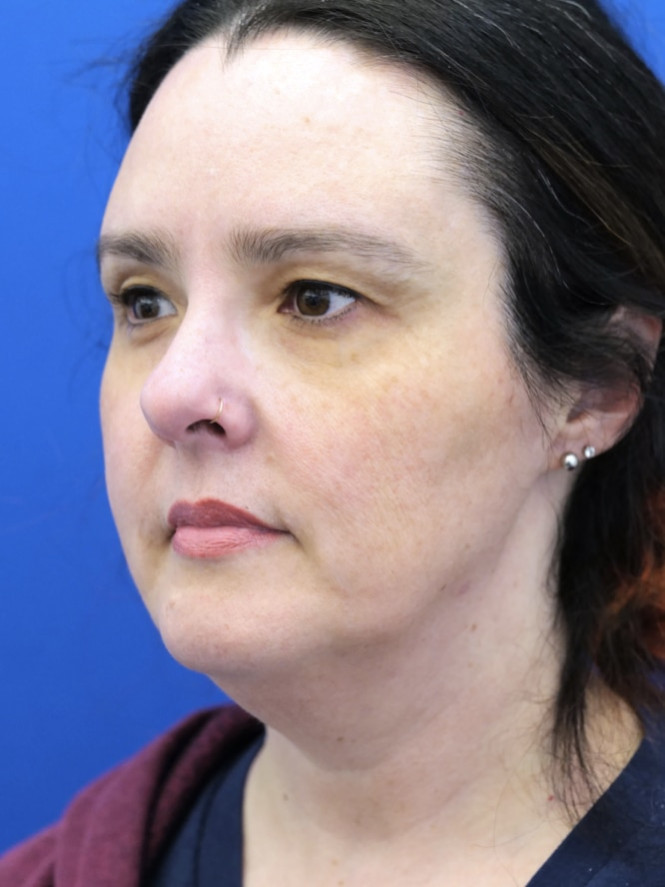
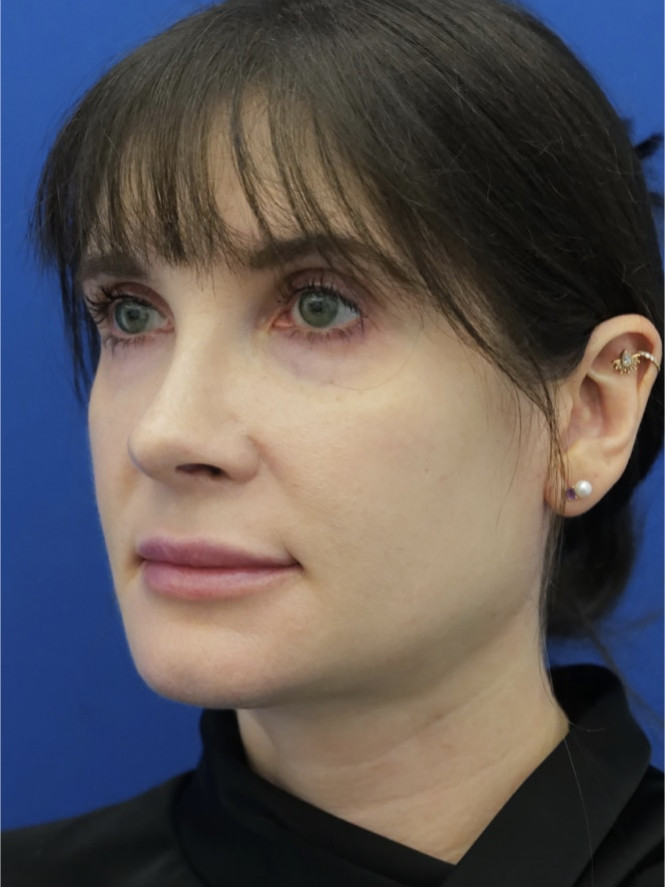
Case 7566 · Preserving Tip Surface Aesthetics
View case details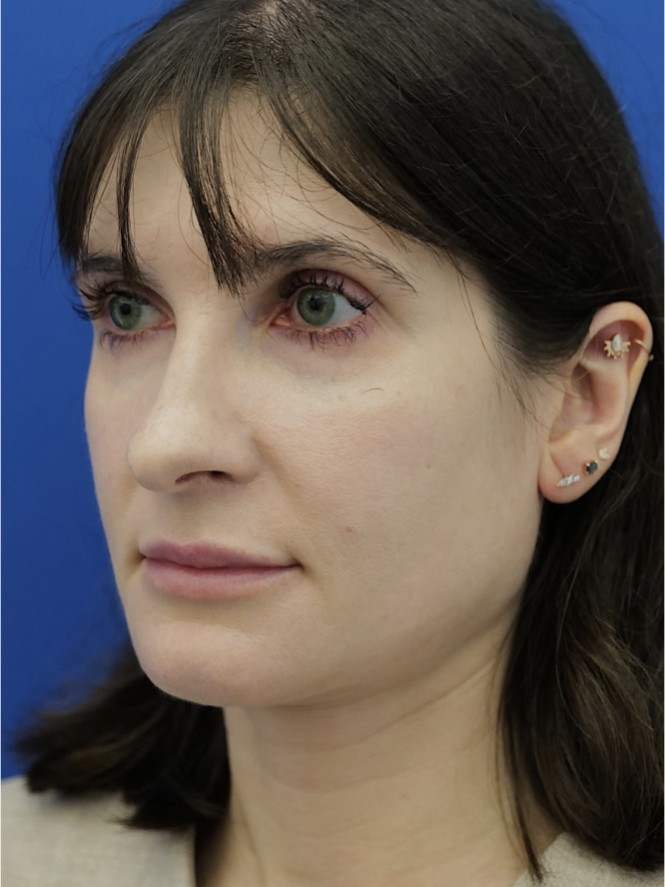
Individual results vary.
Explore other options as part of an individualized treatment discussion.
Injectables, fillers, and laser treatments remain available for patients exploring non-surgical care. Your consultation can help clarify which options fit your goals.
Explore Non-Surgical Options/// FIND THE RIGHT INJECTABLE FOR YOU



Read patient feedback published by the practice and on independent review platforms.
Patient feedback includes experiences with facelift, rhinoplasty, eyelid surgery, otoplasty, and revision procedures.
Read practice testimonialsPublished feedback also covers injectable treatments, liquid rhinoplasty, BOTOX®, fillers, and laser services.
Read practice testimonialsVisit Dr. Mao's RealSelf profile for additional patient reviews and procedure information.
View RealSelf reviewsWelcoming patients from Branford, Cheshire, East Haven, Fairfield, Milford, North Haven, Orange, Shelton, Southport, Weston, Westport, Wilton, Woodbridge, New Canaan, Darien, and surrounding Connecticut communities.
Mao Facial Plastic Surgery 200 S Orange Center Rd
Meet with Dr. Johnny Mao to discuss your aesthetic goals and available facial rejuvenation options.
Request a Consultation Call (203) 907-0501