Rhinoplasty
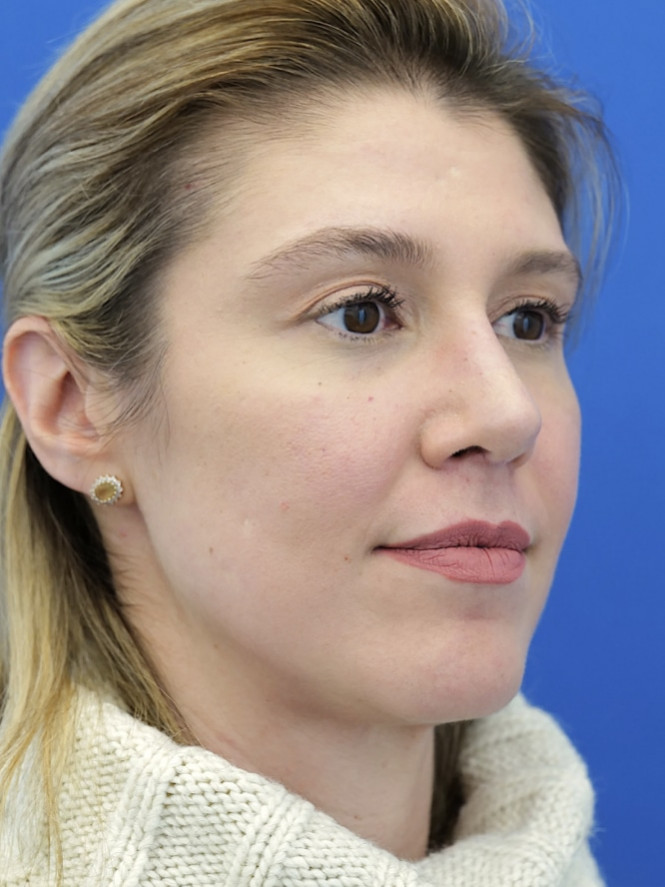
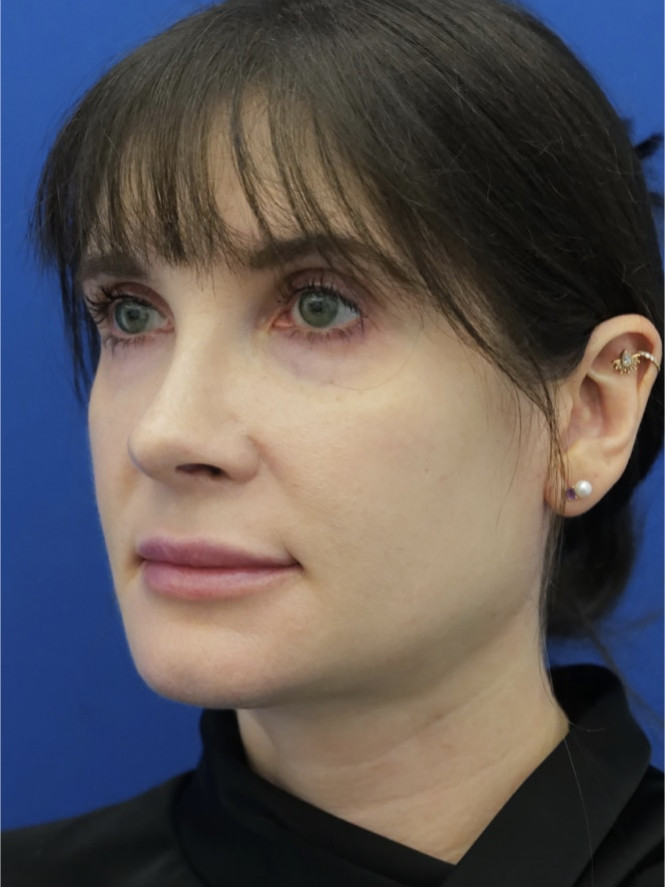
Case 6903 · Dorsal Hump and Finesse Tip
View case details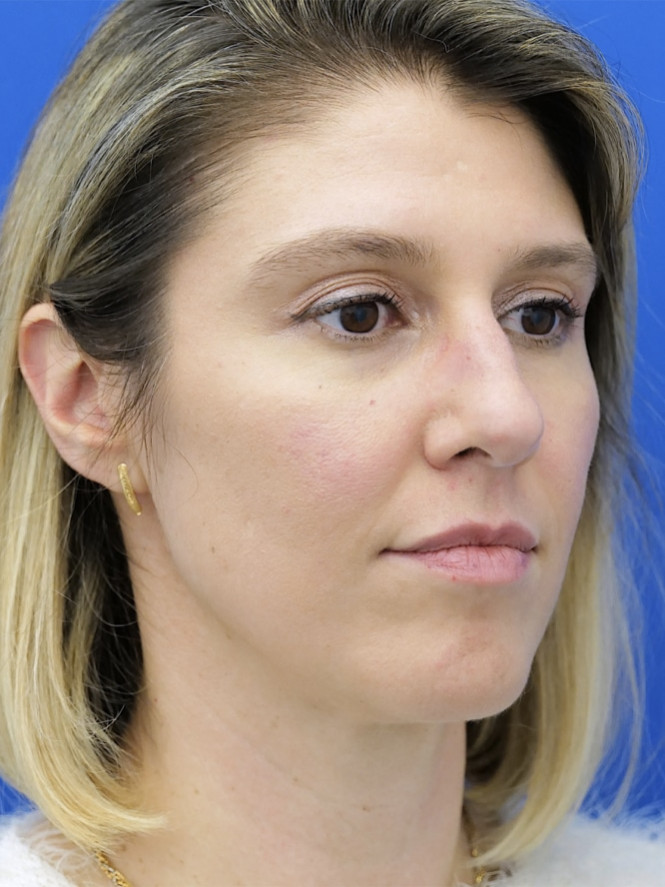

Rhinoplasty, commonly known as a nose job, is a surgical procedure that reshapes the nose for aesthetic or functional reasons. However, many patients express concern about experiencing tension in the nose during the recovery process. In this blog, we’ll explore the various causes of tension in the nose during rhinoplasty and what you can do to manage it effectively.
Before exploring tension causes, it’s crucial to understand the basics of rhinoplasty and the nasal anatomy involved in the procedure.
Rhinoplasty alters the size and shape of the nose, and its success relies on a comprehensive understanding of nasal structures, including bone, cartilage, and skin.
Being aware of how these components interact can demystify the surgical techniques used and help patients grasp why certain sensations, like tension, may occur during recovery.
Moreover, our noses are complex organs allowing us to breathe and smell, so any manipulation can understandably introduce some discomfort, including tension.
Factors such as swelling, surgical manipulation, and tissue healing can lead to feelings of tension in the nose.
Post-operative swelling is a common experience following rhinoplasty. Although it is an expected part of the healing process, the expanded tissues might create a sensation of tightness.
Surgical manipulation can also contribute. During the rhinoplasty procedure, the surgeon may displace or remove bone and cartilage, which can cause temporary tension as your body adjusts to these changes.
Additionally, the healing of disrupted tissues leads to scar formation, which sometimes results in a feeling of tension. This is part of the natural healing process and typically subsides with time.
Proper post-operative care, including rest and following your surgeon’s instructions, plays a crucial role in reducing tension.
One key aspect of post-operative care is managing inflammation through ice packs. Applying a cool compress can significantly ease swelling and help diminish the sensation of tension.
Moreover, elevating your head while resting can aid in proper drainage and decrease pressure around the nose, fostering a more comfortable healing environment.
It’s important to stay hydrated, as fluids can help in flushing out toxins. A balanced diet, rich in vitamins and minerals, also supports tissue repair and reduces inflammation.
Always adhere to your surgeon’s specific recommendations, as they may provide tailored advice to further minimize discomfort and ensure a smoother recovery.
It’s essential to know when the tension you’re feeling is normal versus when it requires professional attention from your surgeon.
Mild tension is generally expected and should diminish over time, but if accompanied by severe pain, changes in skin color, or excessive swelling, these could be signs of a complication.
If the tension in your nose doesn’t improve or worsens after several days post-surgery, reaching out to your surgeon is crucial. Getting an expert opinion can provide peace of mind as well as necessary intervention.
Remember, open communication with your healthcare provider can significantly enhance your recovery journey. Identifying when tension crosses from normal into concerning can be pivotal for your long-term health.
Understanding the causes of tension in the nose during rhinoplasty is essential for anyone considering or recovering from this procedure. By following proper post-operative care and communicating with your surgeon, you can help minimize discomfort.
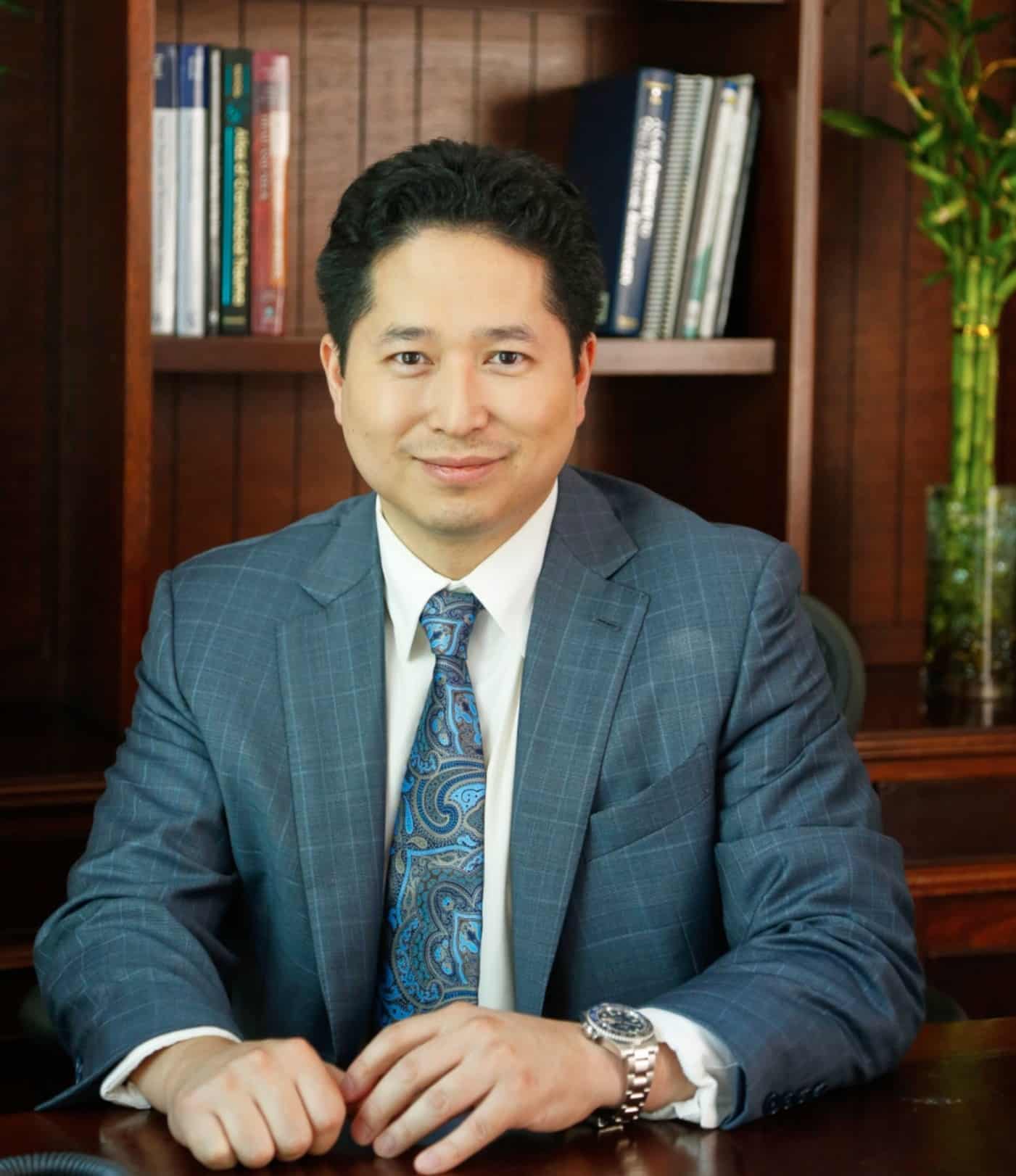
Get to know the surgeon behind Mao Facial Plastic Surgery.
Dr. Johnny Mao’s practice focuses on facial plastic and reconstructive surgery, with surgical and non-surgical options tailored to individual concerns. A consultation is the opportunity to discuss your features, your goals, and the care that may be appropriate for you.
Visit our Orange office to ask questions about treatment options, recovery, and follow-up, and learn more about Dr. Mao’s background and approach to care.
Treatment recommendations based on your anatomy, concerns, and desired outcome — never a one-size-fits-all approach.
Results designed to look natural and harmonious with your existing features rather than overdone.
Clear communication and support before, during, and after treatment so you always know what to expect.
Discuss your concerns and goals in a private, unhurried setting and learn about your options.
Receive a recommended treatment plan with realistic expectations and a clear timeline.
Our team is available throughout your recovery with follow-up visits and guidance.
Selected by Dr. Mao. Explore these featured transformations, then discover more patient results in our full gallery.
Showing 12 featured cases
A selection of Dr. Mao's patient results. Browse the full gallery for more before-and-after photos by procedure.
Case 6903 · Dorsal Hump and Finesse Tip
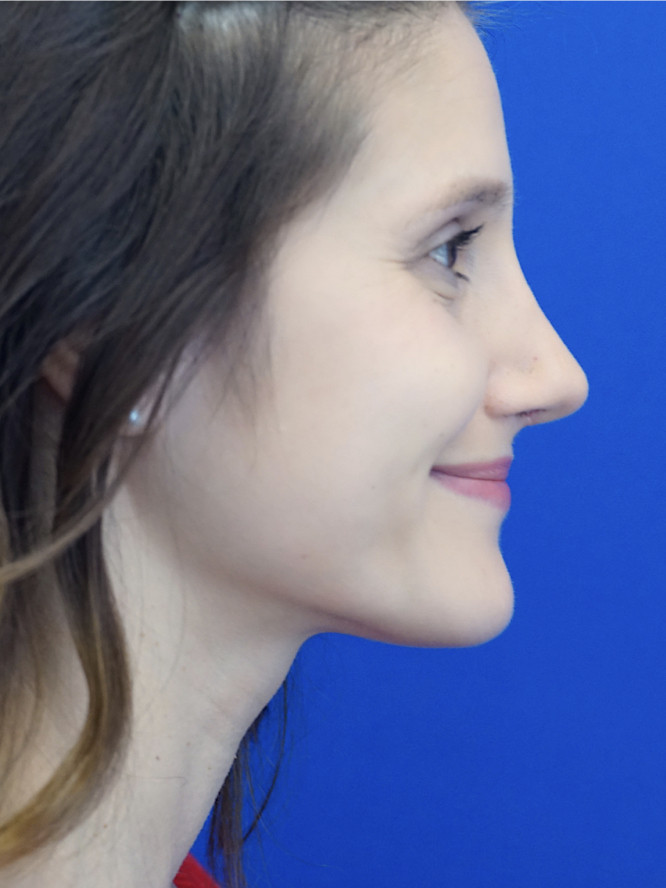
View case detailsCase 3291 · Nasal Profile Bliss
View case details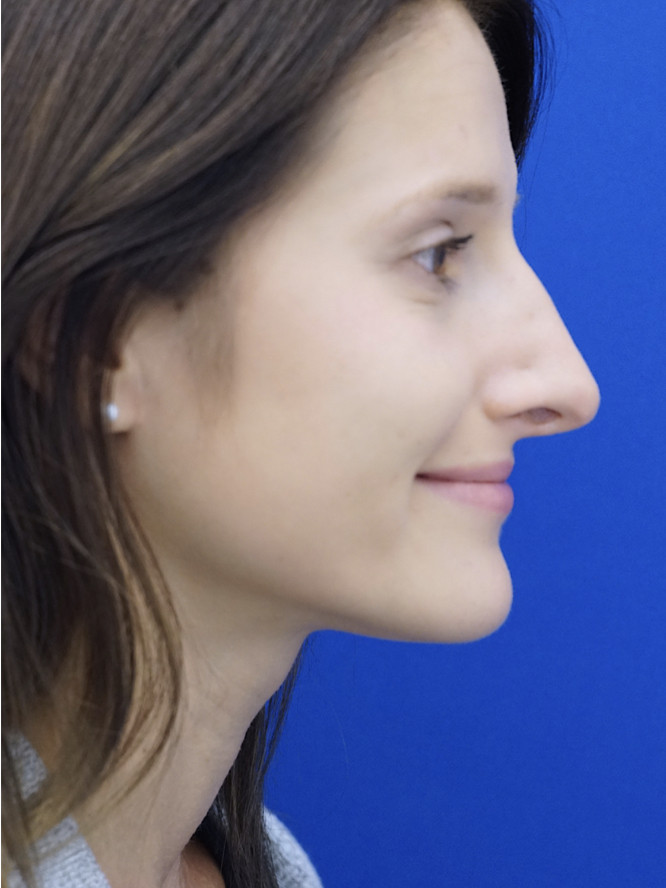
Case 6821 · Deep Plane Lower Facelift
View case details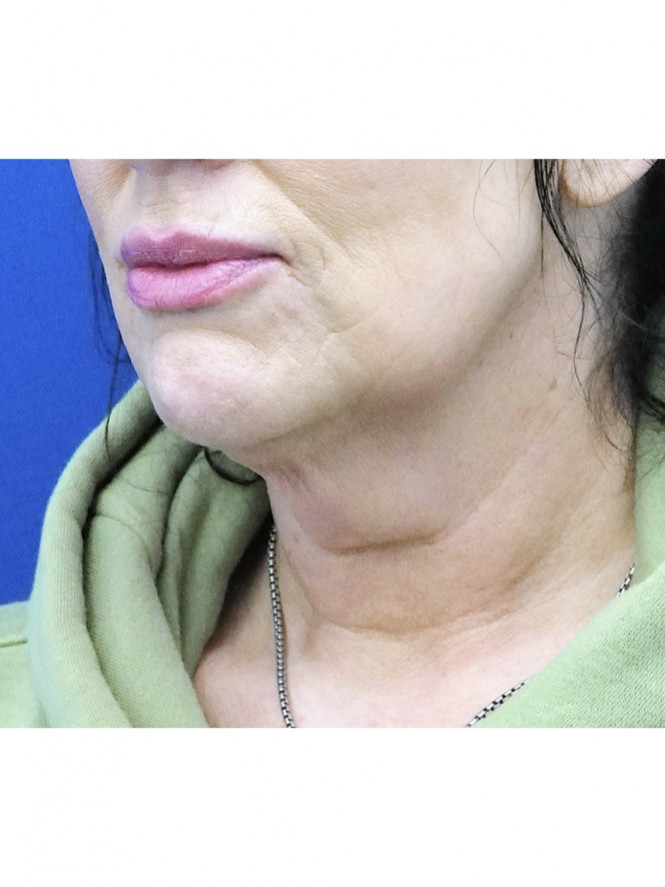
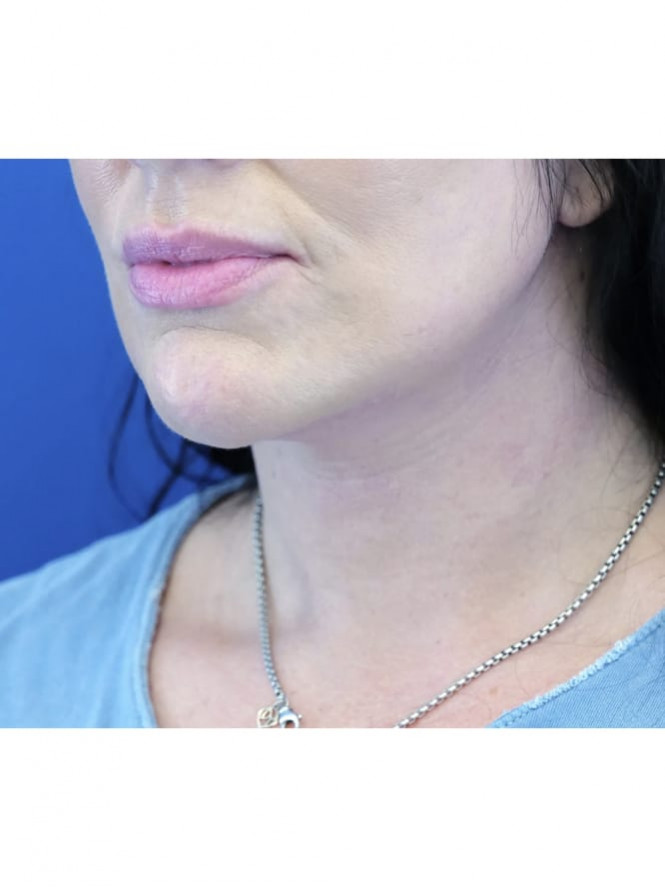
Case 5704 · Fantastic Facial Profile
View case details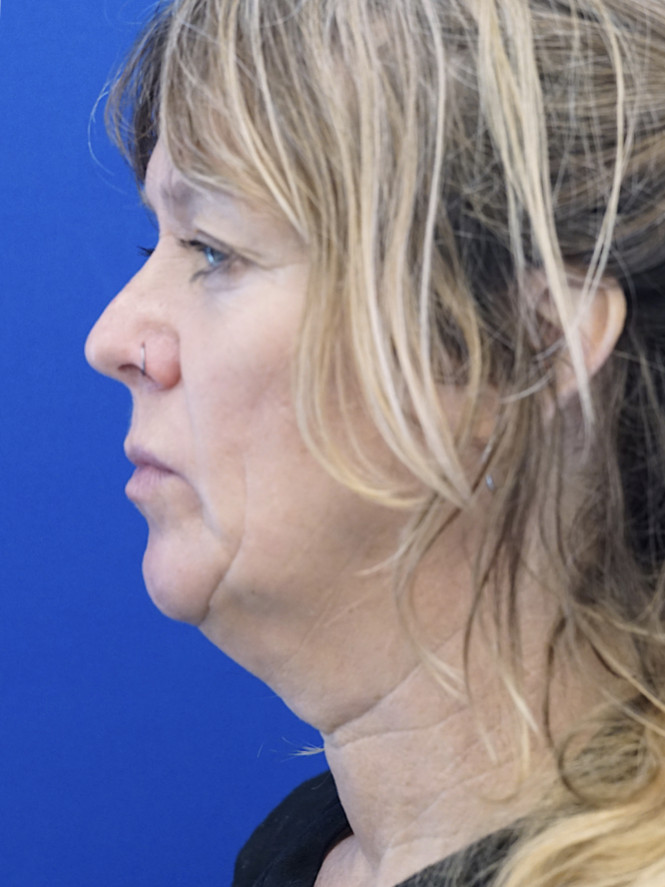
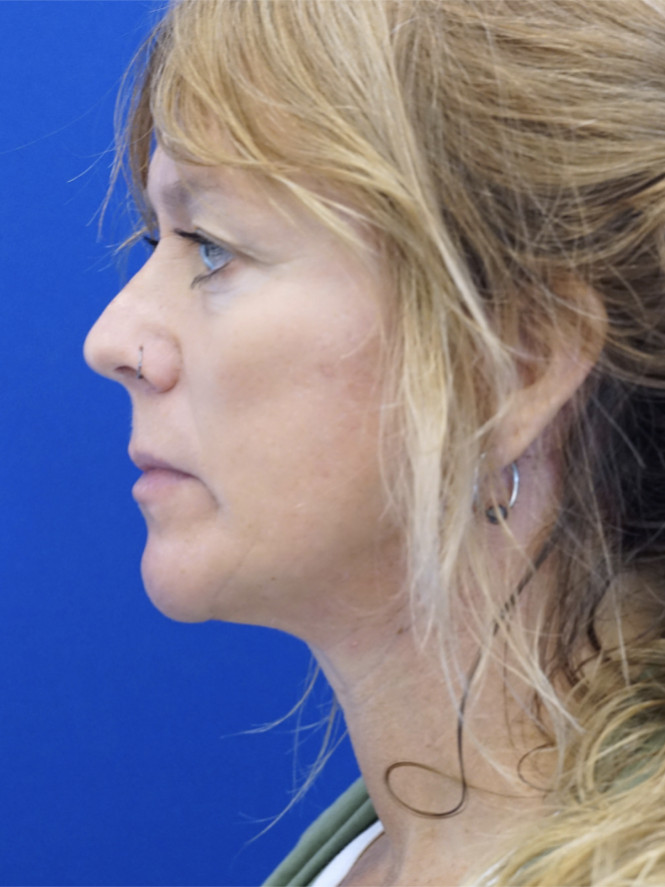
Case 7154 · Natural Result
View case details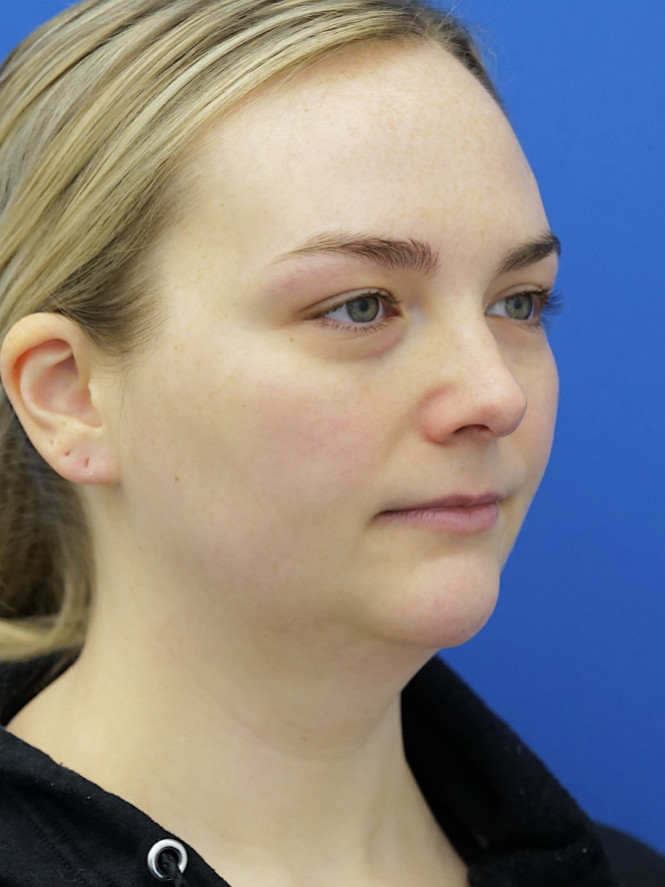
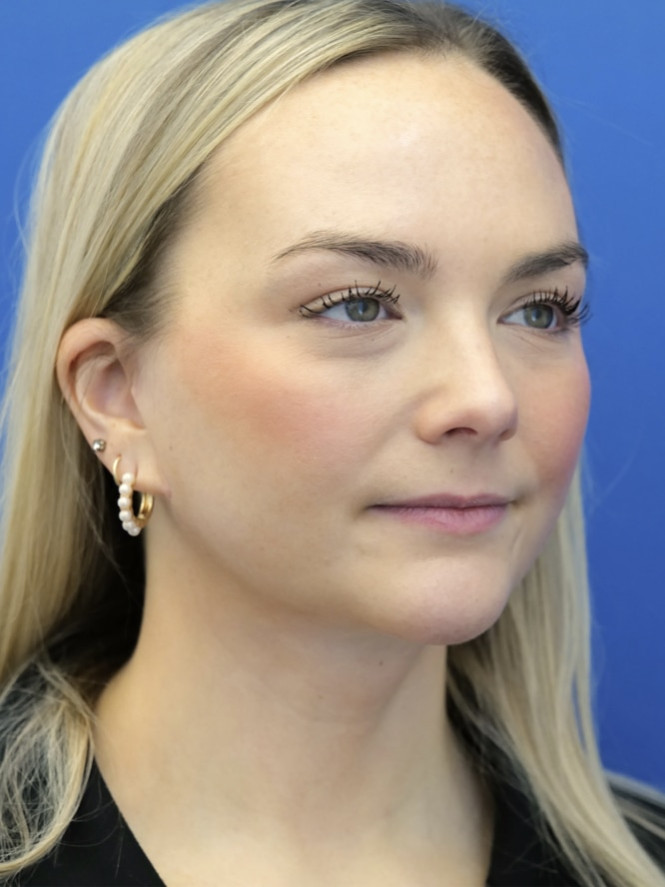
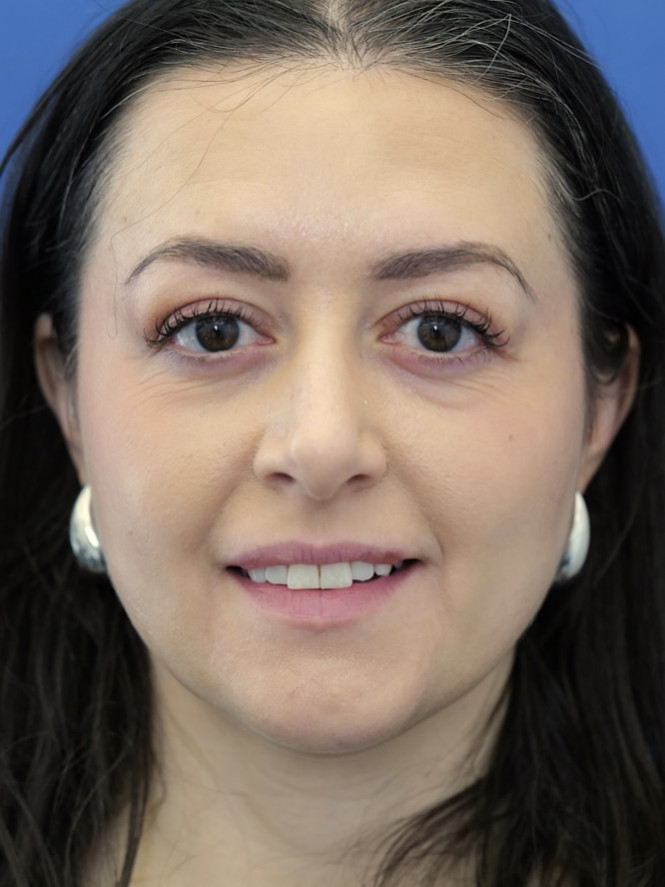
Case 6868 · Brow Fat Suspension
View case details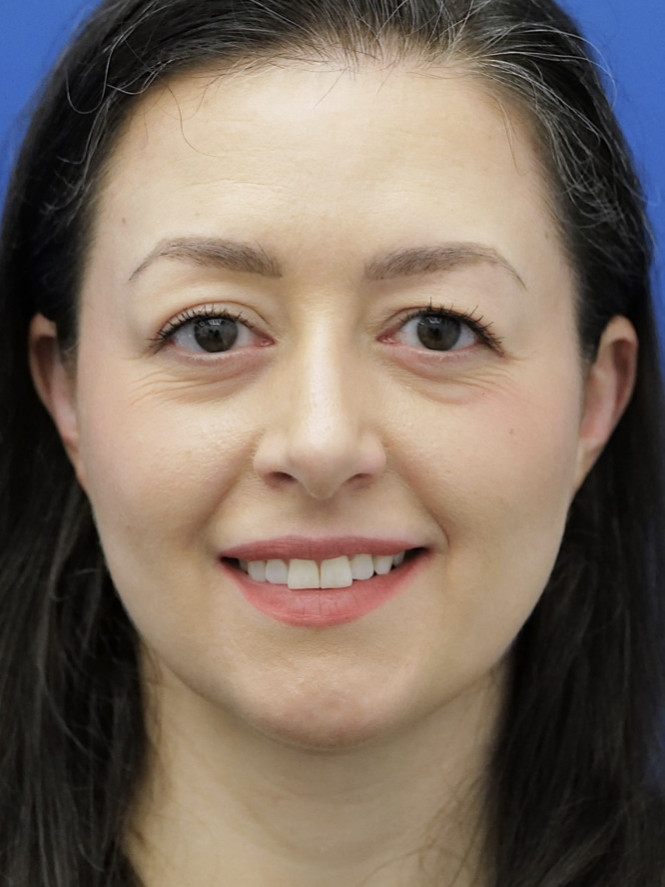
Case 7252 · Lower Lid Fat Reposition
View case details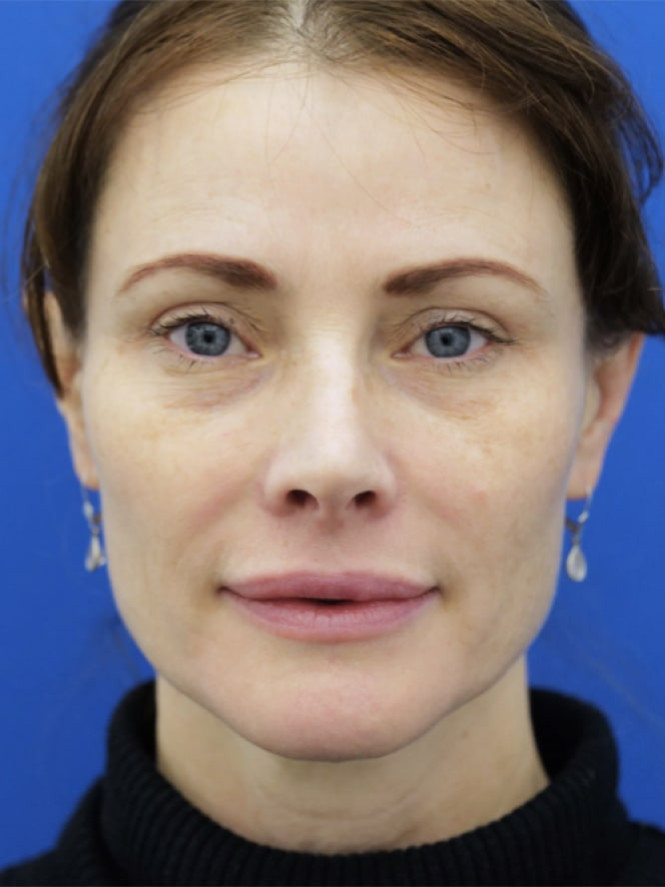
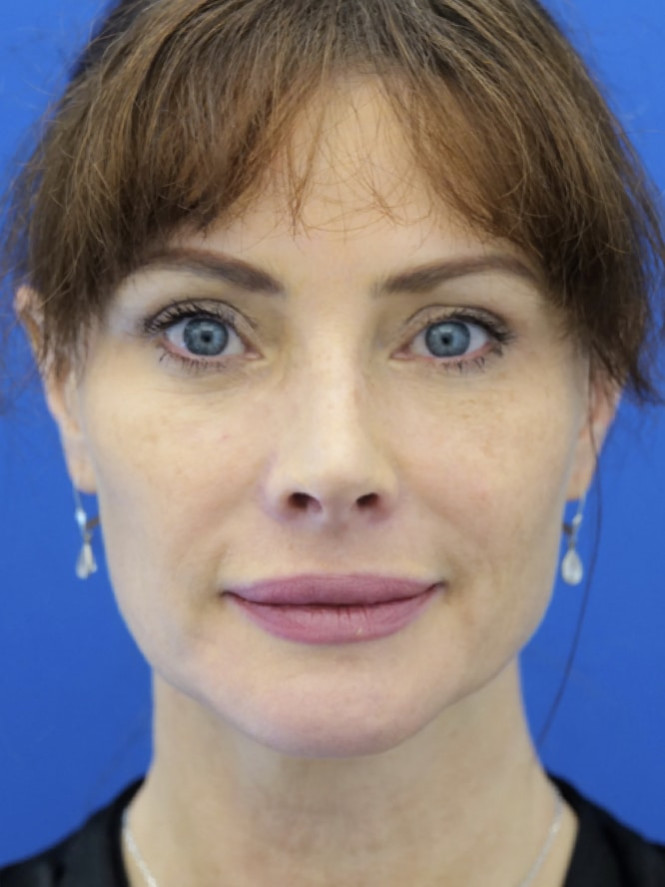
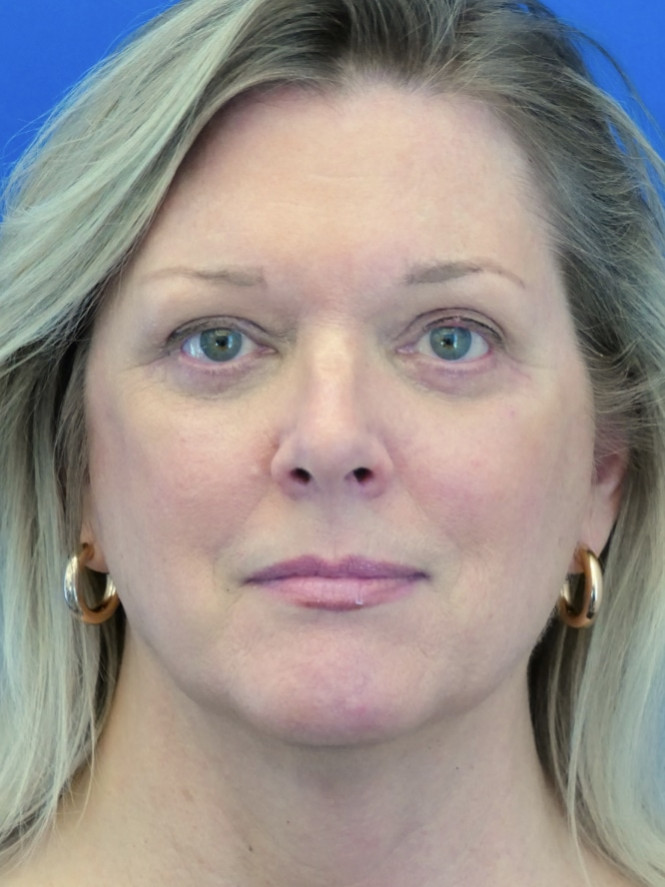
Case 6655 · Endoscopic Browlift, Quad Blepharoplasty
View case details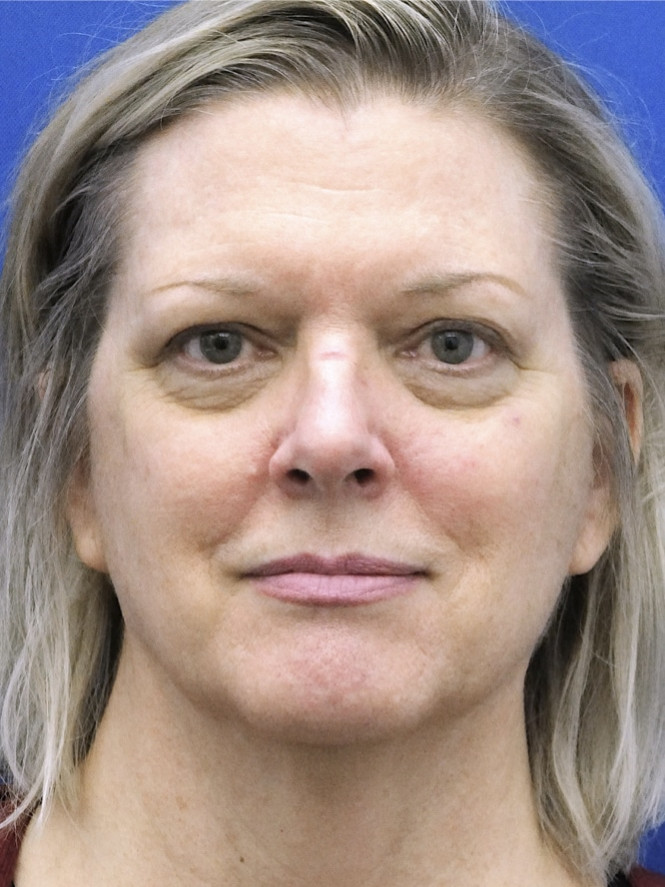
Case 2323 · Vertical Lengthening Chin*
View case details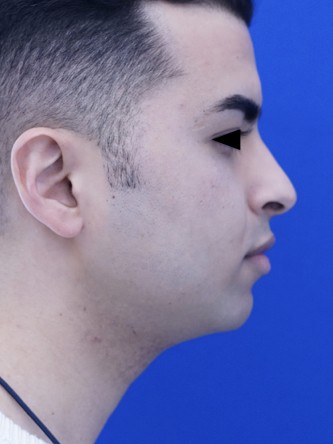
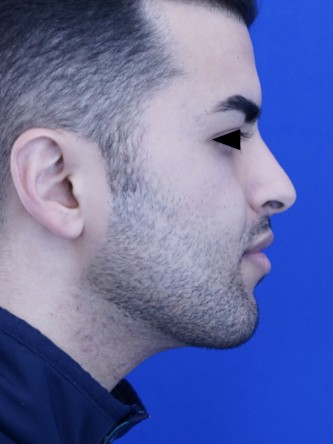
Case 6966 · Ridge Creation and Setback
View case details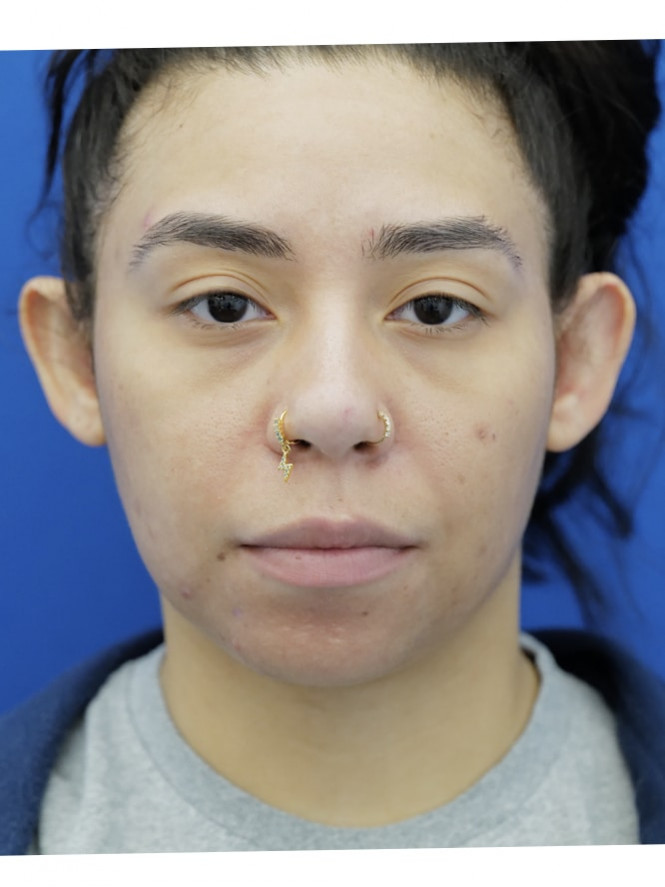
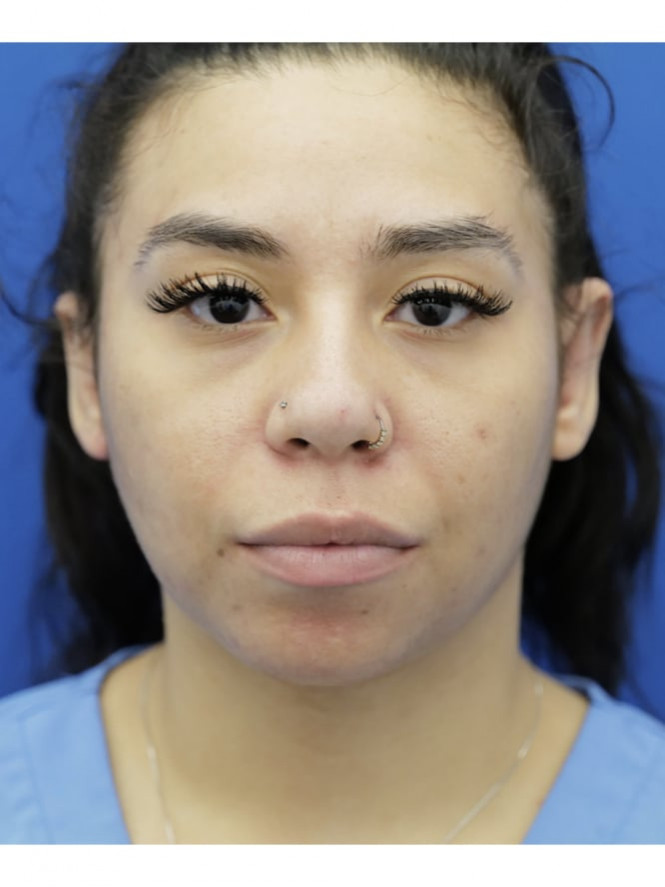
Case 7561 · Awesome Jawline
View case details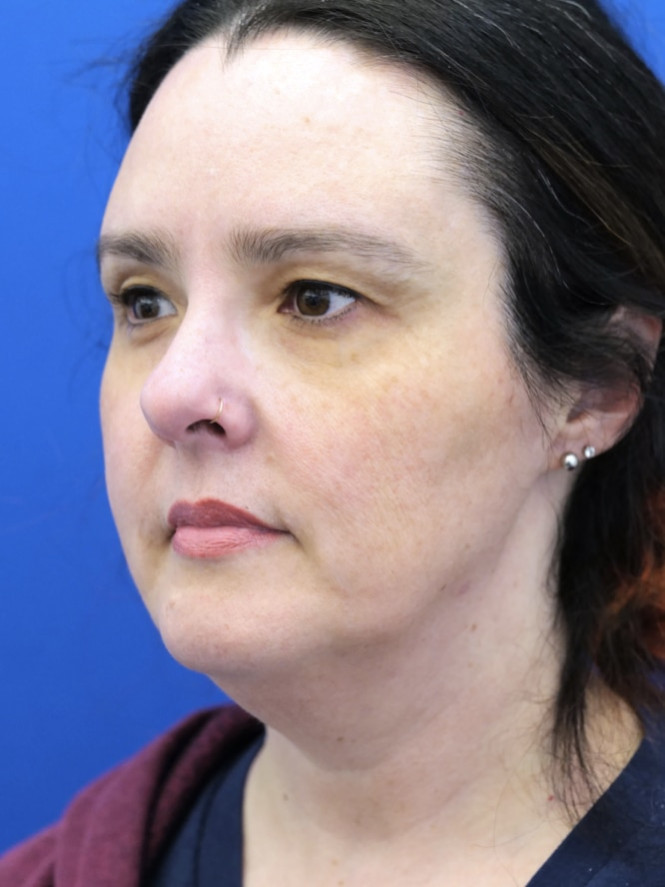
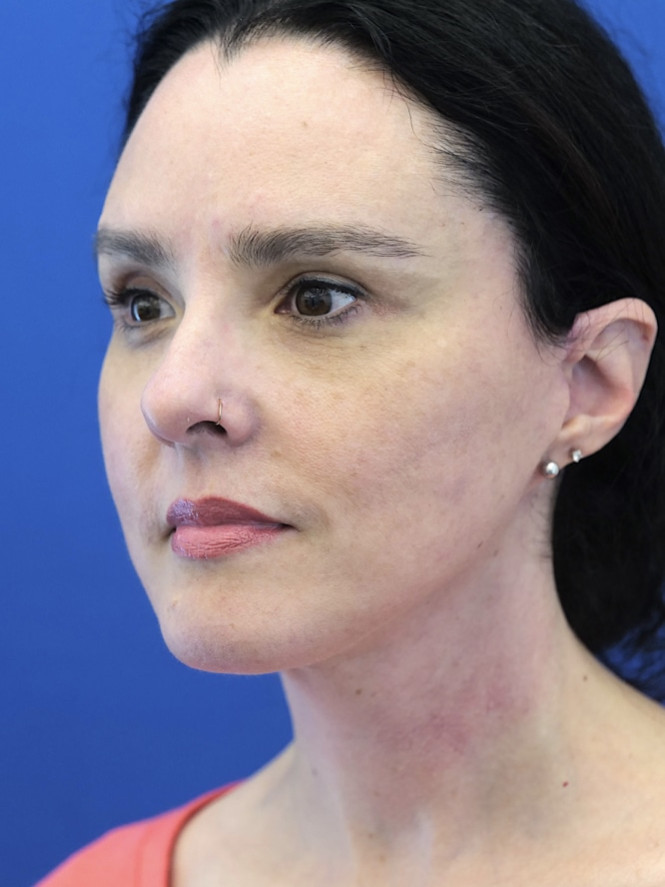
Case 7566 · Preserving Tip Surface Aesthetics
View case details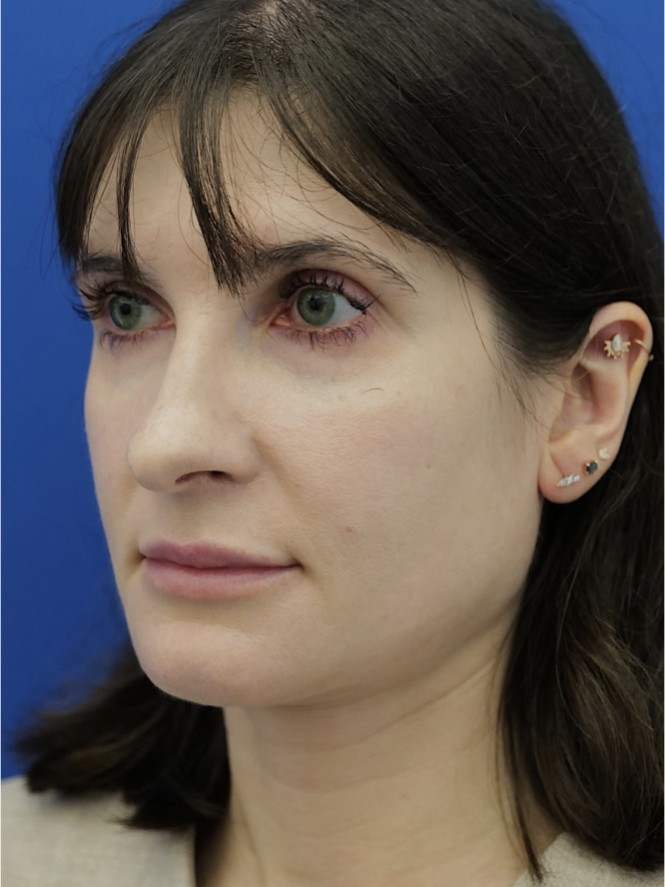
Individual results vary.
Explore other options as part of an individualized treatment discussion.
Injectables, fillers, and laser treatments remain available for patients exploring non-surgical care. Your consultation can help clarify which options fit your goals.
Explore Non-Surgical Options/// FIND THE RIGHT INJECTABLE FOR YOU
Read patient feedback published by the practice and on independent review platforms.
Patient feedback includes experiences with facelift, rhinoplasty, eyelid surgery, otoplasty, and revision procedures.
Read practice testimonialsPublished feedback also covers injectable treatments, liquid rhinoplasty, BOTOX®, fillers, and laser services.
Read practice testimonialsVisit Dr. Mao's RealSelf profile for additional patient reviews and procedure information.
View RealSelf reviewsWelcoming patients from Branford, Cheshire, East Haven, Fairfield, Milford, North Haven, Orange, Shelton, Southport, Weston, Westport, Wilton, Woodbridge, New Canaan, Darien, and surrounding Connecticut communities.
Mao Facial Plastic Surgery 200 S Orange Center Rd
Meet with Dr. Johnny Mao to discuss your aesthetic goals and available facial rejuvenation options.
Request a Consultation Call (203) 907-0501