Rhinoplasty
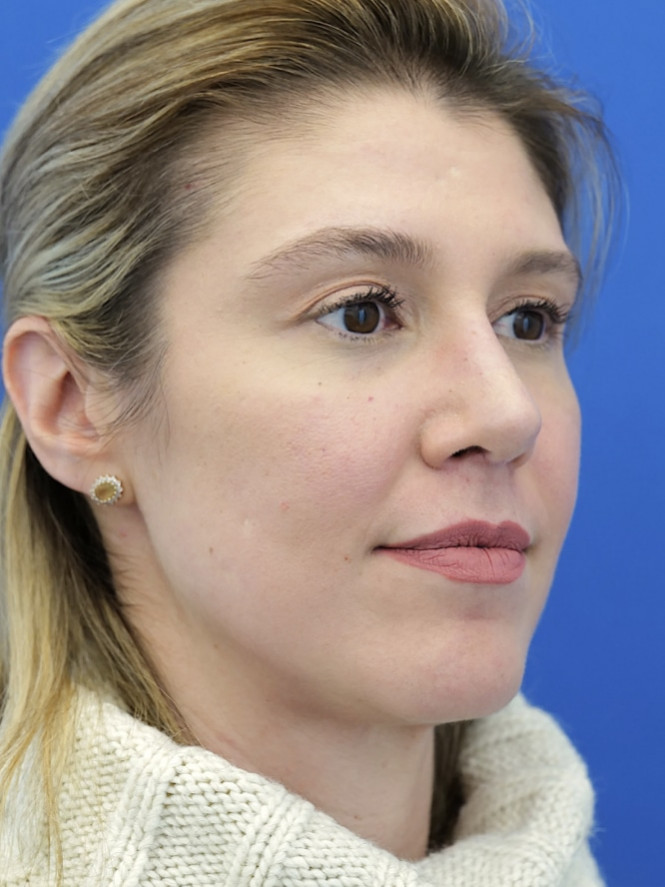
Case 6903 · Dorsal Hump and Finesse Tip
View case details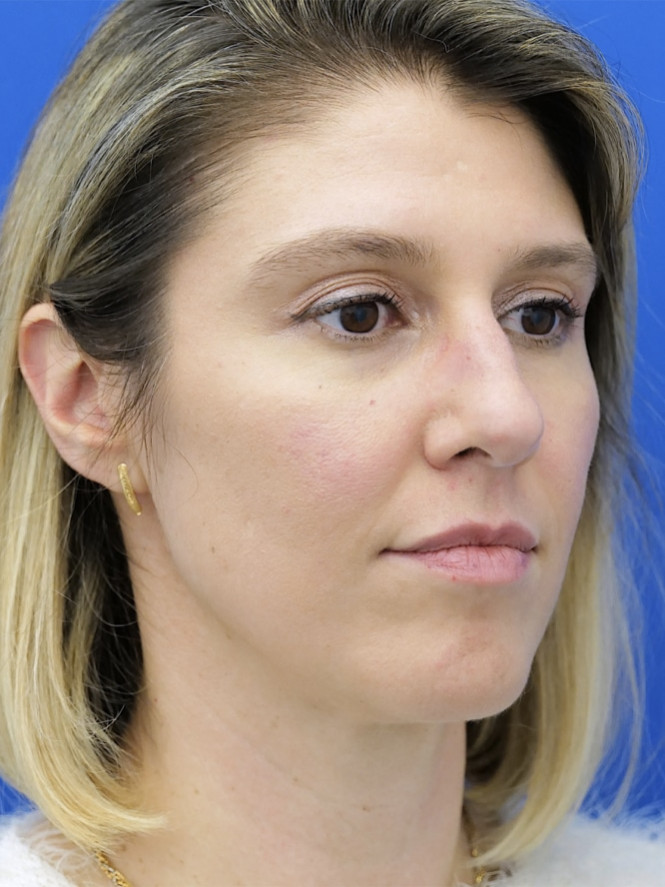

Rhinoplasty is a surgical procedure that can enhance the appearance and function of the nose. One common condition that patients seek correction for is a tension nose. In this FAQ, we’ll walk you through the steps involved in correcting a tension nose during rhinoplasty, ensuring that you have all the information you need to make informed decisions.
A tension nose refers to a specific nasal deformity where the upper part of the nose appears overly tight or pinched. This can be caused by various factors, including genetics or previous surgeries.
Individuals with a tension nose may feel self-conscious about their appearance, as this condition often disrupts the natural harmony of facial features. It’s not just about aesthetics; the tension can also impact breathing.
The good news is that understanding this condition is the first step toward seeking help. When you recognize the characteristics of a tension nose, you’re better equipped to engage in meaningful conversations with your healthcare provider.
With advancements in surgical techniques, addressing a tension nose has become more effective and tailored to each person’s unique anatomy. This journey begins with knowledge and understanding.
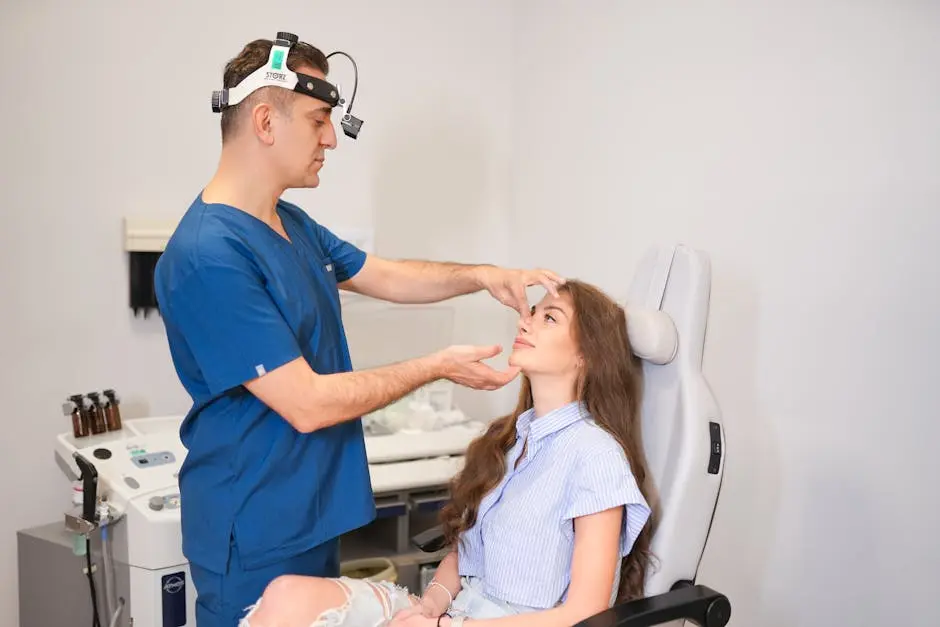
The first step in the corrective process is to consult with a qualified plastic surgeon. During this consultation, you will discuss your concerns, expectations, and the surgical options available to correct the tension.
Your surgeon will conduct a thorough examination of your nose and surrounding facial features. This is a critical step in determining how best to address the tension and achieve desired results.
An open dialogue is essential. Don’t hesitate to ask questions—understanding the process helps to alleviate fears and uncertainties. Your surgeon should provide clear explanations about the procedure, potential risks, and recovery.
Ultimately, your confidence in your surgeon is crucial. Selecting a professional who understands your goals and expectations can greatly impact the outcome of your rhinoplasty procedure.
Once you and your surgeon decide on a surgical approach, a comprehensive plan will be created. This includes reviewing your medical history, conducting imaging studies, and preparing you for the procedure.
Preoperative assessments often involve photographs of your nose taken from various angles. These images help your surgeon visualize the changes needed to correct the tension and guide the surgery.
In addition, your surgeon may discuss the anesthesia process, which will keep you comfortable during the surgery. Understanding these details helps you feel more prepared and less anxious going into the procedure.
This planning phase is not just about surgery day; it’s also about setting the stage for a smooth recovery. Following your surgeon’s preoperative guidelines is vital for a successful outcome.
During the surgery, the surgeon will make specific incisions to access the nasal structures, carefully adjusting the cartilage and skin to alleviate the tension. Techniques may vary based on individual anatomy.
Typically, the surgery lasts around one to three hours, depending on the complexity of your case. The surgeon’s precise techniques will ensure minimal scarring and a natural-looking result.
You may wonder about the recovery process right after the surgery. Rest assured, most patients report feeling a sense of relief post-operation, as the tension is often immediately reduced.
The use of advanced techniques allows for quicker recovery times. Many patients are amazed by how swiftly they can return to their normal routines, although certain limitations will apply during the initial healing stages.
Post-surgery care is crucial for healing. Patients will typically experience some swelling and bruising, which should subside over time. Follow-up visits with your surgeon will help ensure a successful recovery.
It’s important to adhere to your surgeon’s aftercare instructions, which may include avoiding strenuous activities and following specific guidelines regarding medications. Understanding the recovery process helps set realistic expectations.
Most importantly, take care of your emotional well-being during this time. Many patients find the recovery process to be a fulfilling journey as they start to see the changes they’ve longed for, enhancing their self-image.
Remember, patience is key. While the final results may take some time to fully unfold, knowing you’ve taken steps to correct your tension nose is both empowering and rewarding.
Correcting a tension nose during rhinoplasty can lead to significant improvements in both appearance and self-esteem. With the right surgeon and careful planning, you can achieve the nose you’ve always wanted.
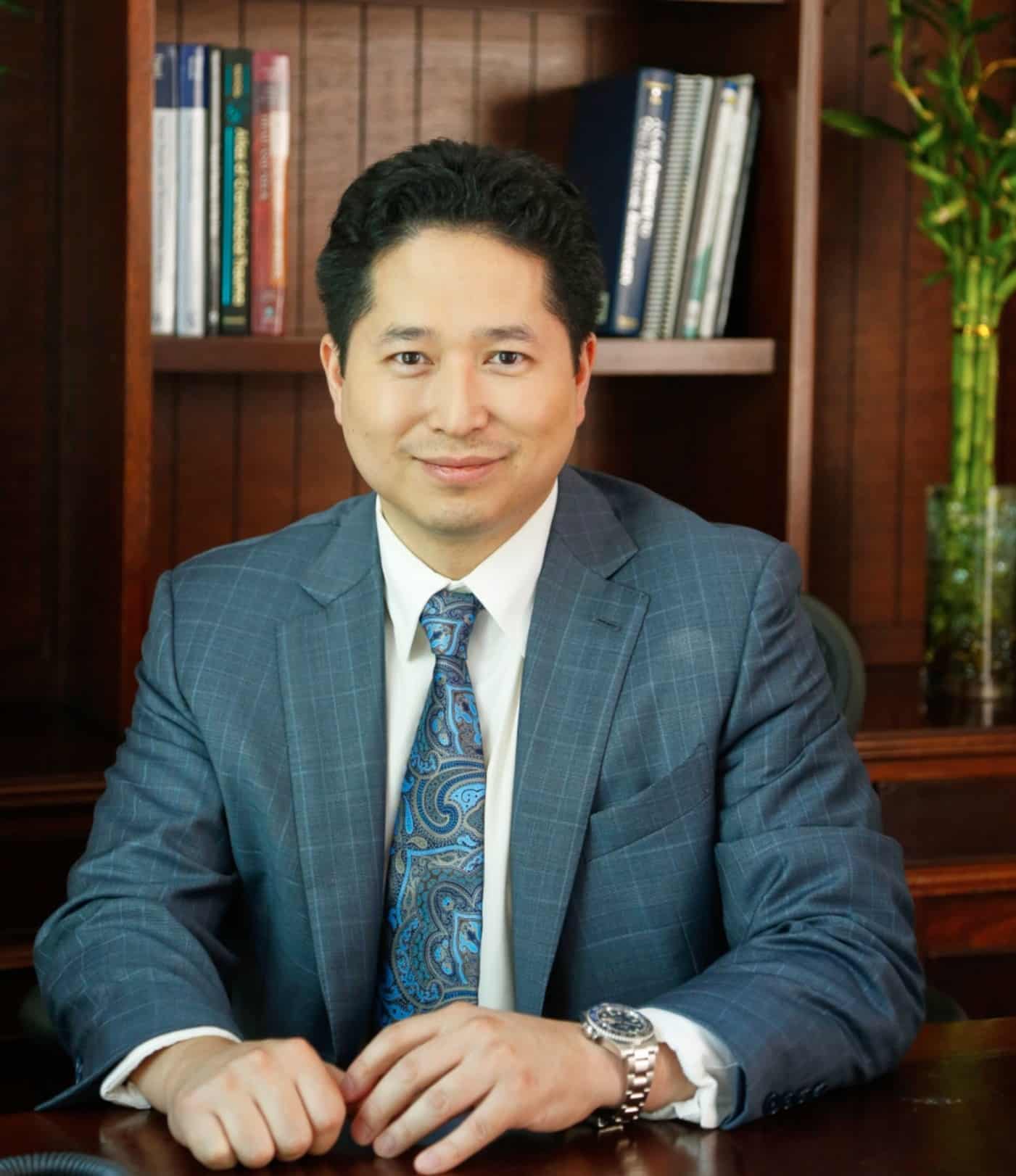
Get to know the surgeon behind Mao Facial Plastic Surgery.
Dr. Johnny Mao’s practice focuses on facial plastic and reconstructive surgery, with surgical and non-surgical options tailored to individual concerns. A consultation is the opportunity to discuss your features, your goals, and the care that may be appropriate for you.
Visit our Orange office to ask questions about treatment options, recovery, and follow-up, and learn more about Dr. Mao’s background and approach to care.
Treatment recommendations based on your anatomy, concerns, and desired outcome — never a one-size-fits-all approach.
Results designed to look natural and harmonious with your existing features rather than overdone.
Clear communication and support before, during, and after treatment so you always know what to expect.
Discuss your concerns and goals in a private, unhurried setting and learn about your options.
Receive a recommended treatment plan with realistic expectations and a clear timeline.
Our team is available throughout your recovery with follow-up visits and guidance.
Selected by Dr. Mao. Explore these featured transformations, then discover more patient results in our full gallery.
Showing 12 featured cases
A selection of Dr. Mao's patient results. Browse the full gallery for more before-and-after photos by procedure.
Case 6903 · Dorsal Hump and Finesse Tip
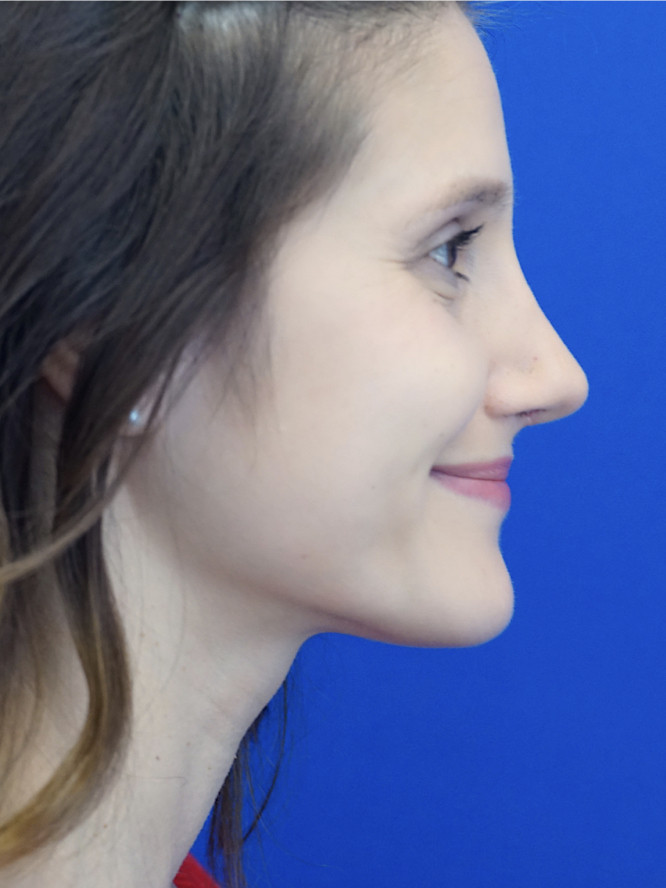
View case detailsCase 3291 · Nasal Profile Bliss
View case details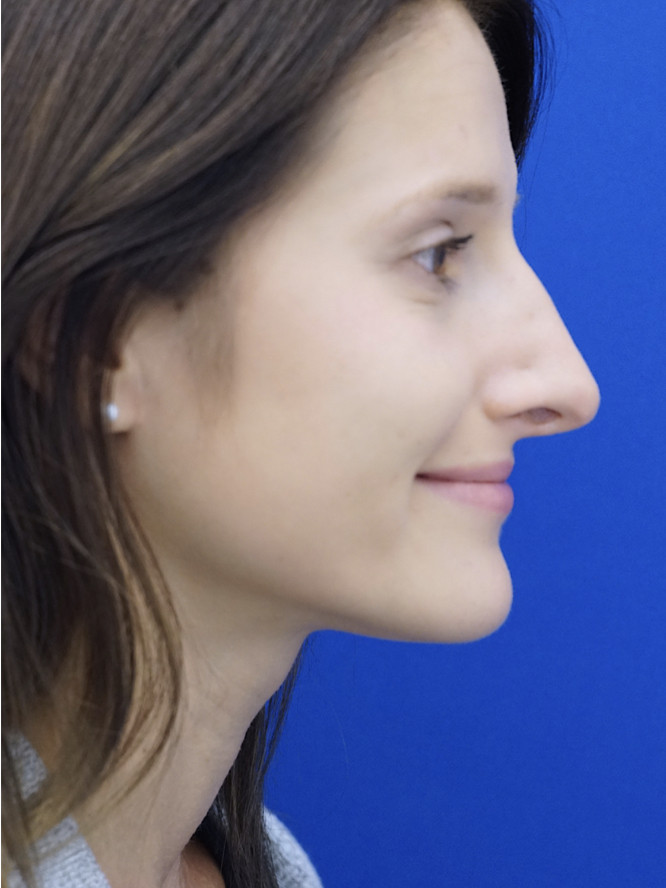
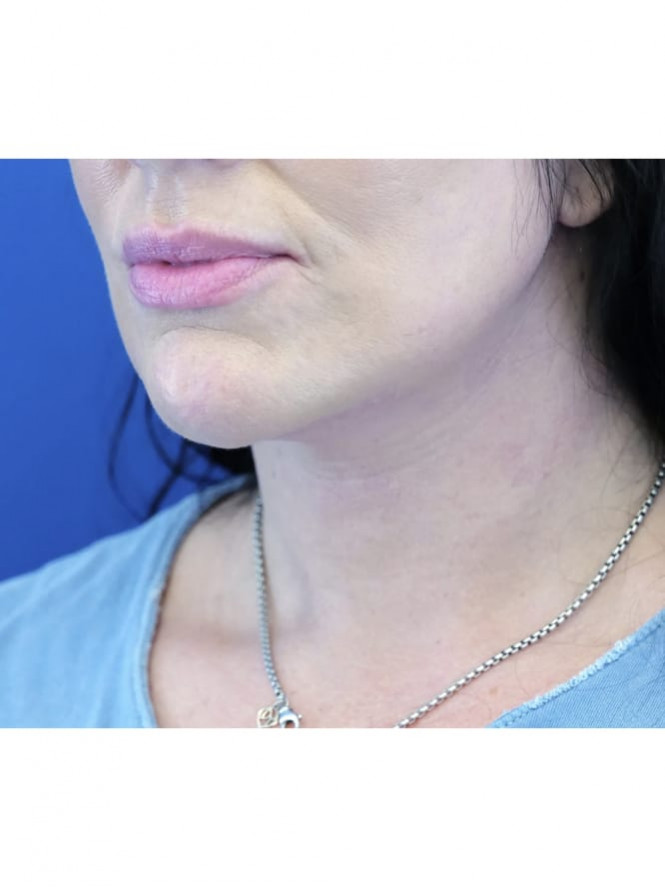
Case 6821 · Deep Plane Lower Facelift
View case details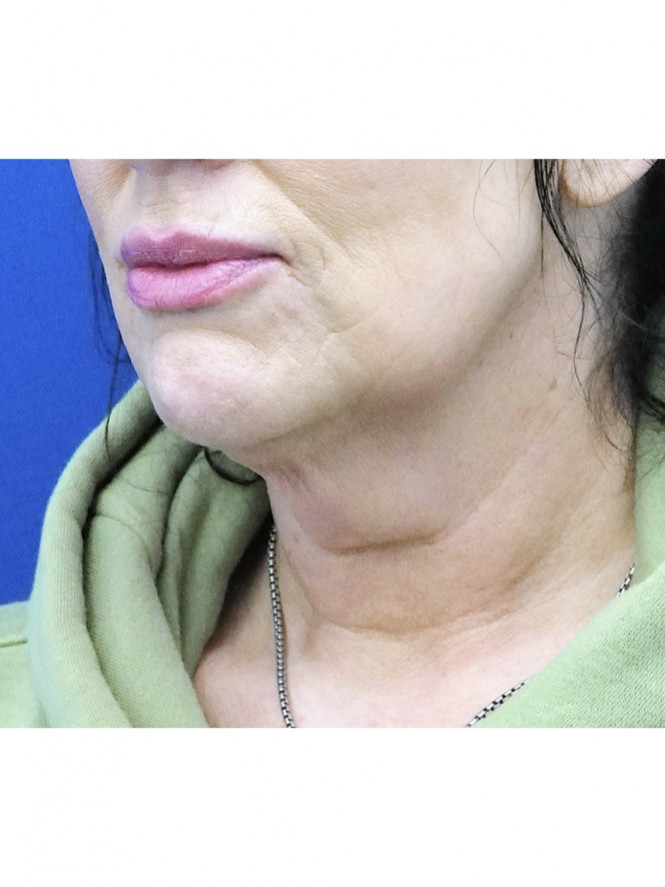
Case 5704 · Fantastic Facial Profile
View case details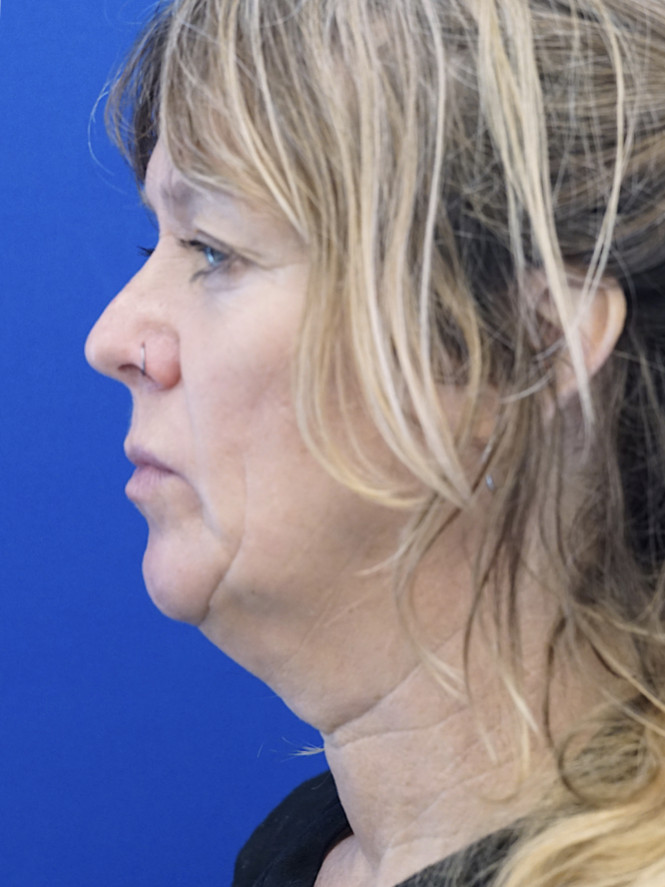
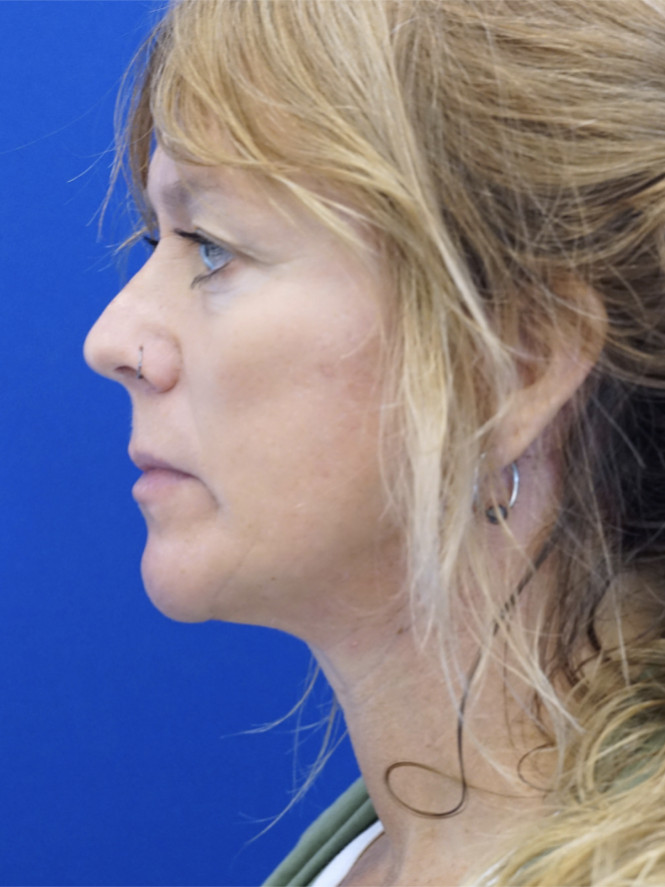
Case 7154 · Natural Result
View case details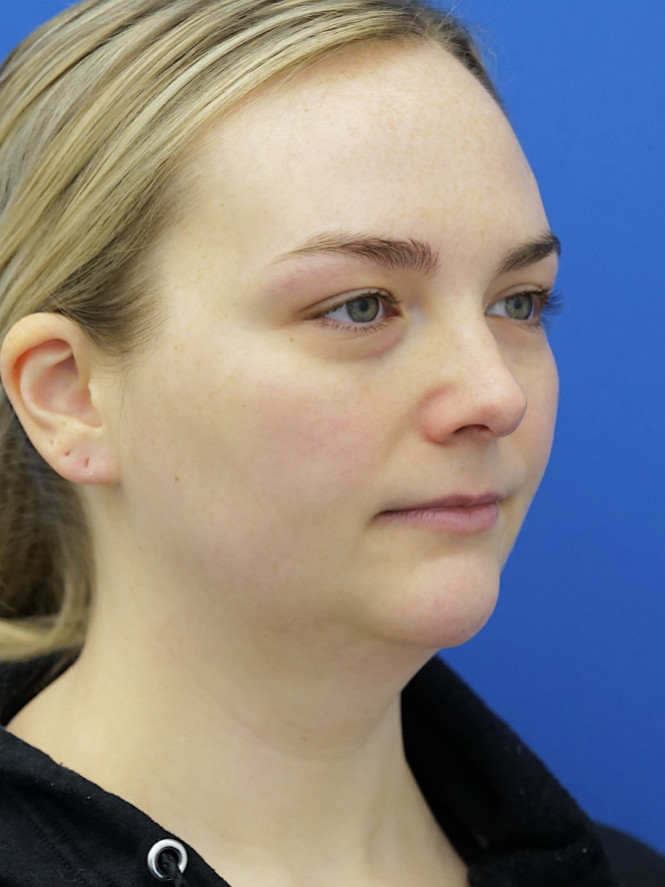
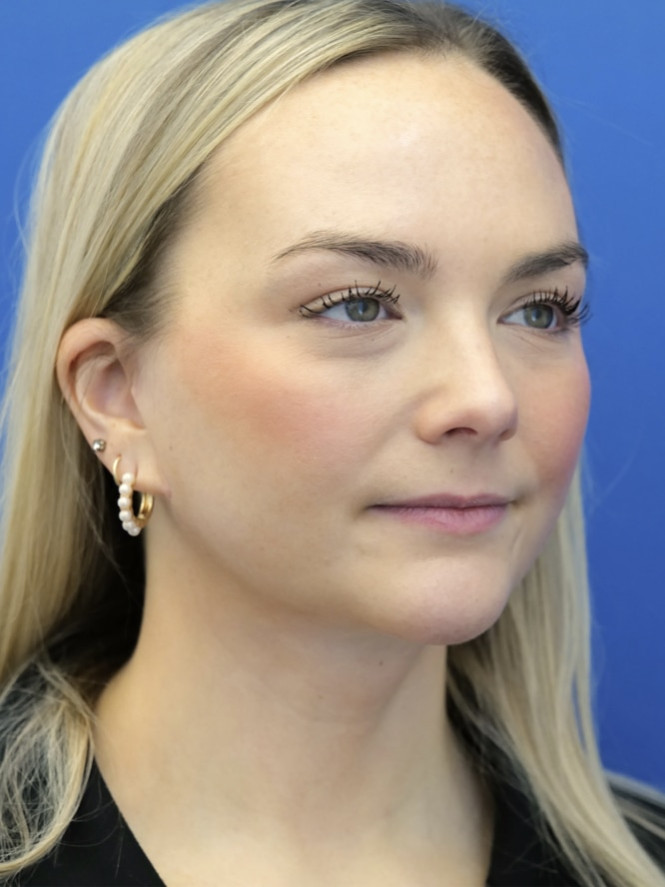
Case 6868 · Brow Fat Suspension
View case details
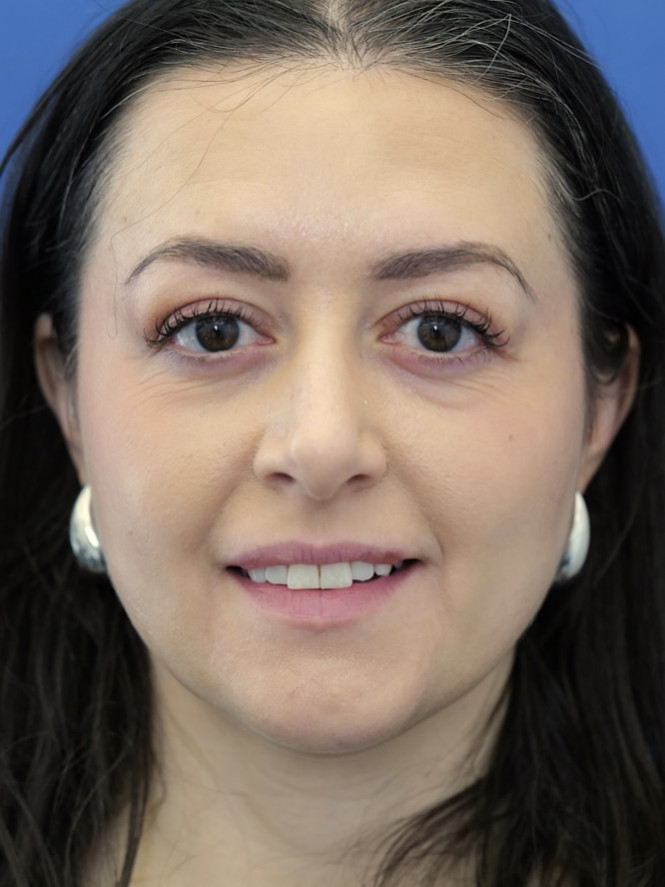
Case 7252 · Lower Lid Fat Reposition
View case details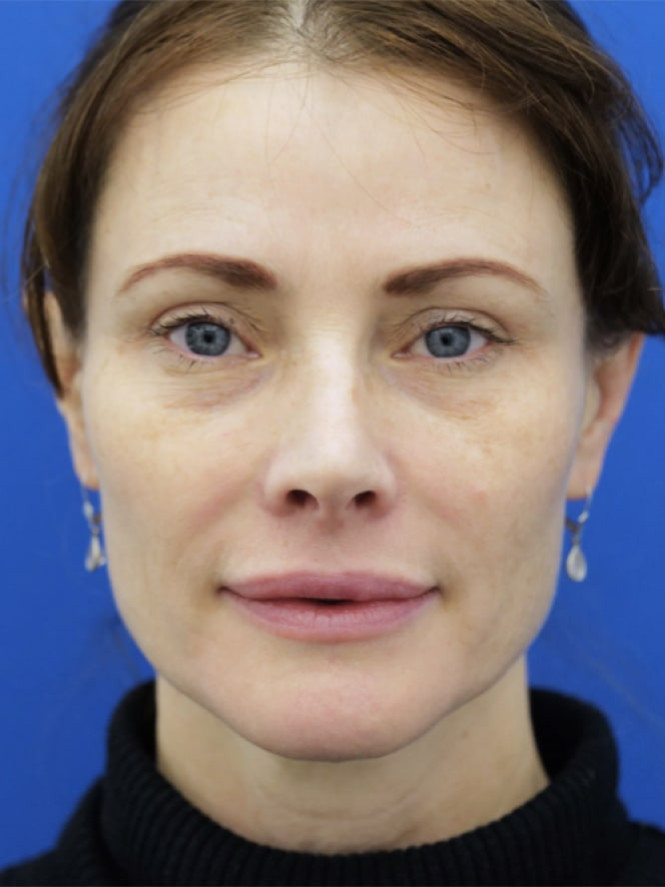
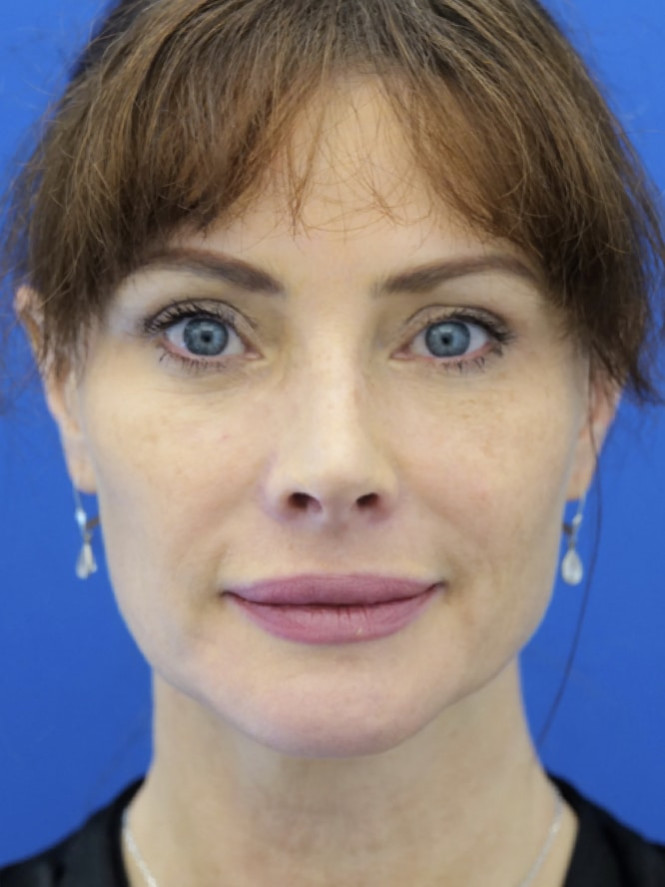
Case 6655 · Endoscopic Browlift, Quad Blepharoplasty
View case details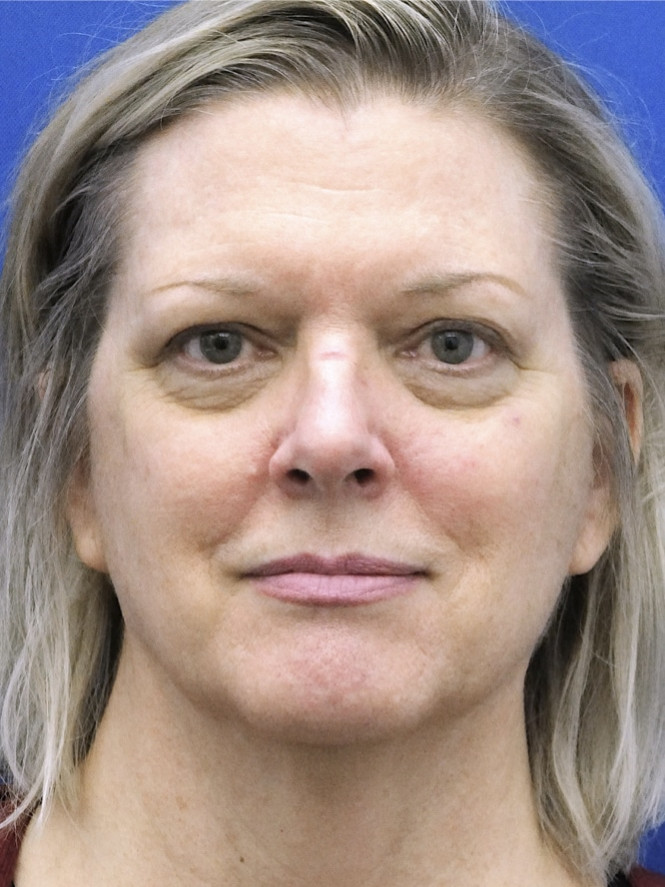
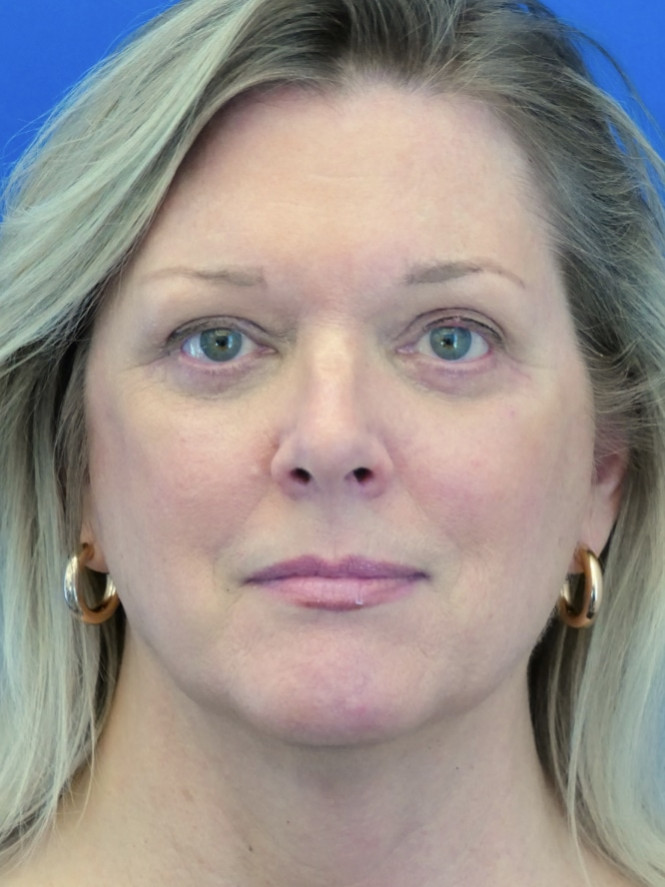
Case 2323 · Vertical Lengthening Chin*
View case details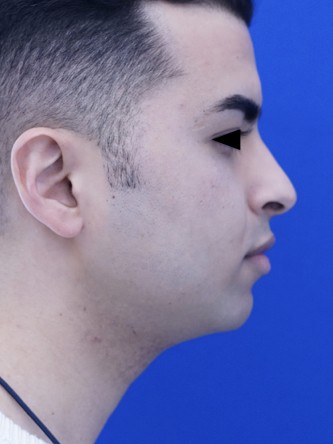
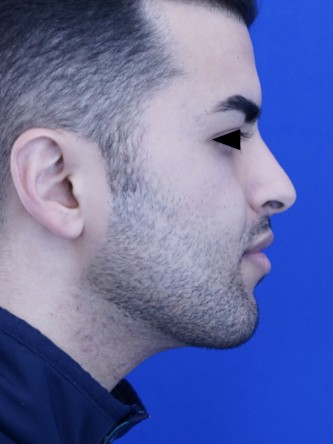
Case 6966 · Ridge Creation and Setback
View case details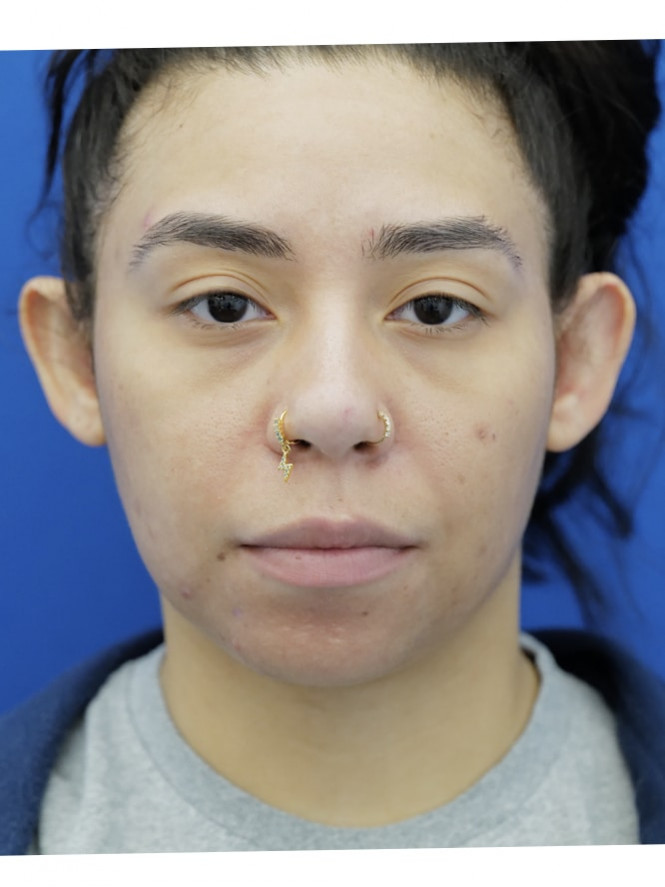
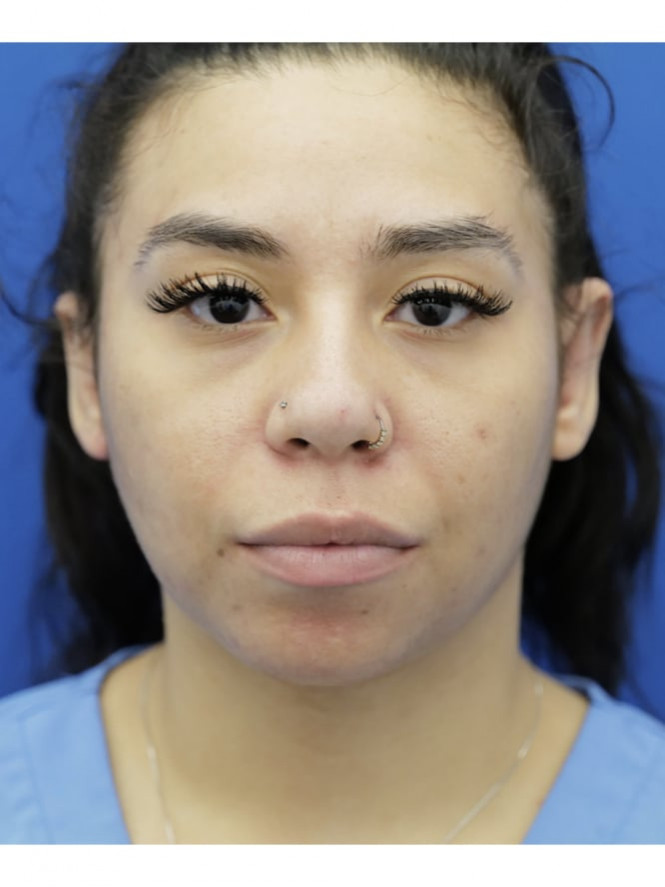
Case 7561 · Awesome Jawline
View case details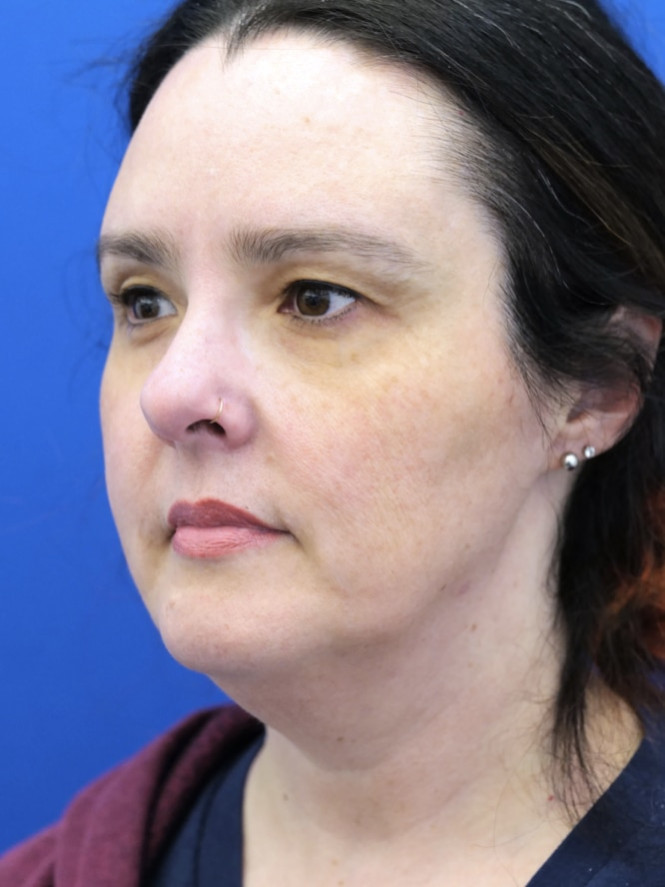
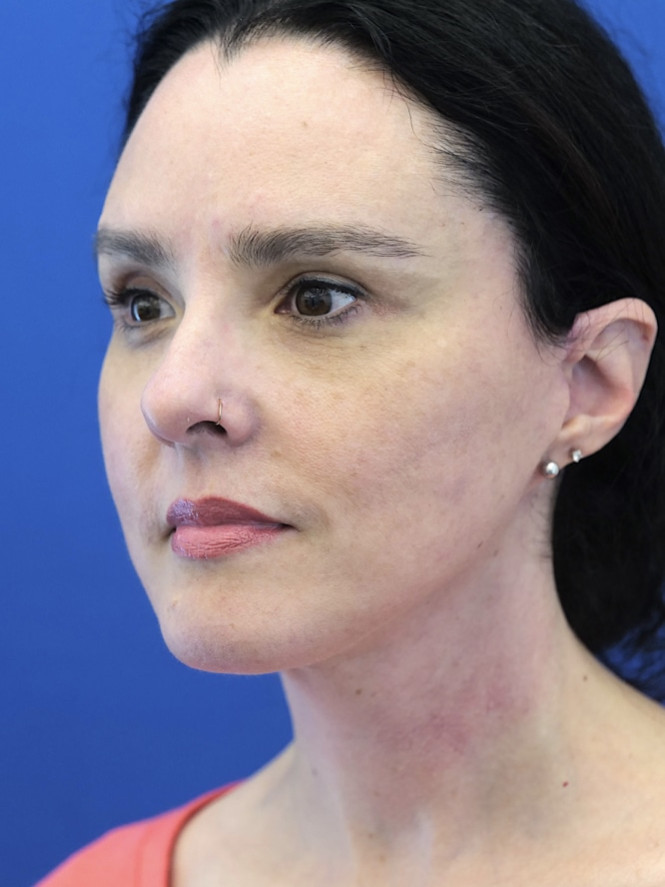
Case 7566 · Preserving Tip Surface Aesthetics
View case details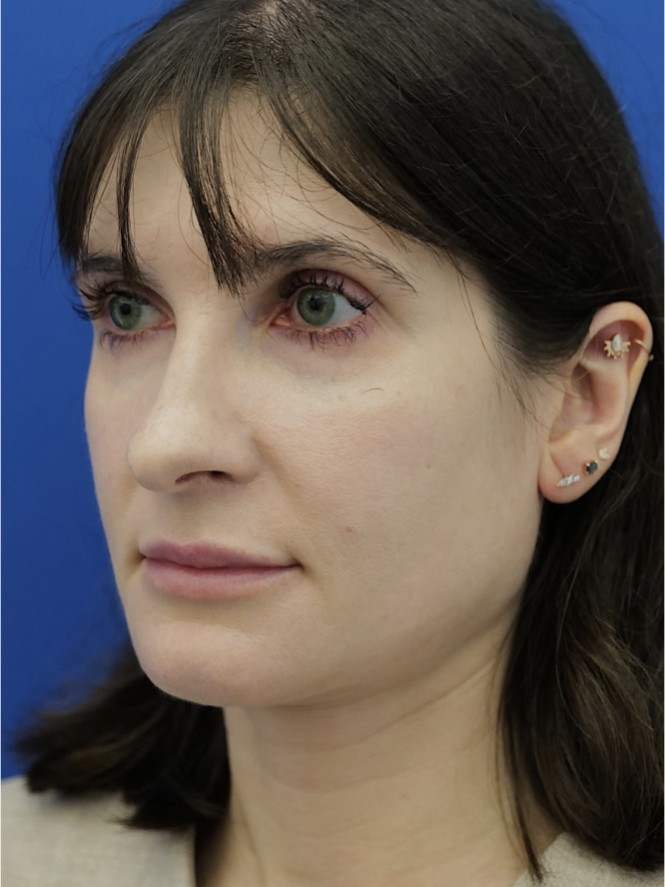
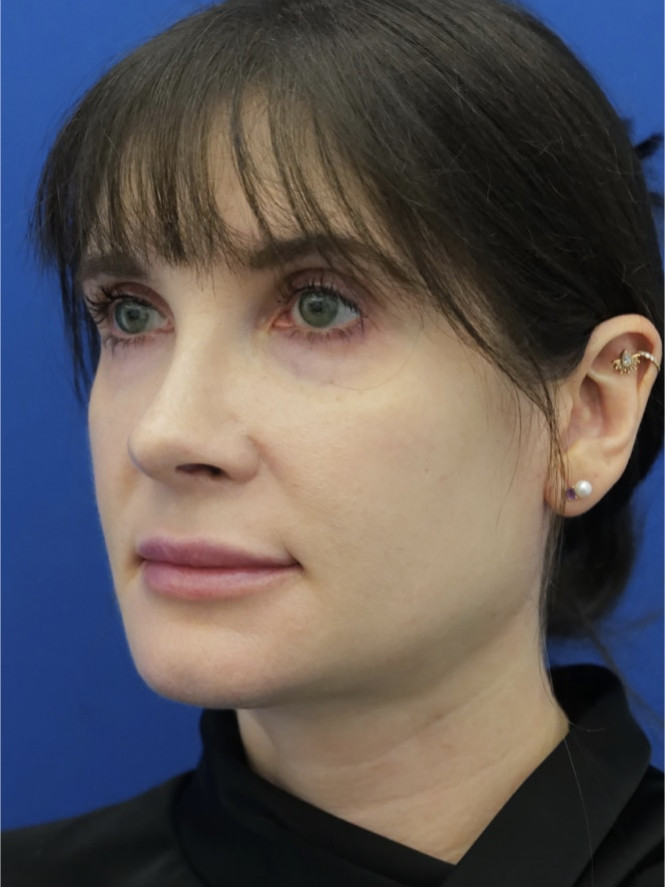
Individual results vary.
Explore other options as part of an individualized treatment discussion.
Injectables, fillers, and laser treatments remain available for patients exploring non-surgical care. Your consultation can help clarify which options fit your goals.
Explore Non-Surgical Options/// FIND THE RIGHT INJECTABLE FOR YOU
Read patient feedback published by the practice and on independent review platforms.
Patient feedback includes experiences with facelift, rhinoplasty, eyelid surgery, otoplasty, and revision procedures.
Read practice testimonialsPublished feedback also covers injectable treatments, liquid rhinoplasty, BOTOX®, fillers, and laser services.
Read practice testimonialsVisit Dr. Mao's RealSelf profile for additional patient reviews and procedure information.
View RealSelf reviewsWelcoming patients from Branford, Cheshire, East Haven, Fairfield, Milford, North Haven, Orange, Shelton, Southport, Weston, Westport, Wilton, Woodbridge, New Canaan, Darien, and surrounding Connecticut communities.
Mao Facial Plastic Surgery 200 S Orange Center Rd
Meet with Dr. Johnny Mao to discuss your aesthetic goals and available facial rejuvenation options.
Request a Consultation Call (203) 907-0501