Rhinoplasty
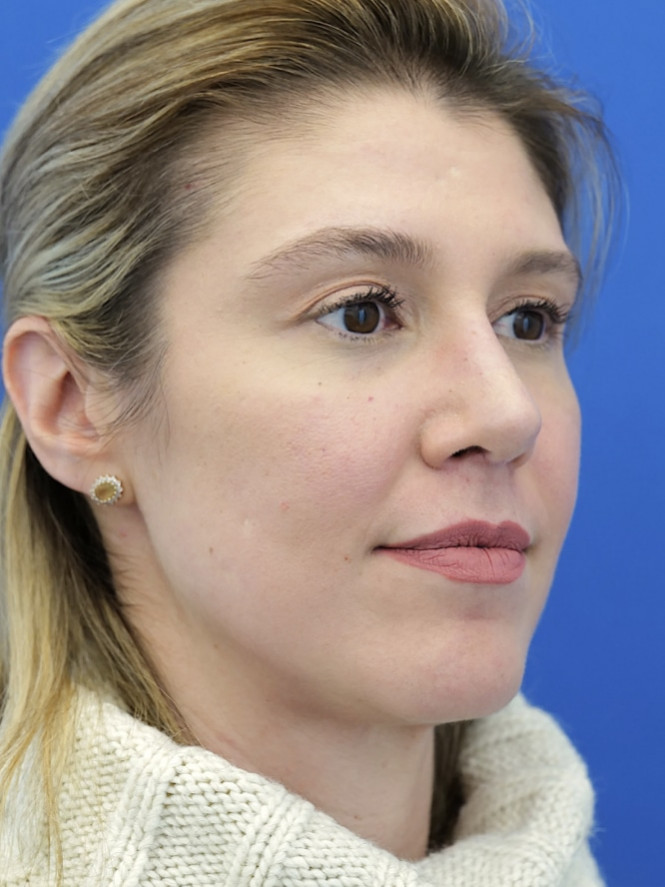
Case 6903 · Dorsal Hump and Finesse Tip
View case details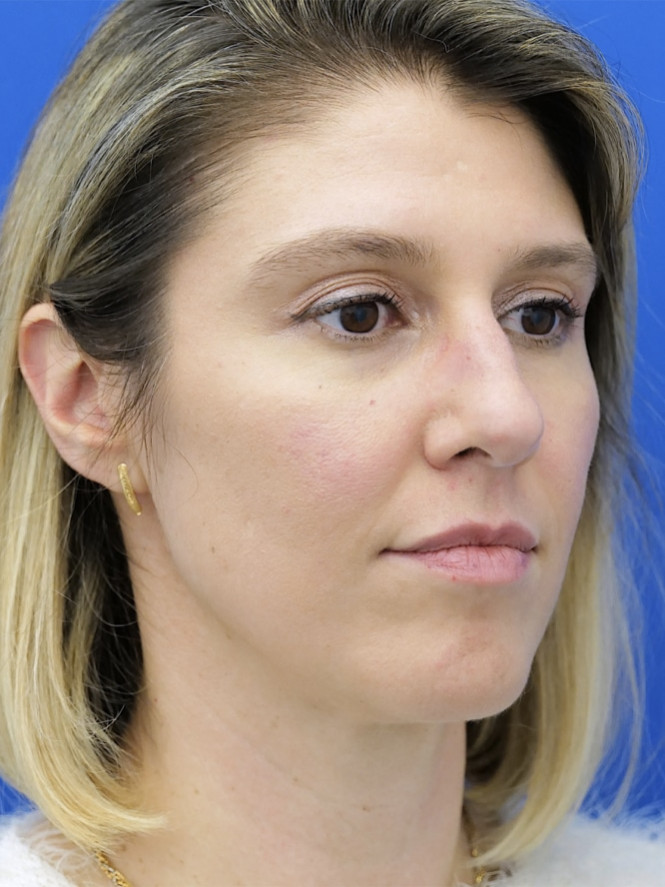

The supratip break is a common issue faced by many individuals seeking aesthetic enhancements to their noses. Understanding this condition is crucial for both patients and practitioners. In this blog, we’ll explore what a supratip break is, its causes, and how it can be effectively corrected. We’ll also discuss the importance of choosing the right technique and what you can expect during the recovery process.
A supratip break refers to a noticeable indentation that occurs just above the tip of the nose. This condition can result from various factors, including genetic predisposition, previous surgeries, or trauma. Many people may not even realize they have a supratip break until they look in the mirror or notice it in photographs. It’s essential to appreciate that this feature can significantly impact one’s facial aesthetics, leading to self-consciousness.
Moreover, the anatomy of the nose is complex; understanding the supratip region is vital for anyone considering surgery or cosmetic adjustments. The supratip area consists of cartilage and skin, making it susceptible to various modifications due to surgical interventions. Understanding this makeup can aid in making informed decisions about treatment options and expectations.
Several factors contribute to the formation of a supratip break. In many cases, genetics plays a significant role; some individuals are simply born with facial features that include a supratip break. Additionally, past surgeries, particularly rhinoplasty, can inadvertently create indentations if not performed with precision. Scar tissue from previous procedures is another common culprit that can lead to the development of this condition.
Trauma to the nose is another leading cause. Accidents, sports injuries, or even frequent nose-picking can damage the area, resulting in visible changes. It’s worth noting that certain lifestyle choices, such as excessive sun exposure, can affect skin elasticity, furthering the likelihood of an indentation forming in this area. Understanding these causes can help individuals take preventive measures to protect their nasal aesthetics.
Diagnosing a supratip break typically involves a thorough examination by a qualified medical professional. Initially, the practitioner will assess the overall structure of the nose, focusing on the supratip region. This examination may include taking photographs from various angles to identify the extent of the indentation. The professional will also inquire about your medical history, including any prior surgeries or traumas, which could have contributed to the condition.
In some cases, imaging studies, like X-rays or CT scans, may be recommended to provide a clearer picture of nasal anatomy. This step is particularly crucial for individuals who have undergone multiple procedures, as it helps clarify the changes that have taken place. Ultimately, a complete diagnosis is essential for determining the best course of treatment.
When it comes to treating a supratip break, there are several options available, ranging from non-invasive methods to surgical interventions. Initially, many individuals may consider dermal fillers as a temporary fix. Fillers can be injected into the supratip area to create a smoother transition and reduce the visibility of the break. This option is particularly appealing to those who wish to see immediate results without committing to surgery.
However, for a more permanent solution, surgical correction tends to be recommended. Open or closed rhinoplasty techniques can effectively address a supratip break. The choice between these methods will depend on the severity of the break, the individual’s specific anatomy, and the surgeon’s expertise. Many people find that the relief and satisfaction of correcting this indentation far outweigh the risks associated with surgery.
Selecting a qualified surgeon is critical when considering corrective surgery for a supratip break. Look for a board-certified plastic surgeon or otolaryngologist with extensive experience in rhinoplasty and nose surgeries. It’s advisable to review their before-and-after photographs of previous patients to gauge their expertise.
Moreover, initial consultations are valuable opportunities to assess the surgeon’s approach. Ask questions about their techniques, expected outcomes, and the recovery process. A good surgeon will provide clear answers and help you feel comfortable with your decision. It’s also important to ensure that the surgeon prioritizes patient safety and follows best practices in all procedures.
Recovering from surgery to correct a supratip break involves a careful balance of rest and gradual activity. Initially, you may experience swelling, bruising, and some discomfort, which is completely normal. Your surgeon will provide detailed aftercare instructions, which may include cold compresses to reduce swelling and pain medications as needed.
As the days go by, you can expect significant improvements. Most patients find that swelling begins to subside within the first week, allowing you to see more of the results. However, complete healing can take several weeks or even months, depending on the extent of the surgery. Regular follow-ups with your surgeon will help monitor the healing process and address any concerns you may have during recovery.
Correcting a supratip break can seem daunting, but by understanding the condition and working with a qualified professional, you can achieve the results you desire. Remember to consider all options and maintain realistic expectations throughout the process.
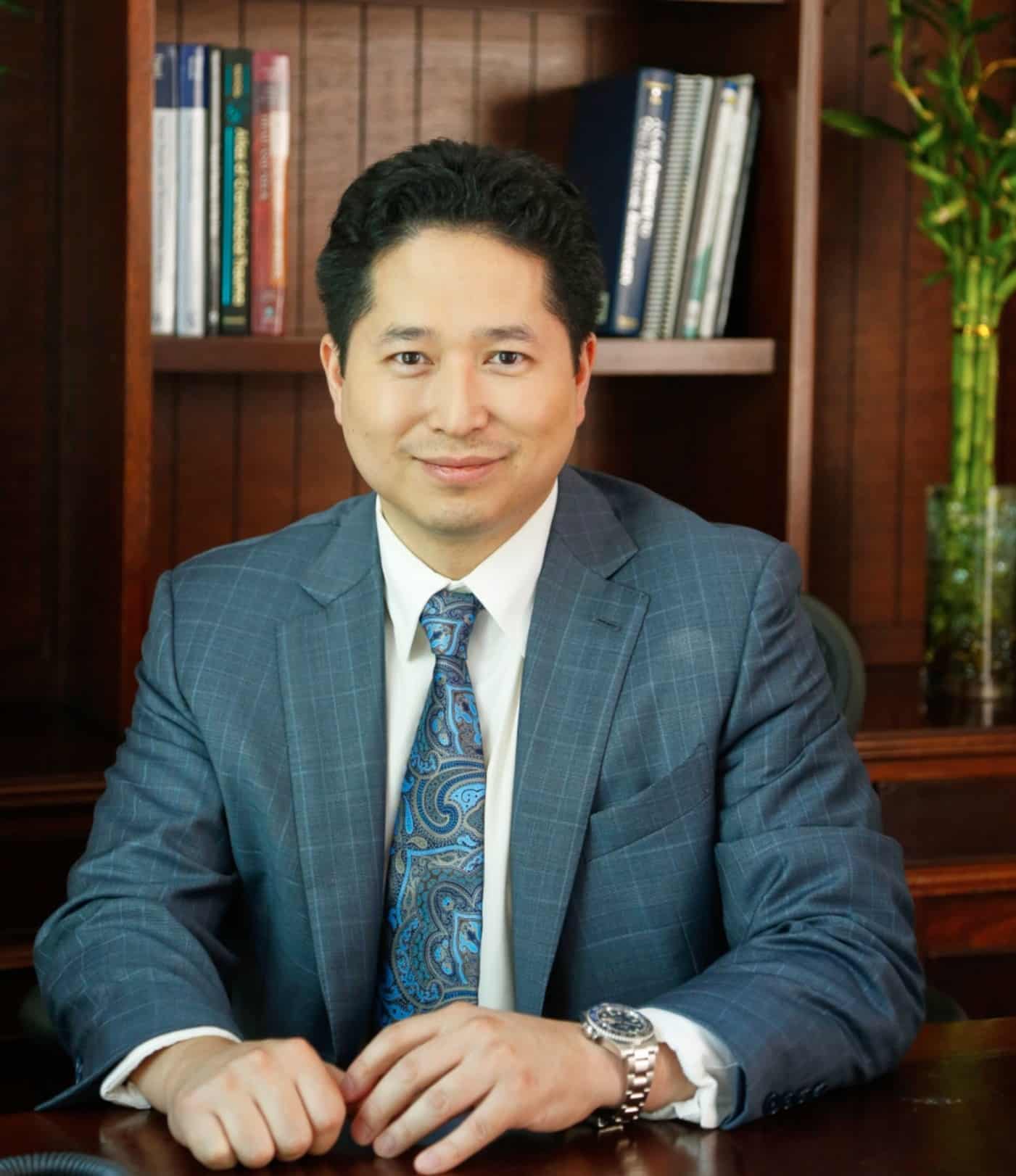
Get to know the surgeon behind Mao Facial Plastic Surgery.
Dr. Johnny Mao’s practice focuses on facial plastic and reconstructive surgery, with surgical and non-surgical options tailored to individual concerns. A consultation is the opportunity to discuss your features, your goals, and the care that may be appropriate for you.
Visit our Orange office to ask questions about treatment options, recovery, and follow-up, and learn more about Dr. Mao’s background and approach to care.
Treatment recommendations based on your anatomy, concerns, and desired outcome — never a one-size-fits-all approach.
Results designed to look natural and harmonious with your existing features rather than overdone.
Clear communication and support before, during, and after treatment so you always know what to expect.
Discuss your concerns and goals in a private, unhurried setting and learn about your options.
Receive a recommended treatment plan with realistic expectations and a clear timeline.
Our team is available throughout your recovery with follow-up visits and guidance.
Selected by Dr. Mao. Explore these featured transformations, then discover more patient results in our full gallery.
Showing 12 featured cases
A selection of Dr. Mao's patient results. Browse the full gallery for more before-and-after photos by procedure.
Case 6903 · Dorsal Hump and Finesse Tip
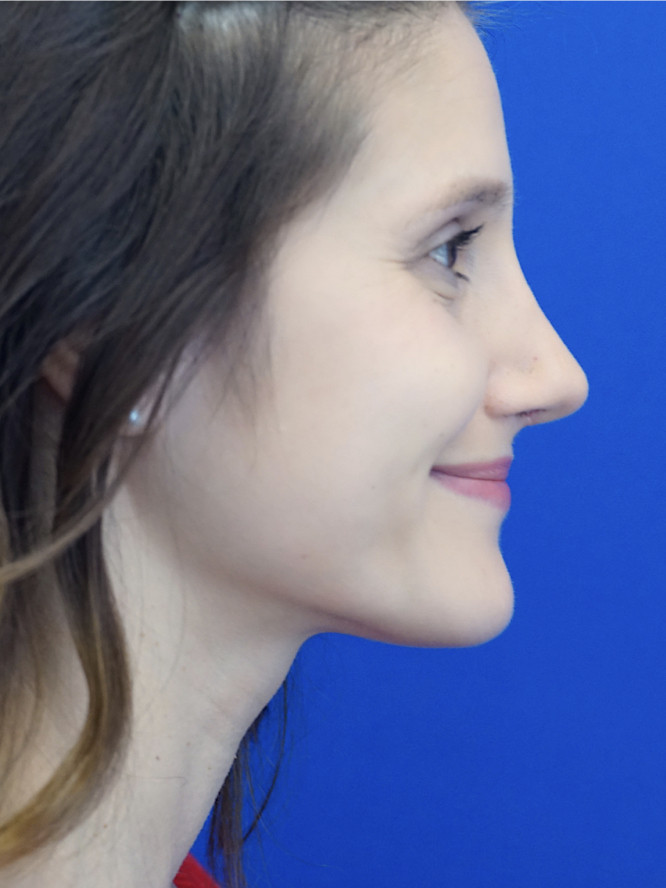
View case detailsCase 3291 · Nasal Profile Bliss
View case details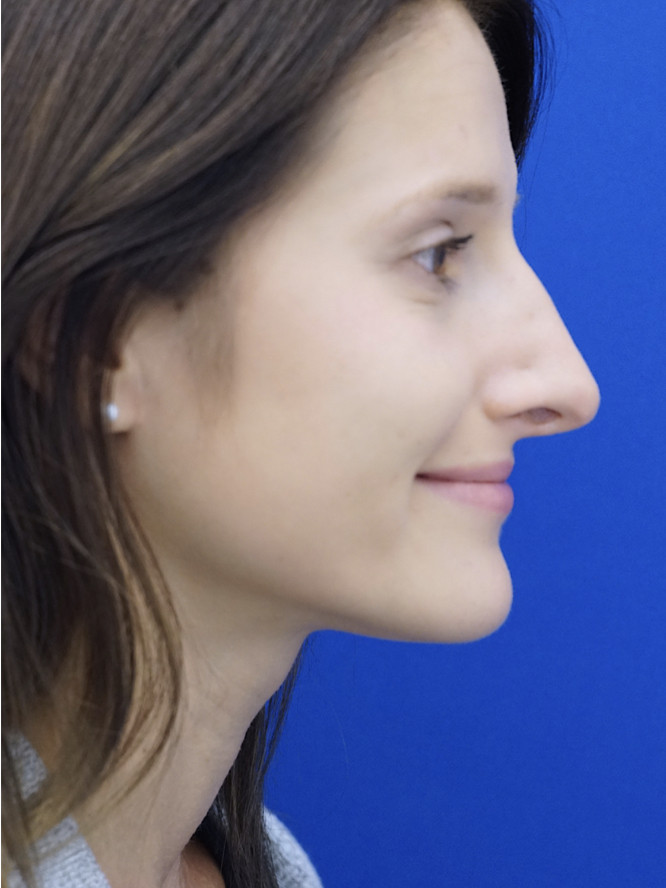
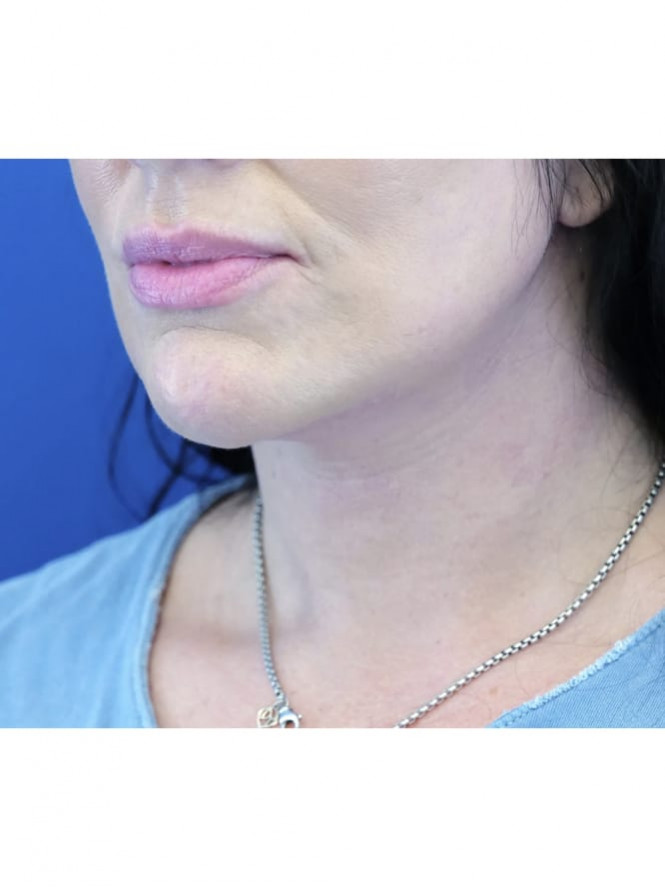
Case 6821 · Deep Plane Lower Facelift
View case details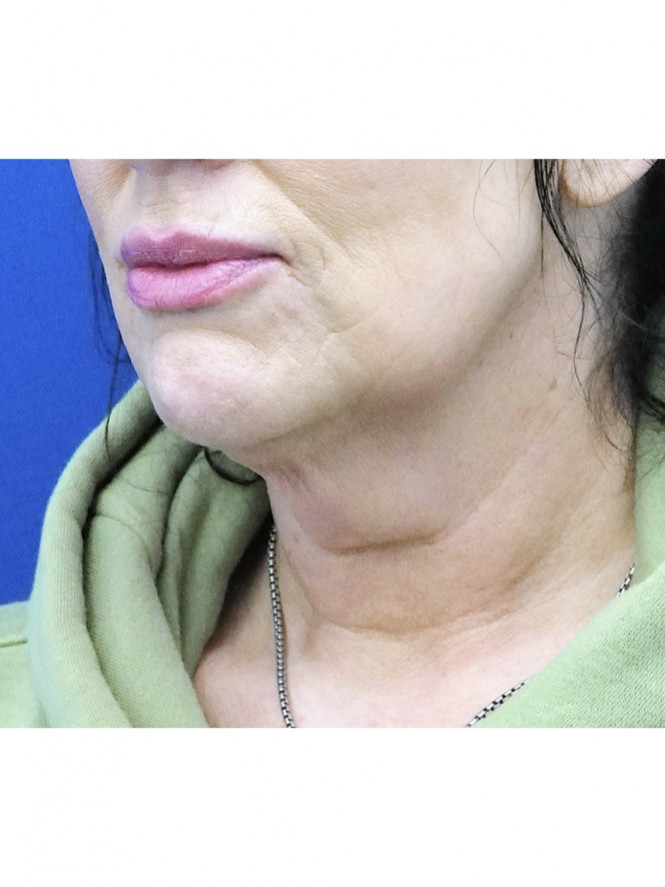
Case 5704 · Fantastic Facial Profile
View case details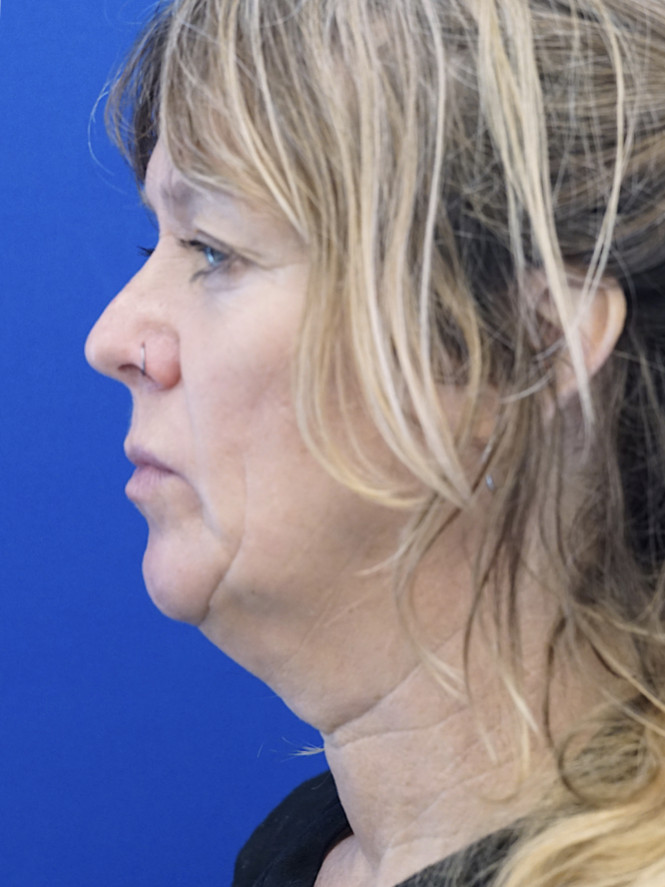
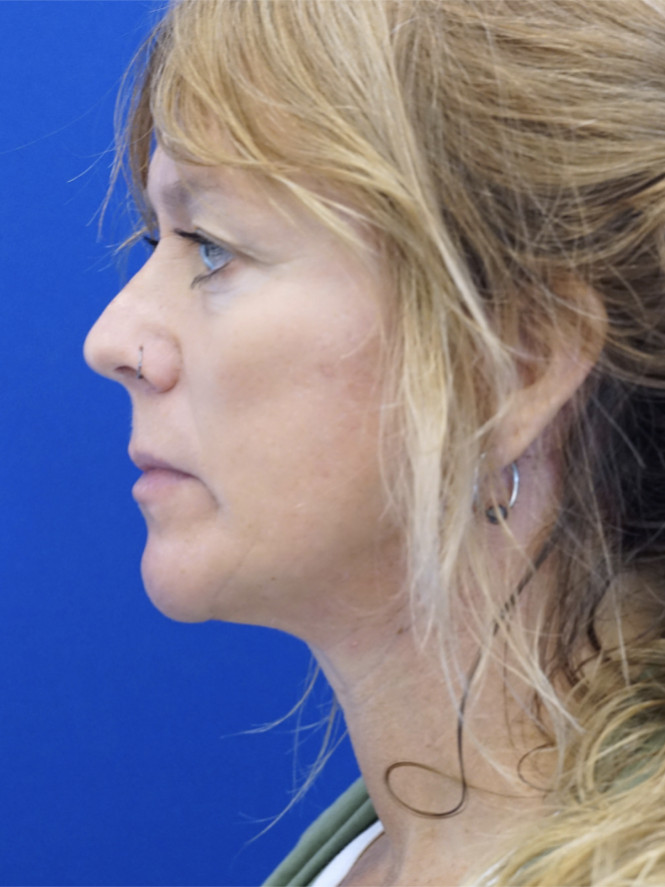
Case 7154 · Natural Result
View case details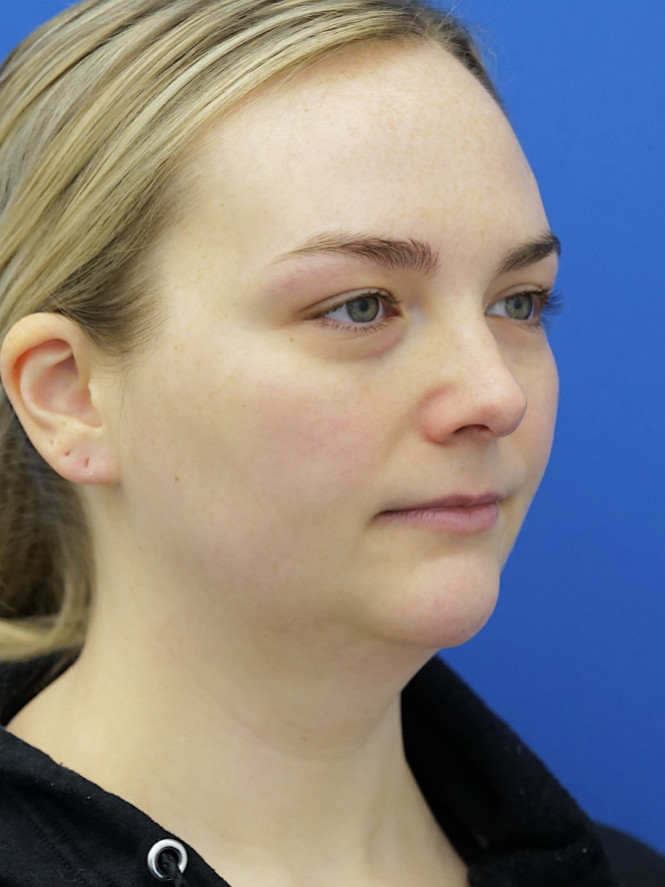
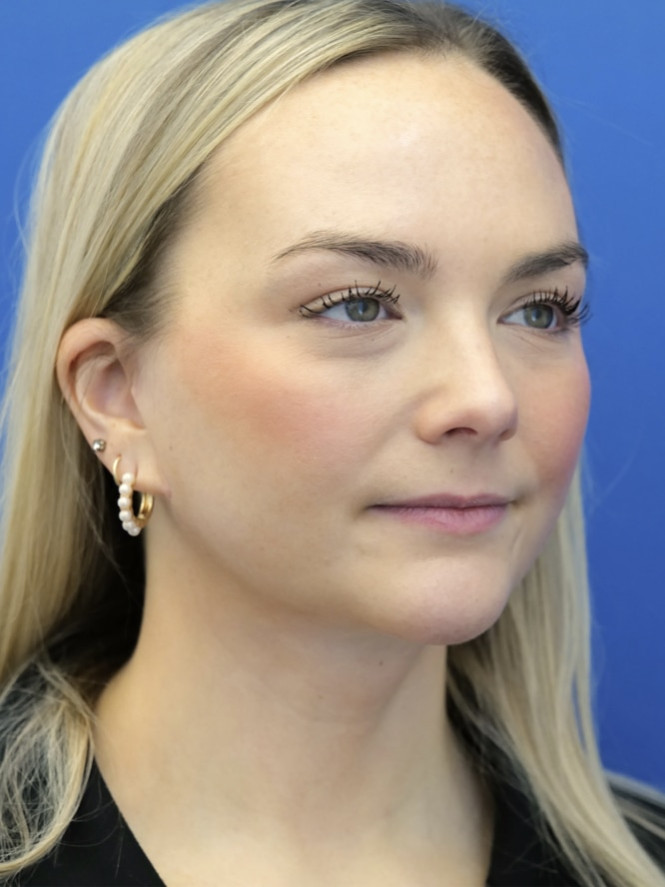
Case 6868 · Brow Fat Suspension
View case details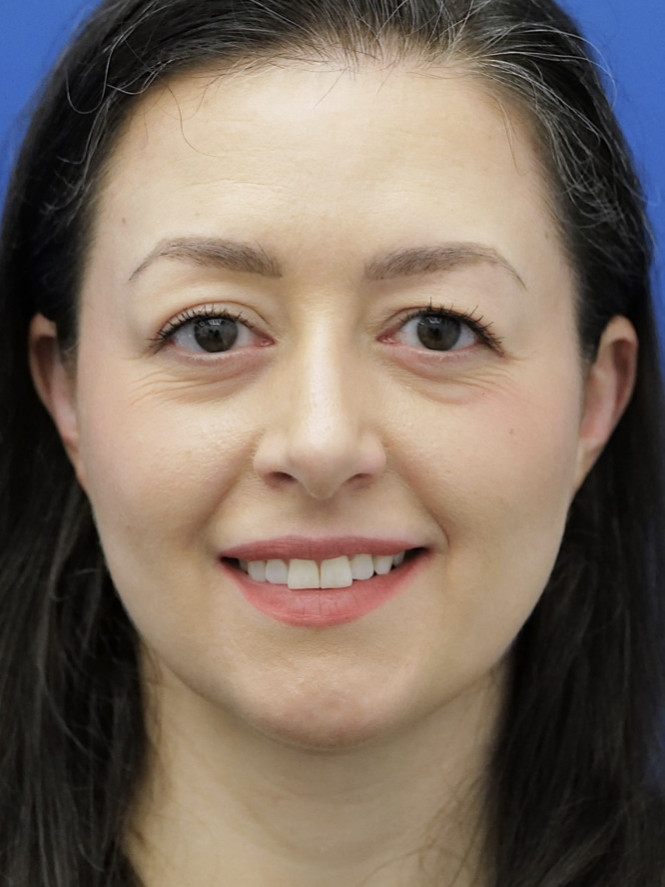
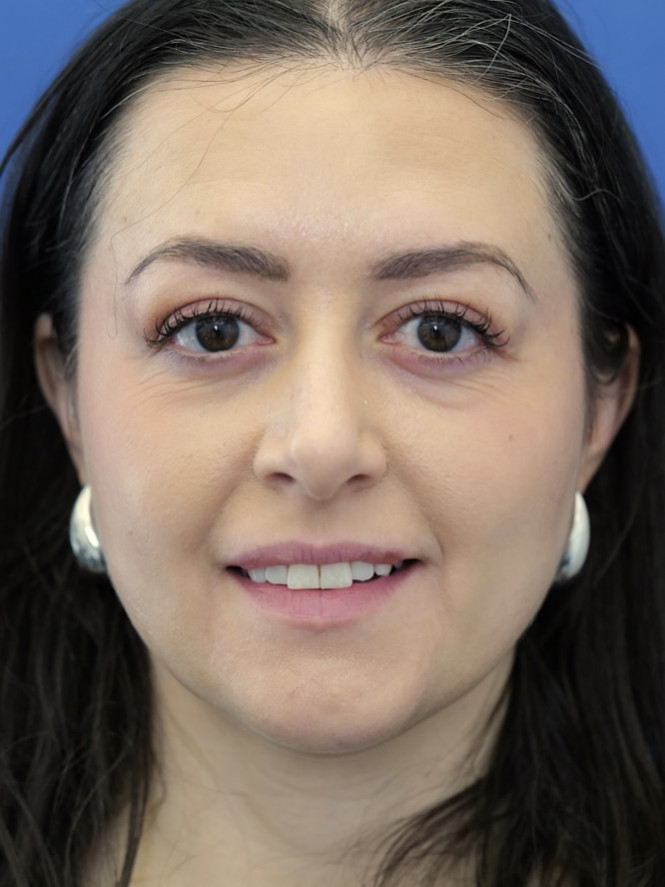
Case 7252 · Lower Lid Fat Reposition
View case details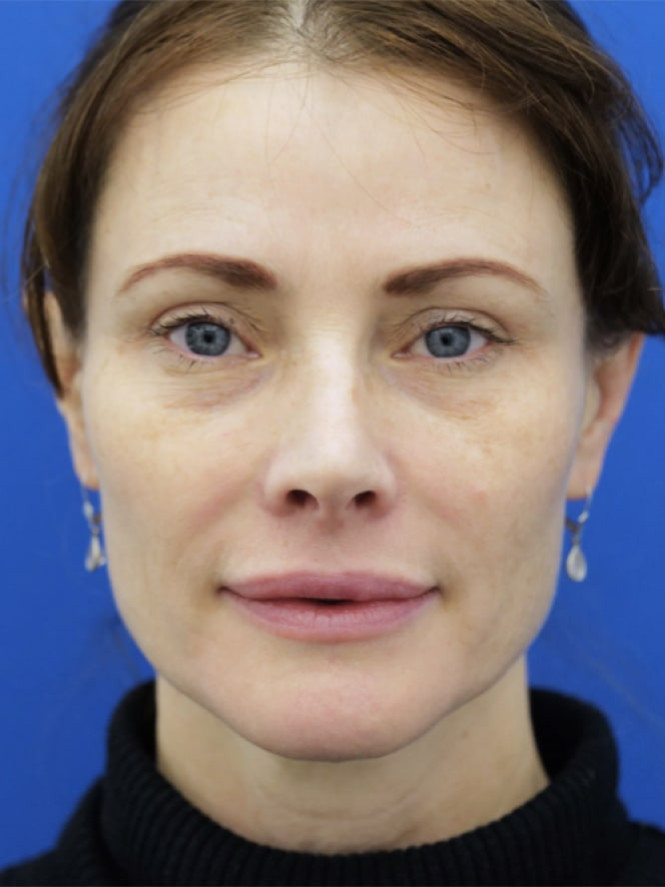
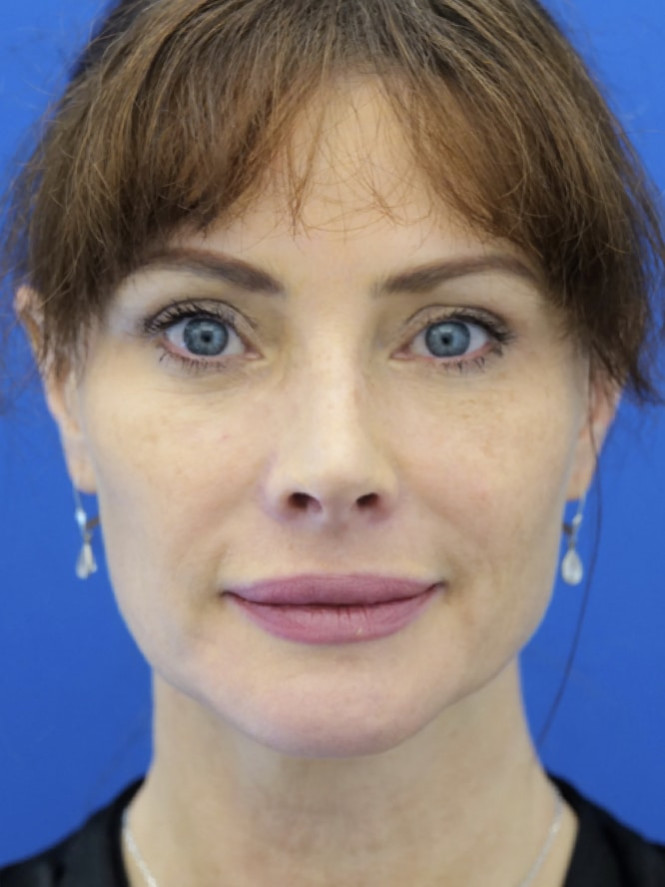
Case 6655 · Endoscopic Browlift, Quad Blepharoplasty
View case details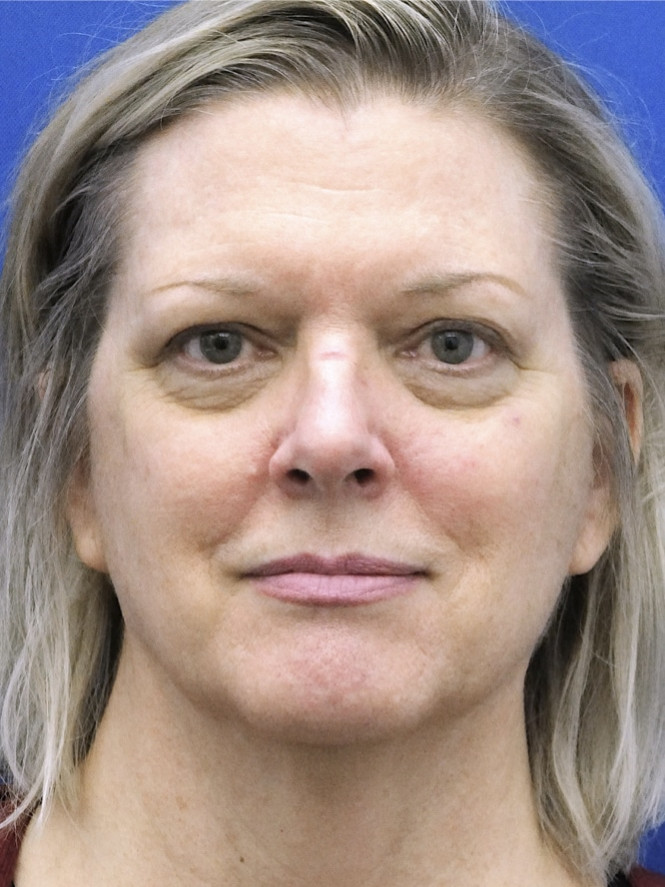
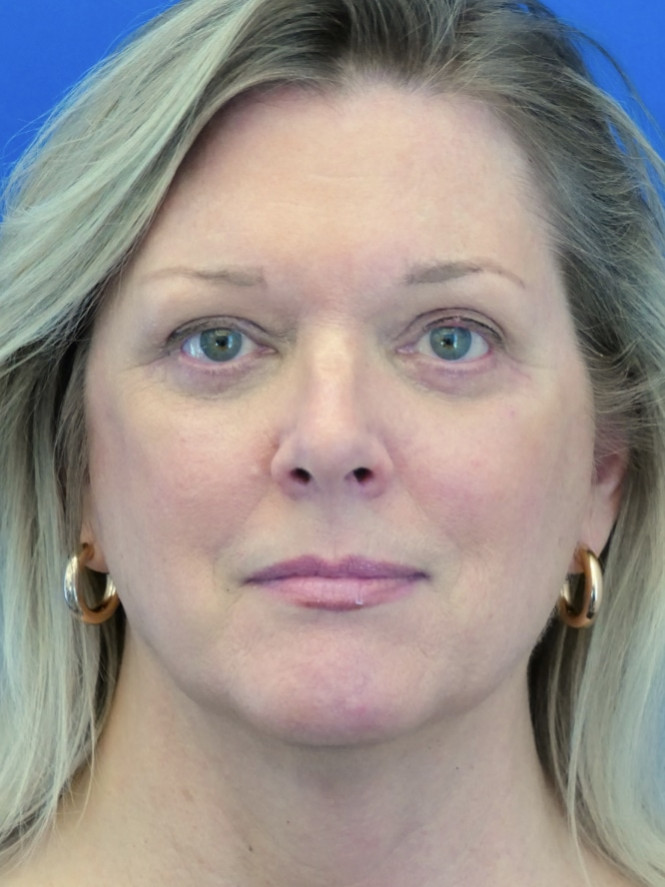
Case 2323 · Vertical Lengthening Chin*
View case details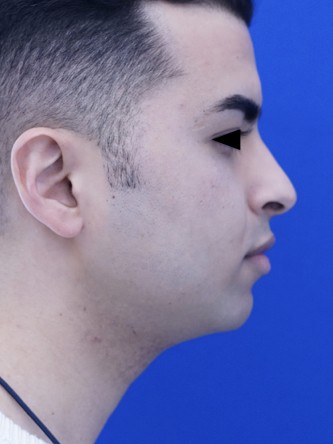
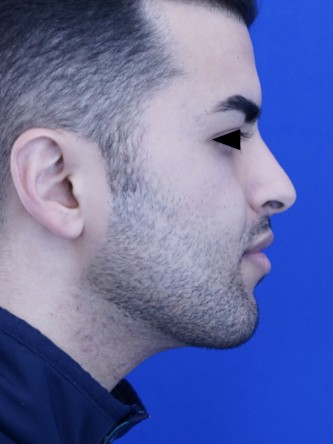
Case 6966 · Ridge Creation and Setback
View case details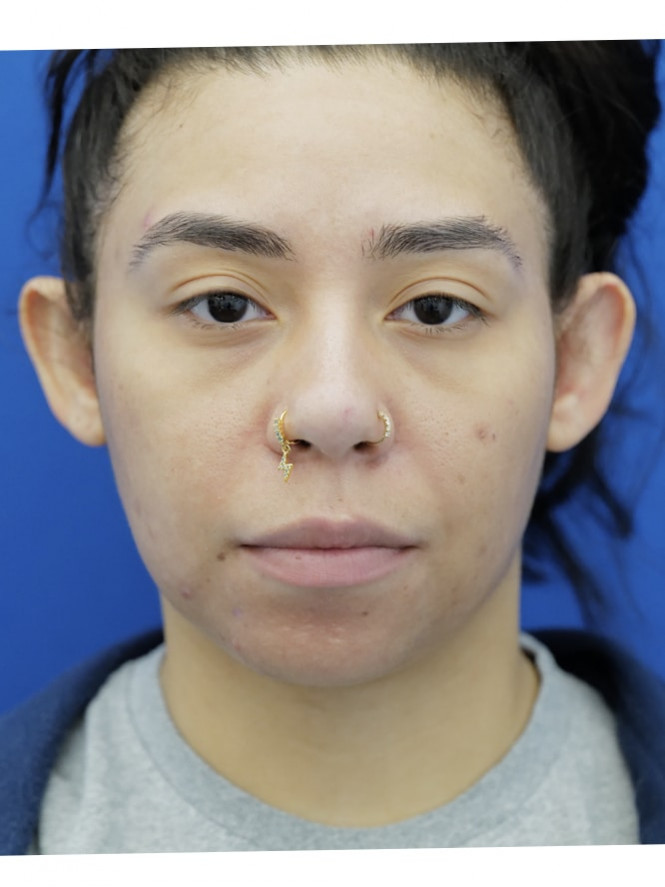
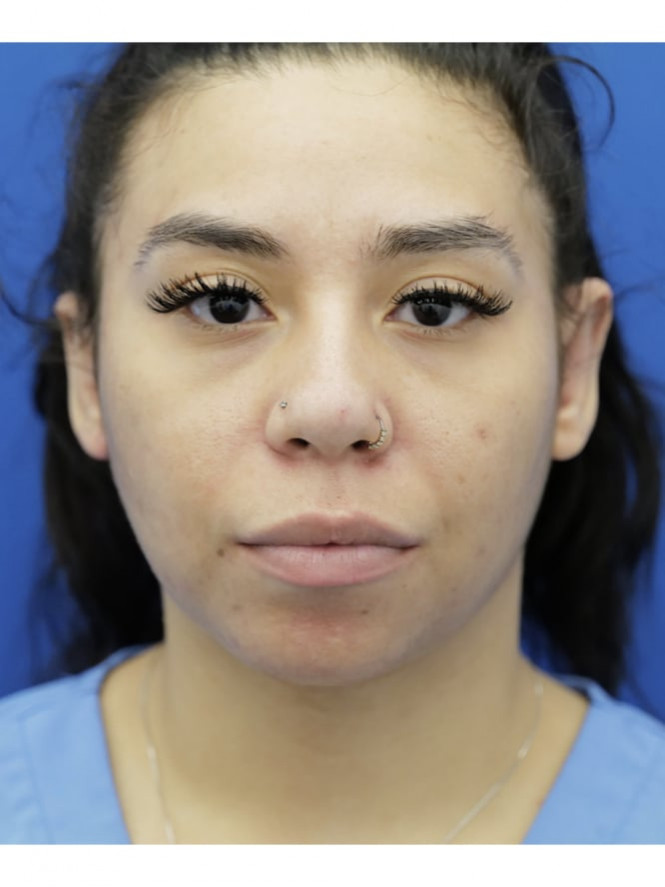
Case 7561 · Awesome Jawline
View case details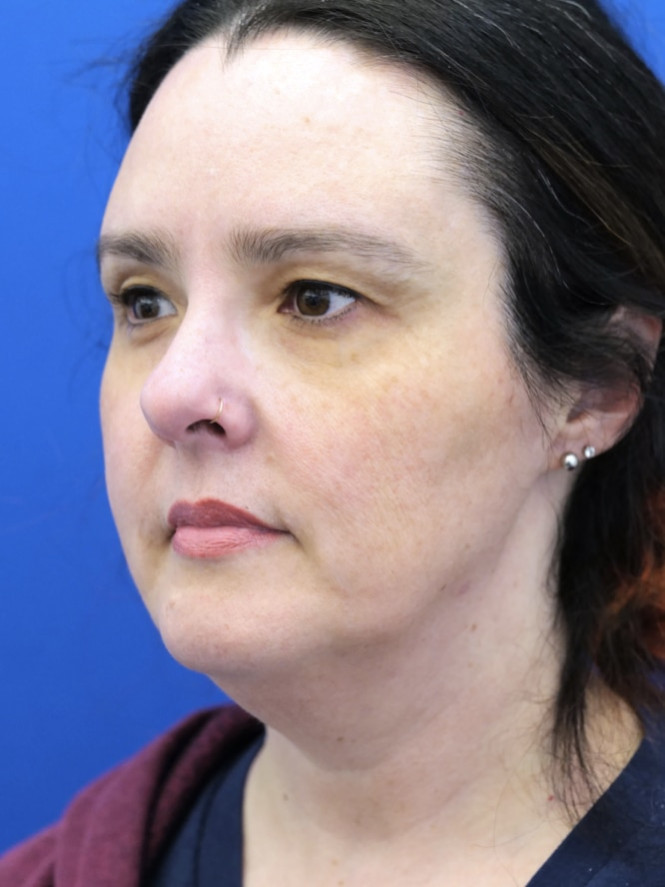
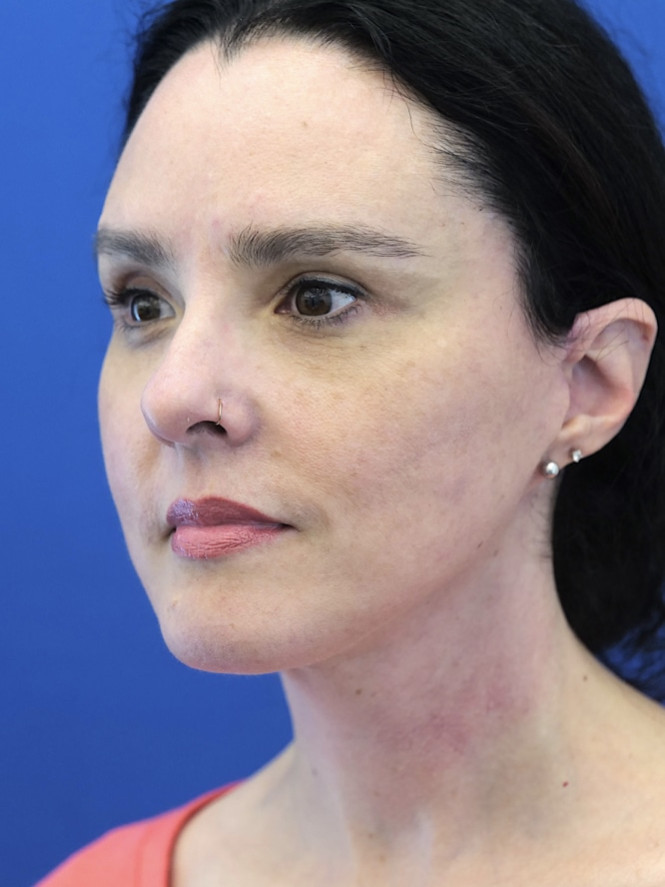
Case 7566 · Preserving Tip Surface Aesthetics
View case details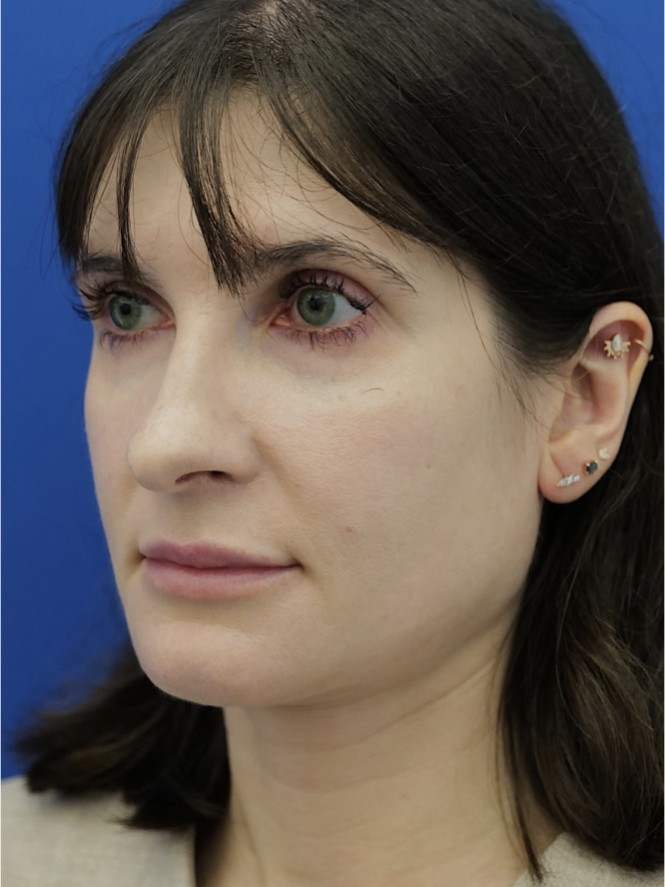
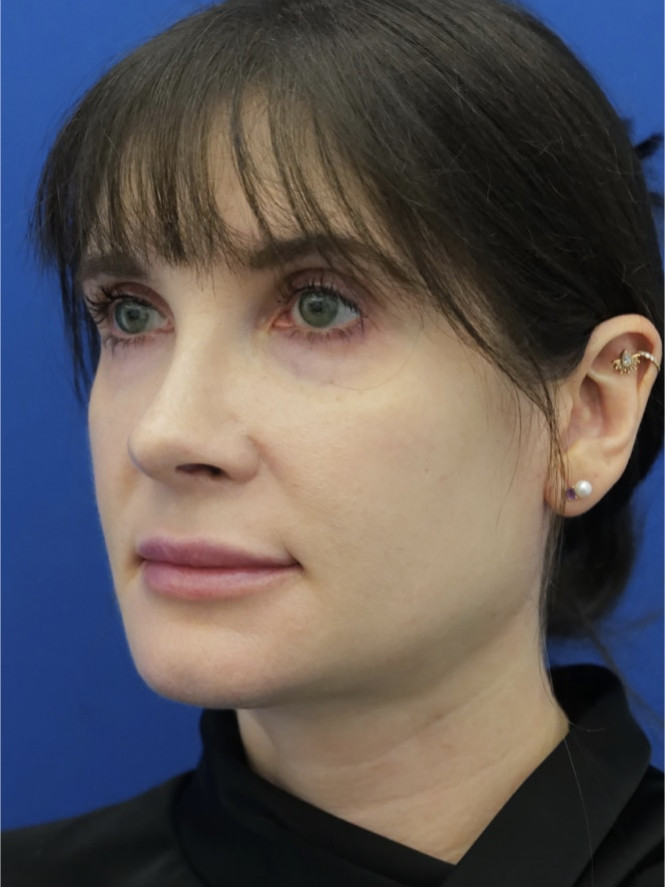
Individual results vary.
Explore other options as part of an individualized treatment discussion.
Injectables, fillers, and laser treatments remain available for patients exploring non-surgical care. Your consultation can help clarify which options fit your goals.
Explore Non-Surgical Options/// FIND THE RIGHT INJECTABLE FOR YOU
Read patient feedback published by the practice and on independent review platforms.
Patient feedback includes experiences with facelift, rhinoplasty, eyelid surgery, otoplasty, and revision procedures.
Read practice testimonialsPublished feedback also covers injectable treatments, liquid rhinoplasty, BOTOX®, fillers, and laser services.
Read practice testimonialsVisit Dr. Mao's RealSelf profile for additional patient reviews and procedure information.
View RealSelf reviewsWelcoming patients from Branford, Cheshire, East Haven, Fairfield, Milford, North Haven, Orange, Shelton, Southport, Weston, Westport, Wilton, Woodbridge, New Canaan, Darien, and surrounding Connecticut communities.
Mao Facial Plastic Surgery 200 S Orange Center Rd
Meet with Dr. Johnny Mao to discuss your aesthetic goals and available facial rejuvenation options.
Request a Consultation Call (203) 907-0501