Rhinoplasty
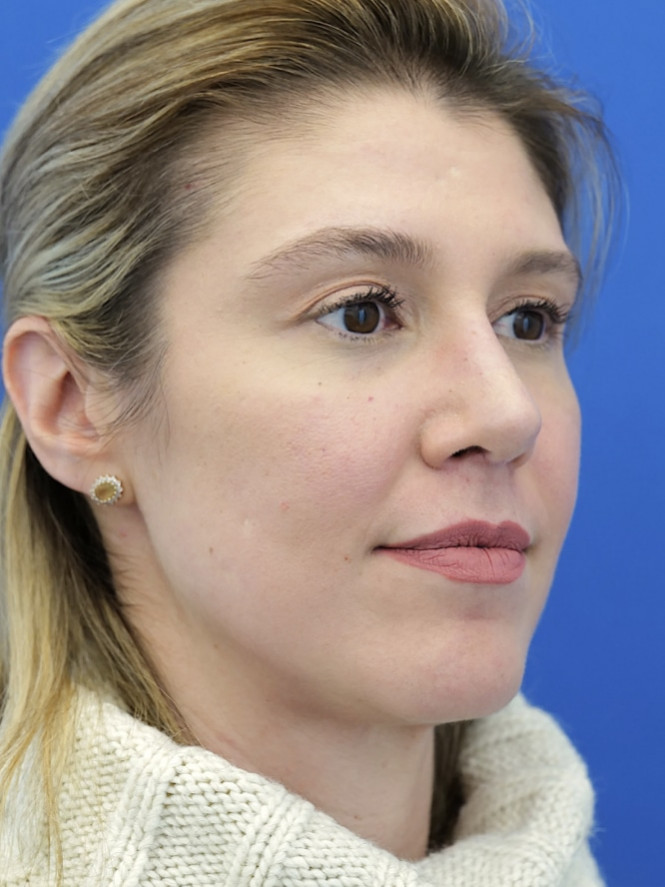
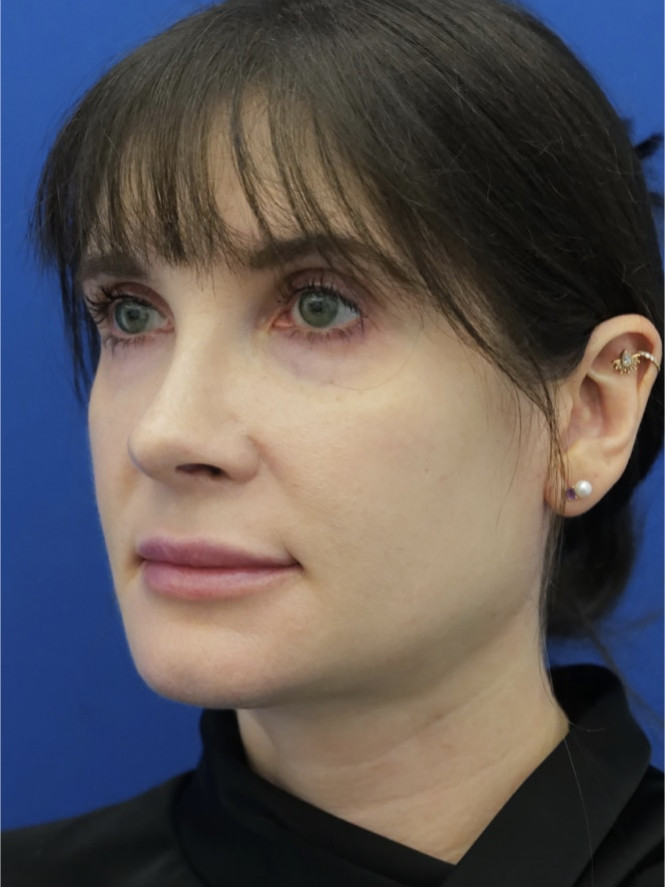
Case 6903 · Dorsal Hump and Finesse Tip
View case details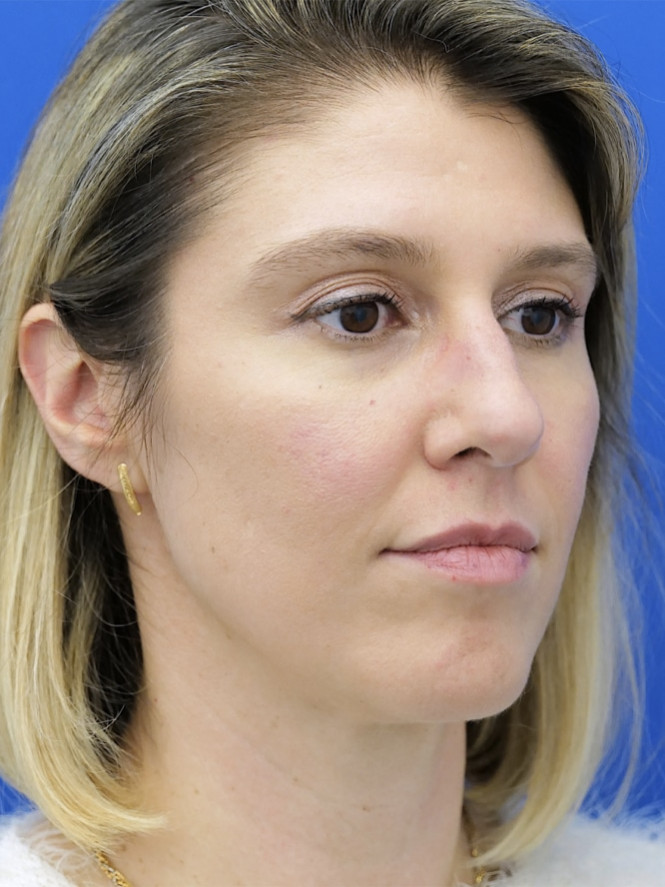

Rhinoplasty, or nose surgery, is one of the most common cosmetic procedures out there. Despite its popularity, several myths surround this surgery that can lead to misunderstandings. In this blog, we’ll debunk some of these myths and provide you with clear, accurate information about rhinoplasty.
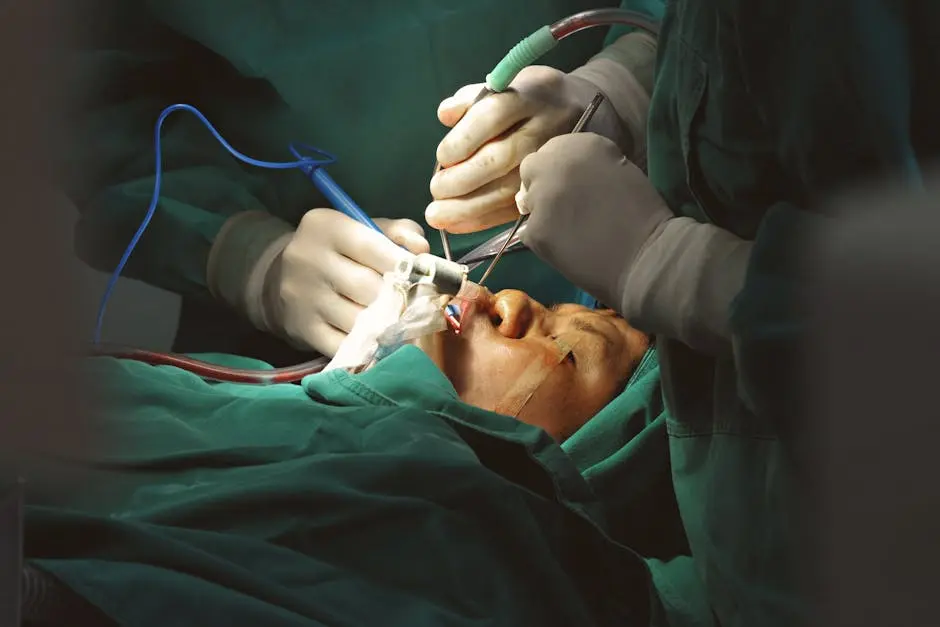
Many believe that rhinoplasty is purely cosmetic, but it can also correct breathing issues and other medical problems.
In fact, many patients seek rhinoplasty primarily to improve their nasal function. Deviated septums or nasal obstructions can lead to discomfort and health complications, affecting one’s overall quality of life. Addressing these issues, while enhancing appearance, makes rhinoplasty a dual-purpose surgery.
Moreover, the ability to breathe freely can significantly impact daily activities, including exercise and sleep. When you think about rhinoplasty, whether for aesthetic or functional reasons, it’s crucial to consult with a knowledgeable surgeon who can tailor the procedure to meet your specific needs.
While discomfort is expected, most patients report manageable pain levels after surgery.
Thanks to advances in surgical techniques and anesthesia, the pain associated with rhinoplasty is often much less than what is commonly perceived. Many surgeons use less invasive methods that minimize trauma to the tissues, helping to reduce post-operative discomfort.
Pain management is also an integral part of the recovery process. Patients are typically prescribed medication to alleviate any discomfort, and following post-operative care instructions can lead to a smoother experience overall.
So, while some discomfort post-surgery is normal, the outdated notion that rhinoplasty is excruciatingly painful is largely exaggerated. Many individuals even feel pleasantly surprised by how tolerable their experience is.
The final results of rhinoplasty can take time to fully develop, often several months, as swelling subsides.
In the immediate aftermath of the operation, the nose may appear larger or more swollen due to the natural healing process. This temporary puffiness can mask the true results of the surgery, leading some to believe that the outcome wasn’t what they expected.
Patience is key; subtle changes will gradually reveal the new shape as scar tissue heals over time. Full results can take up to a year, which is important for patients to keep in mind during their recovery journey.
Thus, immediate gratification isn’t a hallmark of rhinoplasty. Understanding this timeline can help manage expectations and encourage a more positive recovery experience.
People of all ages can undergo rhinoplasty, as long as they are healthy and have realistic expectations.
This means that whether you’re a teenager looking to enhance your features or an older adult seeking to reverse the signs of aging, rhinoplasty can be a suitable option. The main consideration is that the nasal structure is fully developed, which usually occurs in late adolescence.
Moreover, many people find themselves contemplating rhinoplasty in later years as a means to rejuvenate their appearance or improve their breathing problems that have developed over time. Age should not deter someone from pursuing their aesthetic goals or improving their health.
Ultimately, rhinoplasty can be beneficial for anyone, regardless of age, as long as individuals approach the decision with thoughtful consideration and proper guidance from professionals.
Selecting a qualified and experienced surgeon is crucial, as rhinoplasty is a complex procedure requiring specialized skills.
It’s a common misconception that any surgeon can perform this surgery. In reality, rhinoplasty involves intricate techniques that balance form and function, meaning not every surgeon is well-equipped to achieve desired results.
Prospective patients should look for board-certified plastic surgeons or otolaryngologists with extensive experience in performing rhinoplasty specifically. Examining patient reviews, before-and-after photos, and consulting with multiple specialists can help ensure a well-informed choice.
Ultimately, the surgeon’s expertise plays a significant role in both the outcome of the surgery and the overall experience of the patient.
Understanding the truth behind rhinoplasty myths is essential for anyone considering this procedure. Don’t let misconceptions sway your decision; arm yourself with the right knowledge.
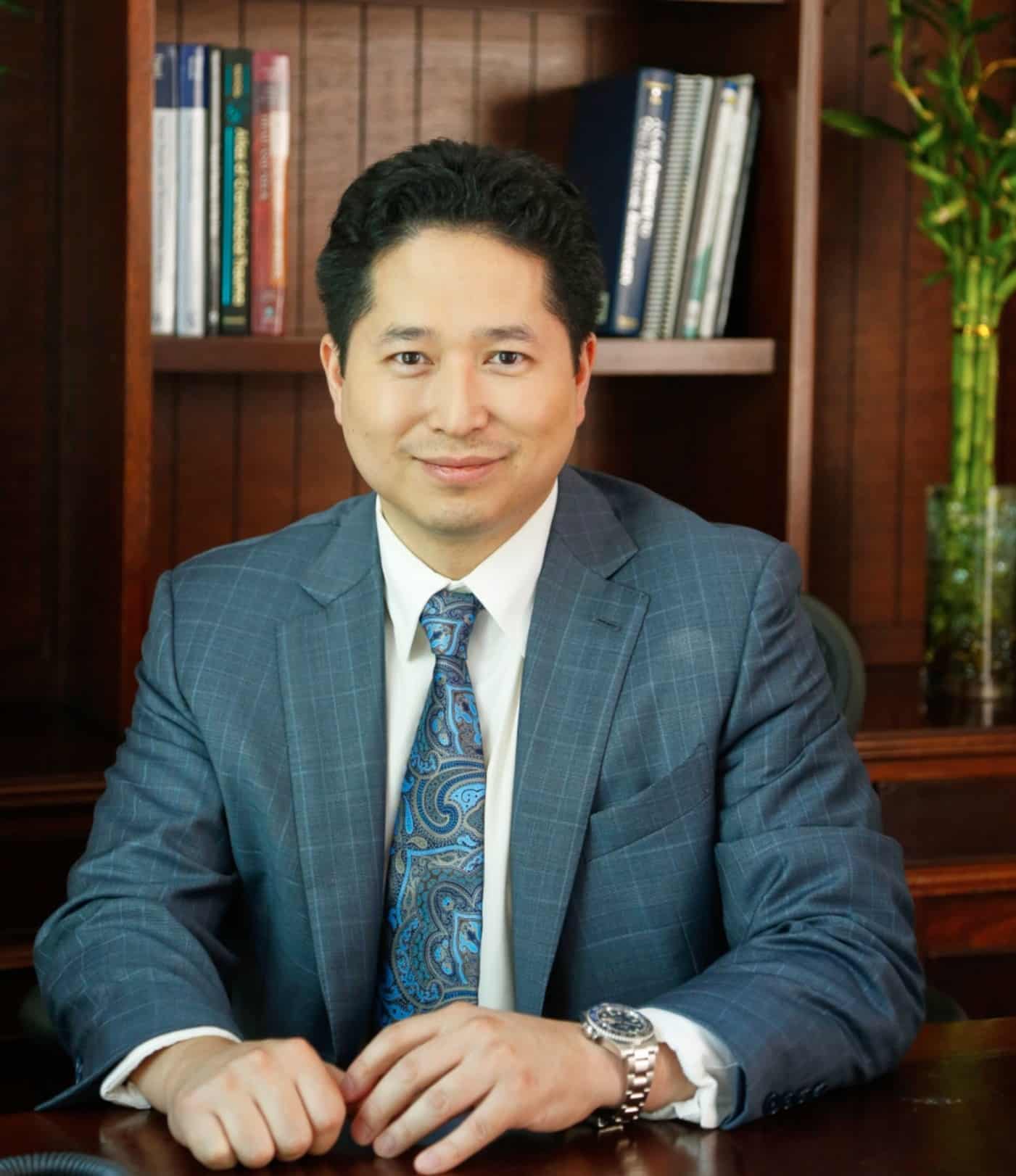
Get to know the surgeon behind Mao Facial Plastic Surgery.
Dr. Johnny Mao’s practice focuses on facial plastic and reconstructive surgery, with surgical and non-surgical options tailored to individual concerns. A consultation is the opportunity to discuss your features, your goals, and the care that may be appropriate for you.
Visit our Orange office to ask questions about treatment options, recovery, and follow-up, and learn more about Dr. Mao’s background and approach to care.
Treatment recommendations based on your anatomy, concerns, and desired outcome — never a one-size-fits-all approach.
Results designed to look natural and harmonious with your existing features rather than overdone.
Clear communication and support before, during, and after treatment so you always know what to expect.
Discuss your concerns and goals in a private, unhurried setting and learn about your options.
Receive a recommended treatment plan with realistic expectations and a clear timeline.
Our team is available throughout your recovery with follow-up visits and guidance.
Selected by Dr. Mao. Explore these featured transformations, then discover more patient results in our full gallery.
Showing 12 featured cases
A selection of Dr. Mao's patient results. Browse the full gallery for more before-and-after photos by procedure.
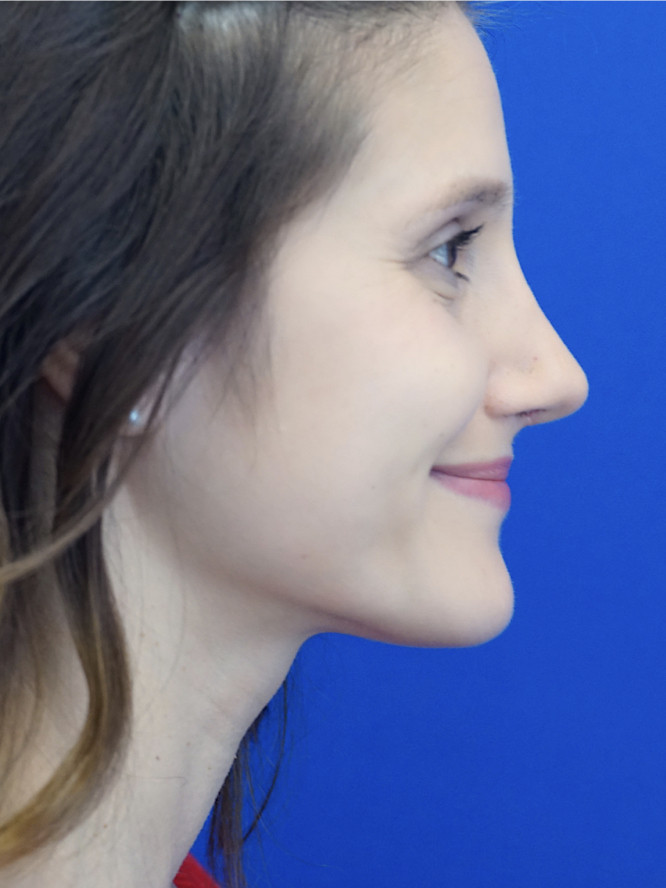
Case 6903 · Dorsal Hump and Finesse Tip
View case detailsCase 3291 · Nasal Profile Bliss
View case details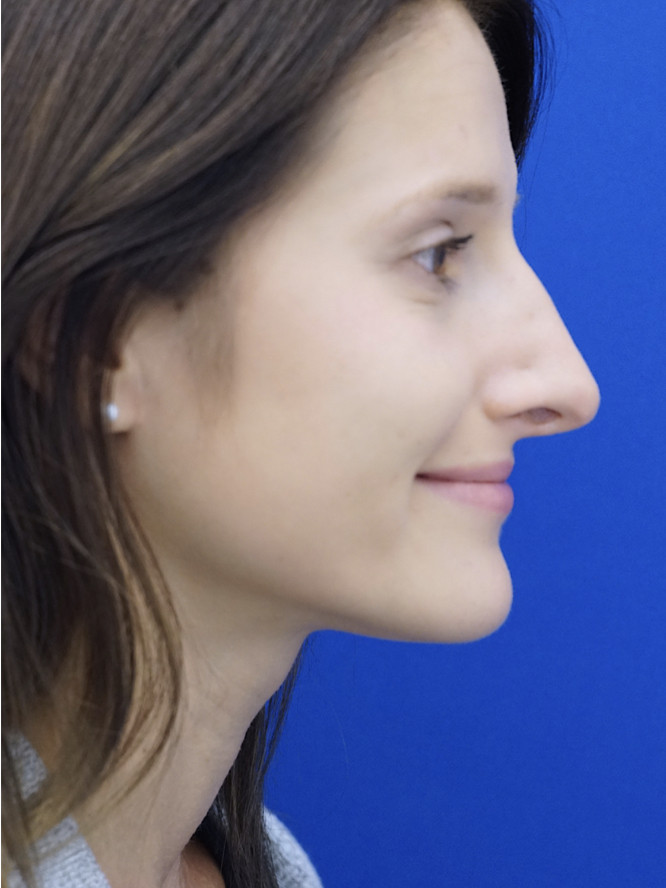
Case 6821 · Deep Plane Lower Facelift
View case details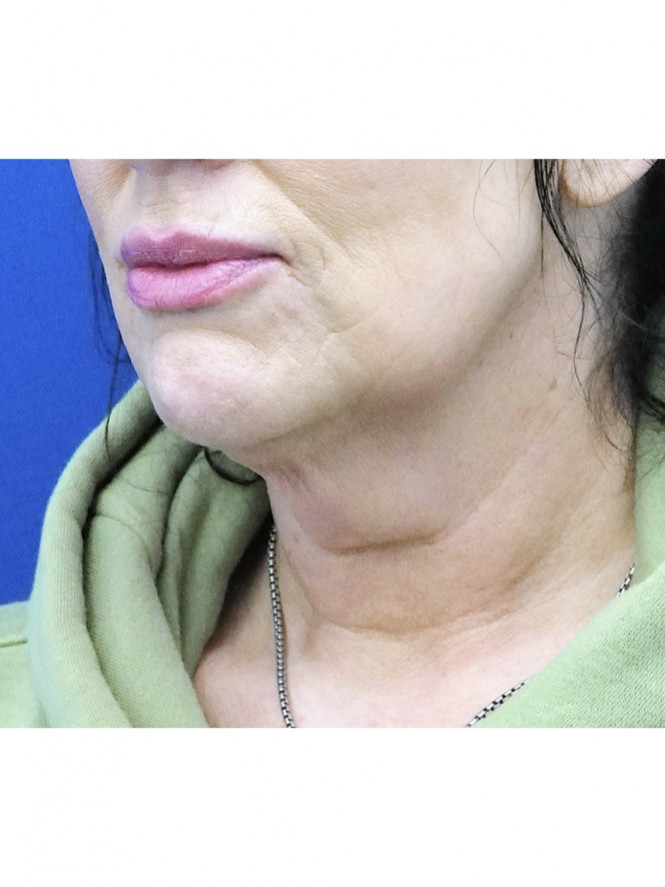
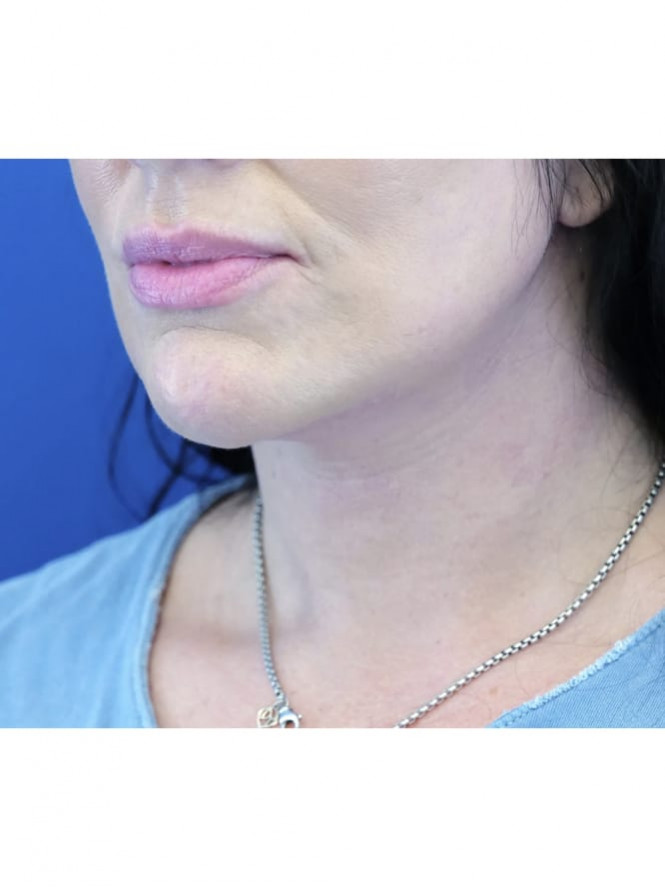
Case 5704 · Fantastic Facial Profile
View case details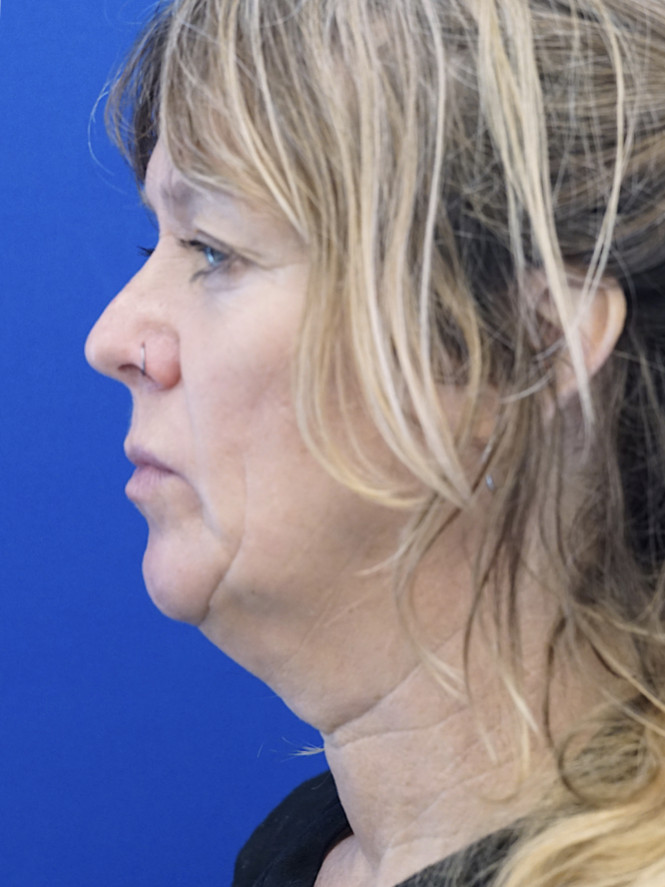
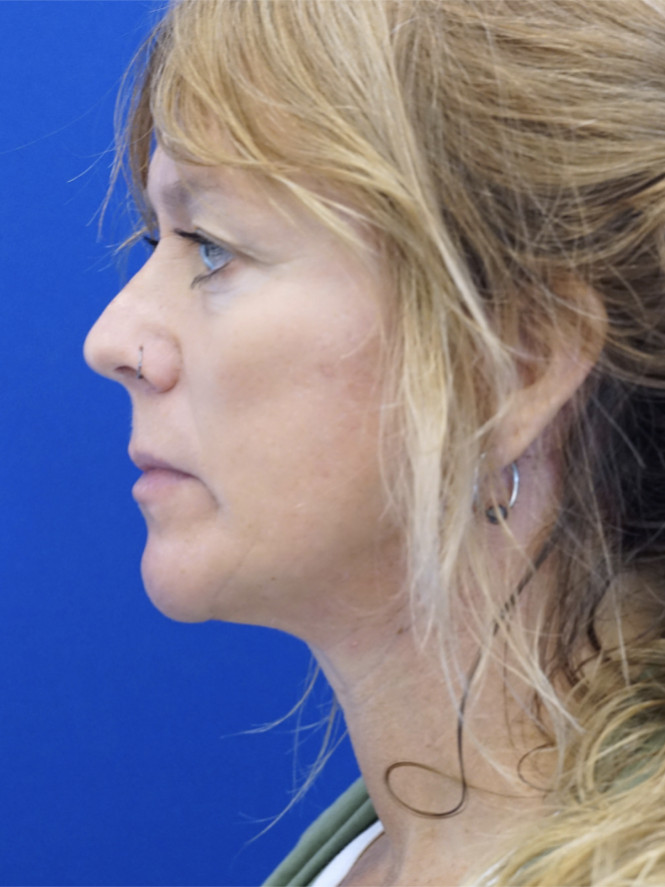
Case 7154 · Natural Result
View case details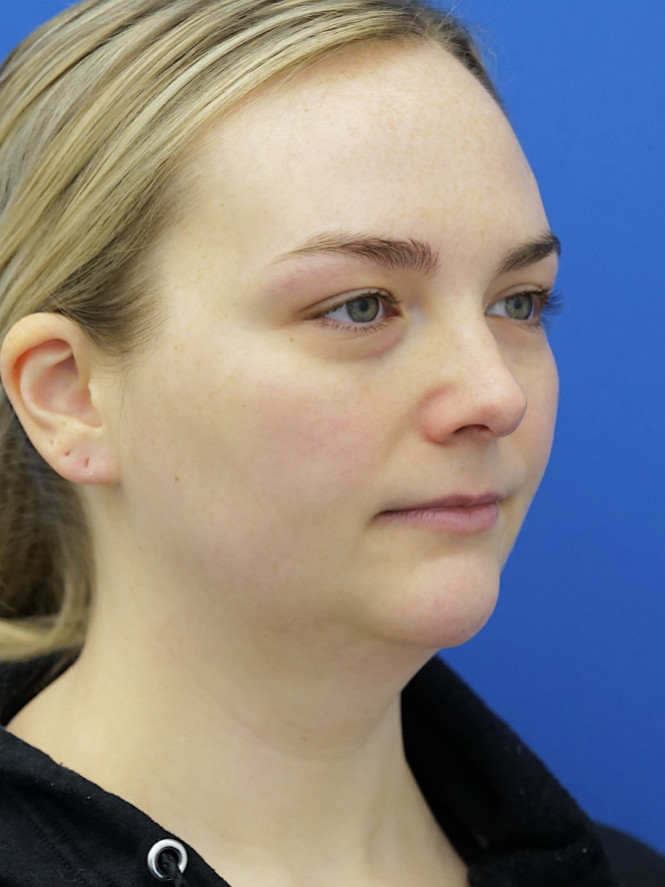
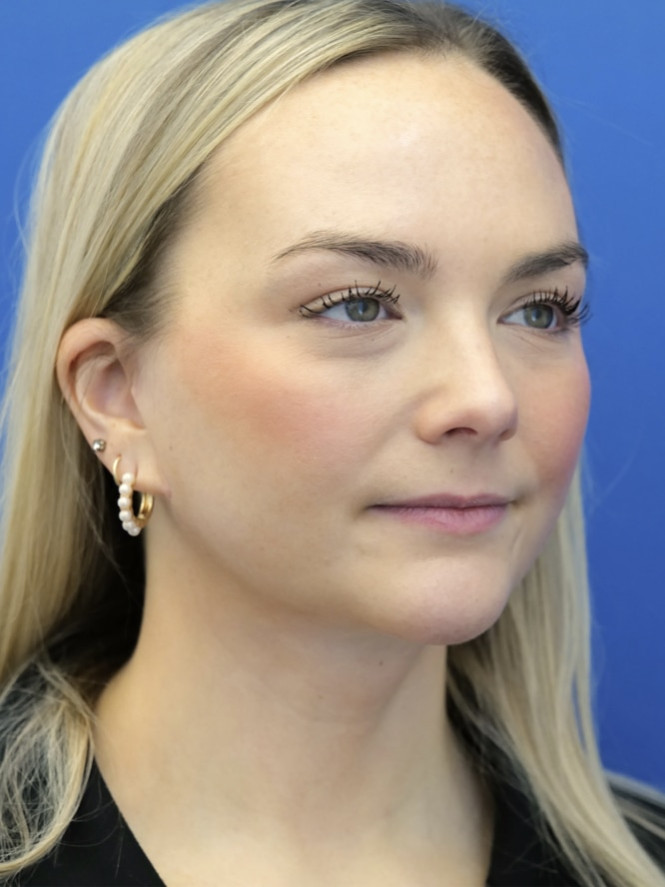
Case 6868 · Brow Fat Suspension
View case details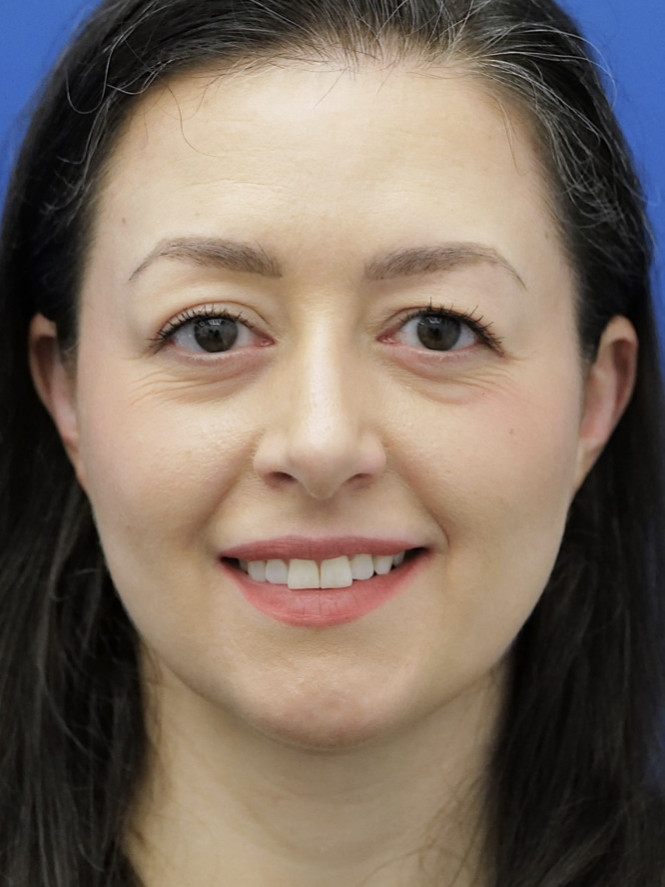
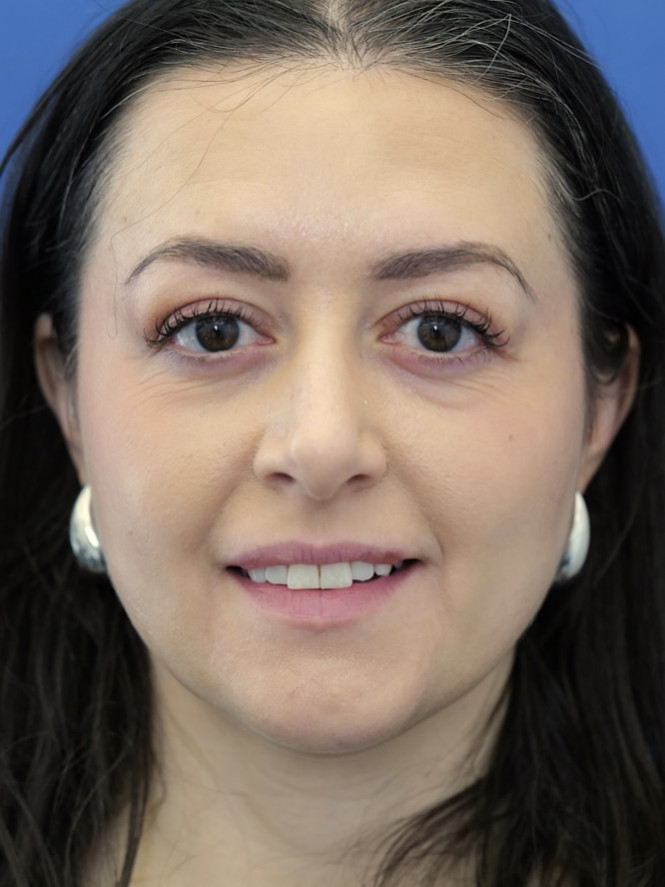
Case 7252 · Lower Lid Fat Reposition
View case details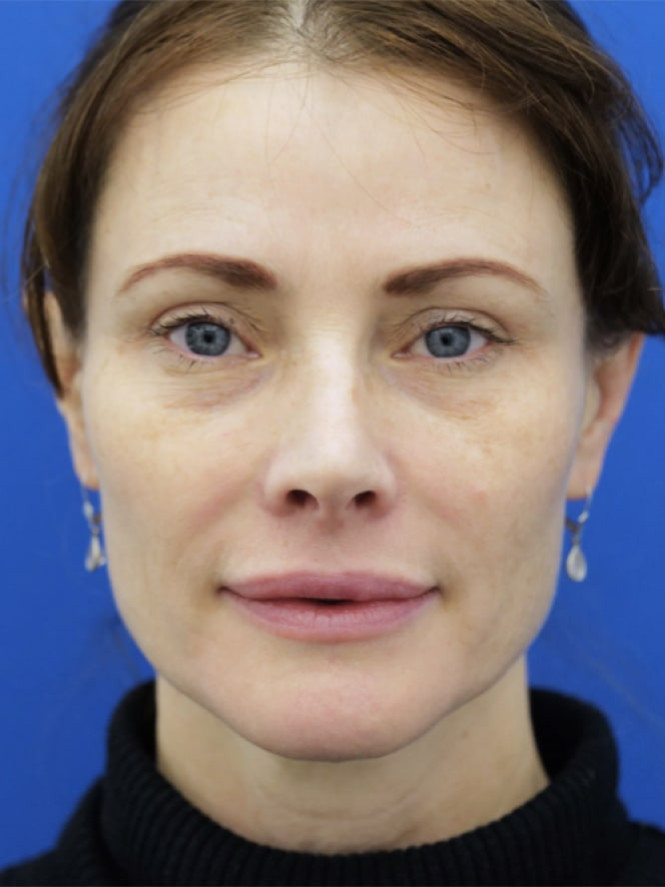
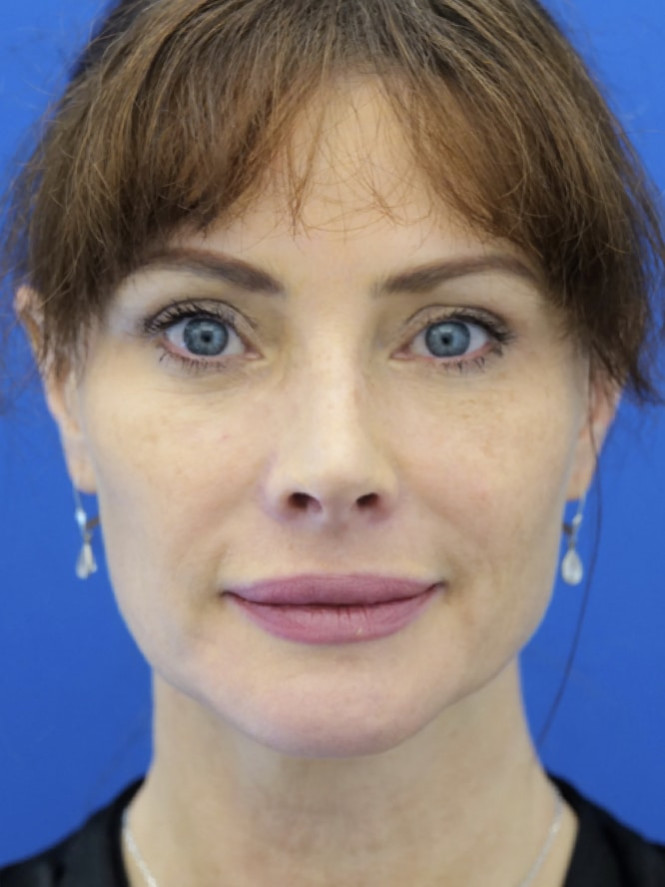
Case 6655 · Endoscopic Browlift, Quad Blepharoplasty
View case details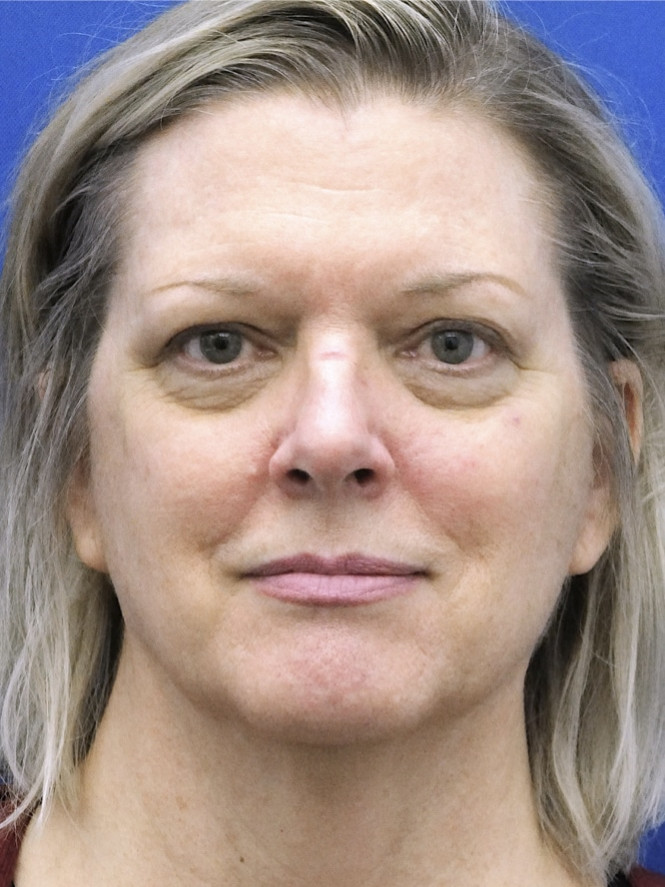
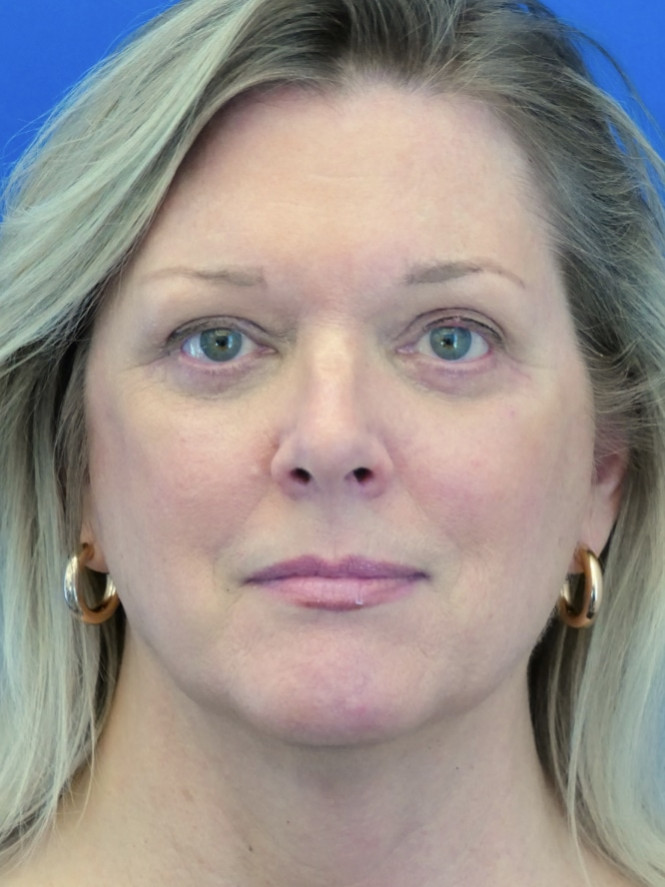
Case 2323 · Vertical Lengthening Chin*
View case details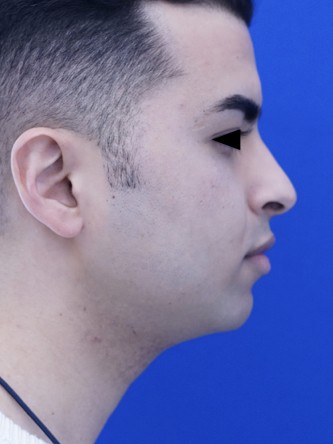
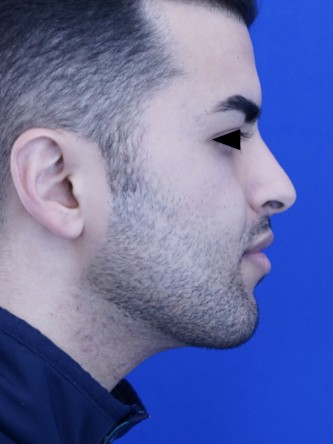
Case 6966 · Ridge Creation and Setback
View case details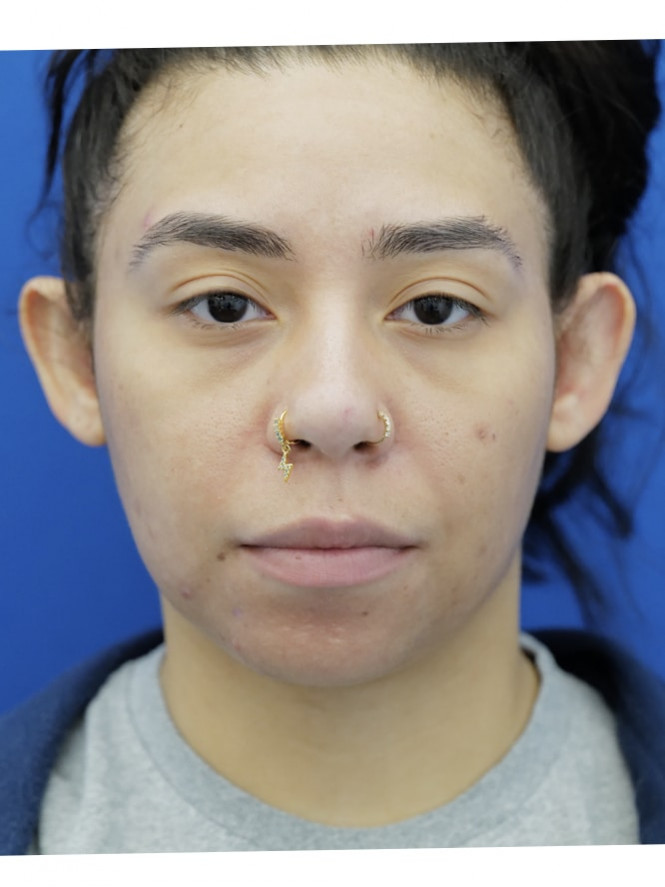
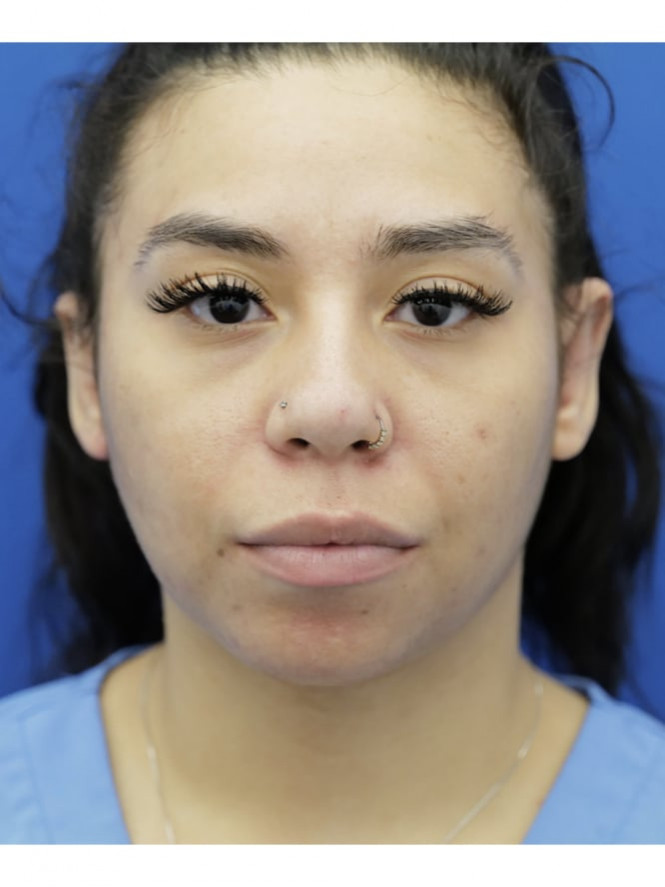
Case 7561 · Awesome Jawline
View case details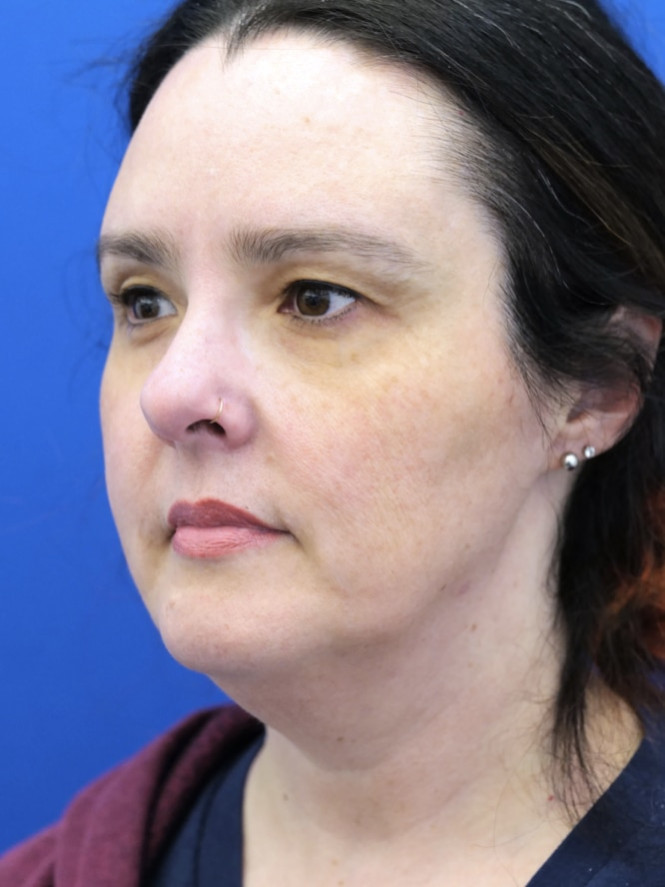
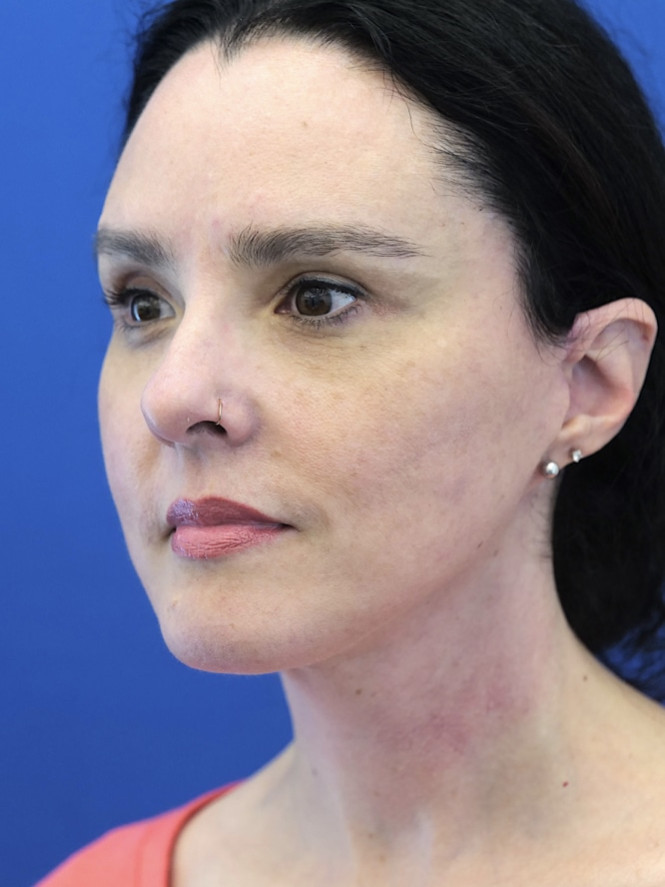
Case 7566 · Preserving Tip Surface Aesthetics
View case details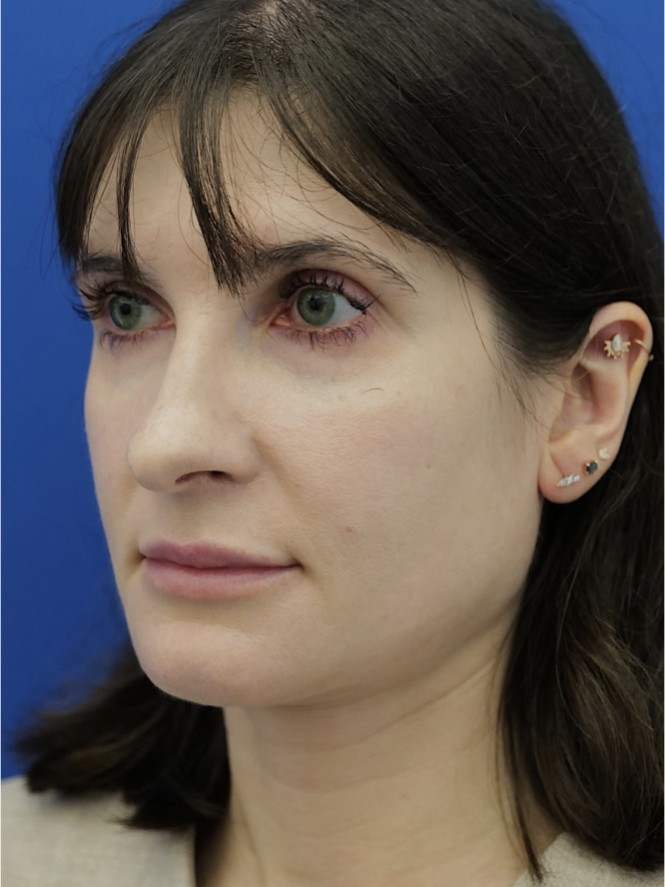
Individual results vary.
Explore other options as part of an individualized treatment discussion.
Injectables, fillers, and laser treatments remain available for patients exploring non-surgical care. Your consultation can help clarify which options fit your goals.
Explore Non-Surgical Options/// FIND THE RIGHT INJECTABLE FOR YOU
Read patient feedback published by the practice and on independent review platforms.
Patient feedback includes experiences with facelift, rhinoplasty, eyelid surgery, otoplasty, and revision procedures.
Read practice testimonialsPublished feedback also covers injectable treatments, liquid rhinoplasty, BOTOX®, fillers, and laser services.
Read practice testimonialsVisit Dr. Mao's RealSelf profile for additional patient reviews and procedure information.
View RealSelf reviewsWelcoming patients from Branford, Cheshire, East Haven, Fairfield, Milford, North Haven, Orange, Shelton, Southport, Weston, Westport, Wilton, Woodbridge, New Canaan, Darien, and surrounding Connecticut communities.
Mao Facial Plastic Surgery 200 S Orange Center Rd
Meet with Dr. Johnny Mao to discuss your aesthetic goals and available facial rejuvenation options.
Request a Consultation Call (203) 907-0501