Rhinoplasty
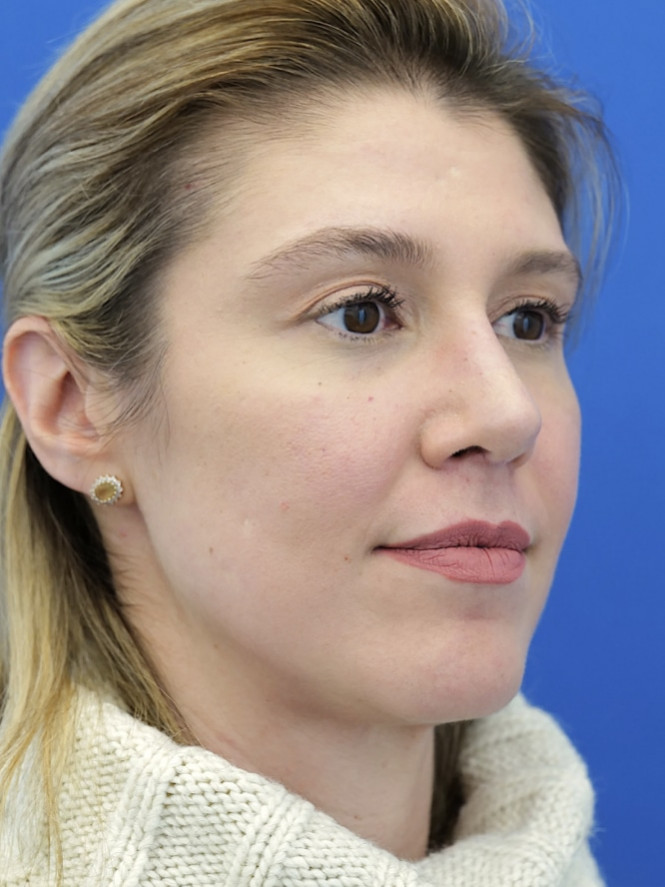
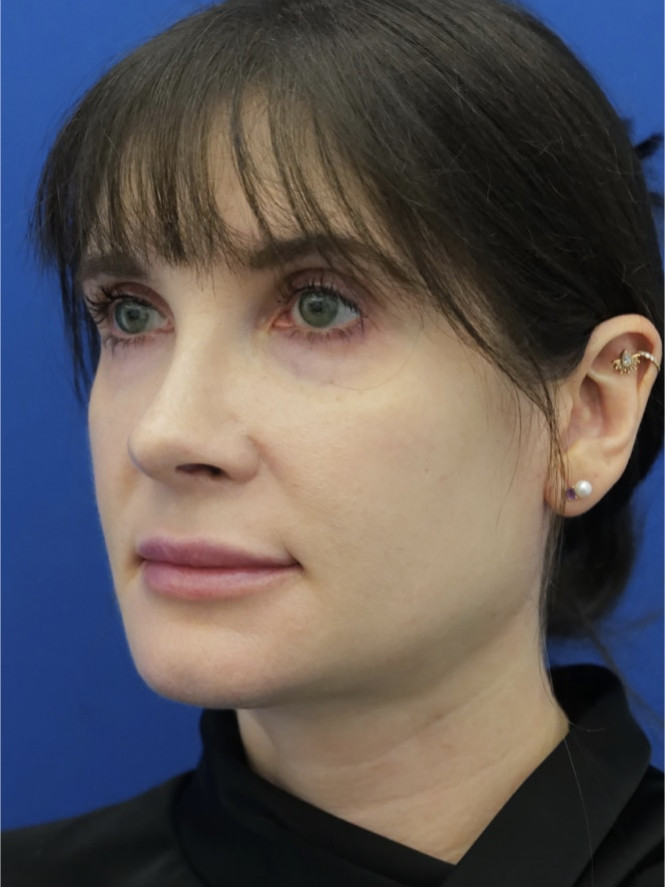
Case 6903 · Dorsal Hump and Finesse Tip
View case details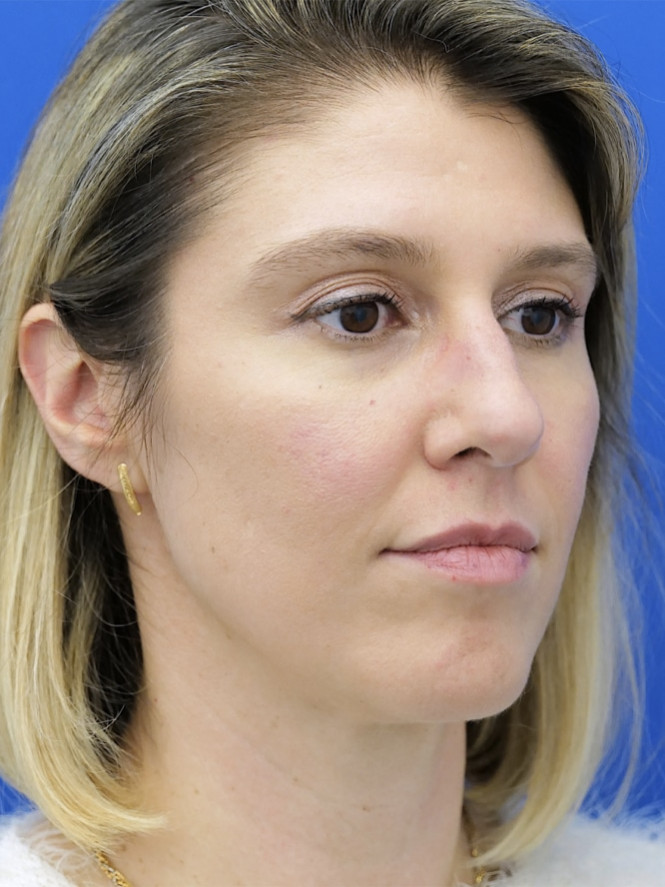

Considering rhinoplasty is a big decision, and finding the right surgeon is crucial. To ensure a successful outcome, asking the right questions can make all the difference. In this blog, we’ll cover the essential inquiries you need to make to your rhinoplasty surgeon before you go under the knife. These discussions will not only clarify the process but also help build your confidence in your chosen professional.
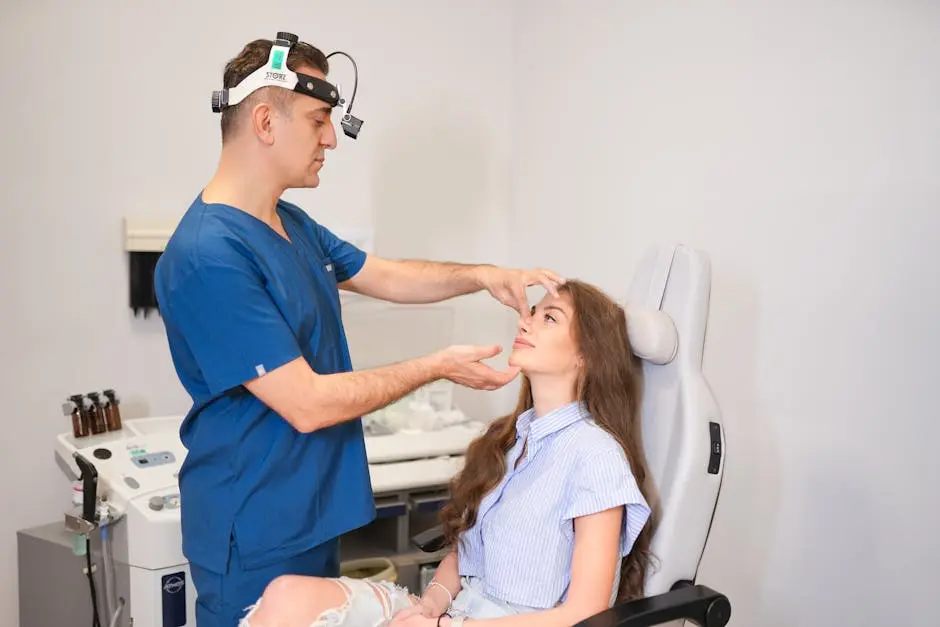
Understanding a surgeon’s background is crucial. Ask about their training, certifications, and the number of rhinoplasties they have performed. It’s not just about the numbers, though; you want to delve deeper into their experience. Have they dealt with cases similar to yours? Rhinoplasty is a nuanced procedure, and specific expertise can directly influence the outcome.
Moreover, don’t hesitate to ask about their ongoing education. The field of cosmetic surgery is ever-evolving. A surgeon dedicated to continual learning will likely be more proficient in the latest techniques and technologies, which could significantly benefit you.
Visuals can be very telling. Ask to see examples of past patients to understand their aesthetic style and the outcomes you might expect. This isn’t just about seeing beautiful results; it’s also about setting realistic expectations. Every person’s anatomy is different, so it’s essential to find a surgeon whose results resonate with your desired appearance.
In addition, inquire how long ago these procedures were performed. This insight not only reflects their skills but also gives you an idea of how the results have aged over time. If possible, try to connect with past patients for firsthand testimonials about their experiences.
Each surgeon may have their preferred techniques. Discuss whether they favor open or closed rhinoplasty and how it affects recovery and results. A thorough explanation can help ease any concerns you might have. Understand the advantages and disadvantages of each method to determine which aligns better with your needs.
Moreover, get clarity on the reasons behind their choice of approach. For instance, some surgeons may lean towards open techniques for more complex cases while others may prefer closed methods for simpler adjustments. Knowing these details can provide reassurance about the surgical journey you are about to embark on.
Informed consent is vital. Make sure to discuss potential complications specific to your case and ask how often they occur. It’s easy to feel swept up in the excitement, but being aware of possible risks is part of making a sound decision. Effective communication about this aspect can highlight a surgeon’s commitment to your safety.
Additionally, ask about their protocol for managing complications should they arise. Understanding how they handle adverse effects can provide peace of mind, knowing you’re in capable hands. Remember, a great surgeon will not shy away from discussing any concerns honestly.
Knowing the recovery timeline will help you plan. Ask about the typical recovery process, what to expect, and when you can return to normal activities. Recovery can vary drastically from person to person, so getting insights tailored to your specific circumstances is key.
It might also be beneficial to inquire about post-operative care instructions and the support you can expect from the surgeon’s office. Will they check in with you regularly? How accessible are they if you have questions during your recovery? This openness can greatly enhance your comfort level as you heal.
Inquire about their approach to revisions if the results are not as expected. Understanding their policy on follow-up care is essential. It’s reassuring to know that your surgeon has a plan in place for addressing any dissatisfaction. Sometimes, expectations may not completely align with reality, and knowing you’re covered could ease anxiety.
Additionally, ask how often they perform revision surgeries. This alone can reveal their confidence in their primary procedures. A surgeon who has a low revision rate may instill more trust in their initial abilities.
Ask whether the procedure will be done under local or general anesthesia and who will administer it to ensure your safety during surgery. This detail is vital because it can dramatically affect your experience. Comfort levels can differ based on personal preferences, so it’s worth discussing what you feel is most suitable for you.
Inquire about the anesthesiologist’s qualifications and your surgeon’s experience with the chosen method of anesthesia. It’s not just about having it; it’s about having it done safely and effectively, which gives you peace of mind.
Patient safety should be a priority. Discuss the measures they have in place in their practice and during the procedure. Focus on aspects like staff training, the surgical environment, and emergency response protocols during surgery.
It’s also helpful to understand how they maintain communication with their patients before, during, and after surgery. A practice that prioritizes communication—like scheduling regular updates and check-ins—can go a long way in fostering a sense of security regarding your procedure.
Understanding the financial aspect is important. Ask about the breakdown of costs including surgery, anesthesia, and post-op care. Surprises in billing can lead to unnecessary stress, so having a clear picture of costs upfront is always helpful.
Also, inquire about financing options if needed. Many practices now offer payment plans to make cosmetic procedures more accessible. Being upfront about your budget can help the surgeon tailor their recommendations to suit your needs without overstepping your financial boundaries.
Effective communication is key. Clarify how you will reach out to them with questions before and after the surgery. Knowing who to contact and when can help allay pre-surgery nerves. Good communication can also ensure post-operative care goes smoothly.
Discuss the avenues available for follow-up discussions, whether that’s through phone calls, emails, or scheduled visits. Being aware of how you can communicate can help you feel supported throughout your journey.
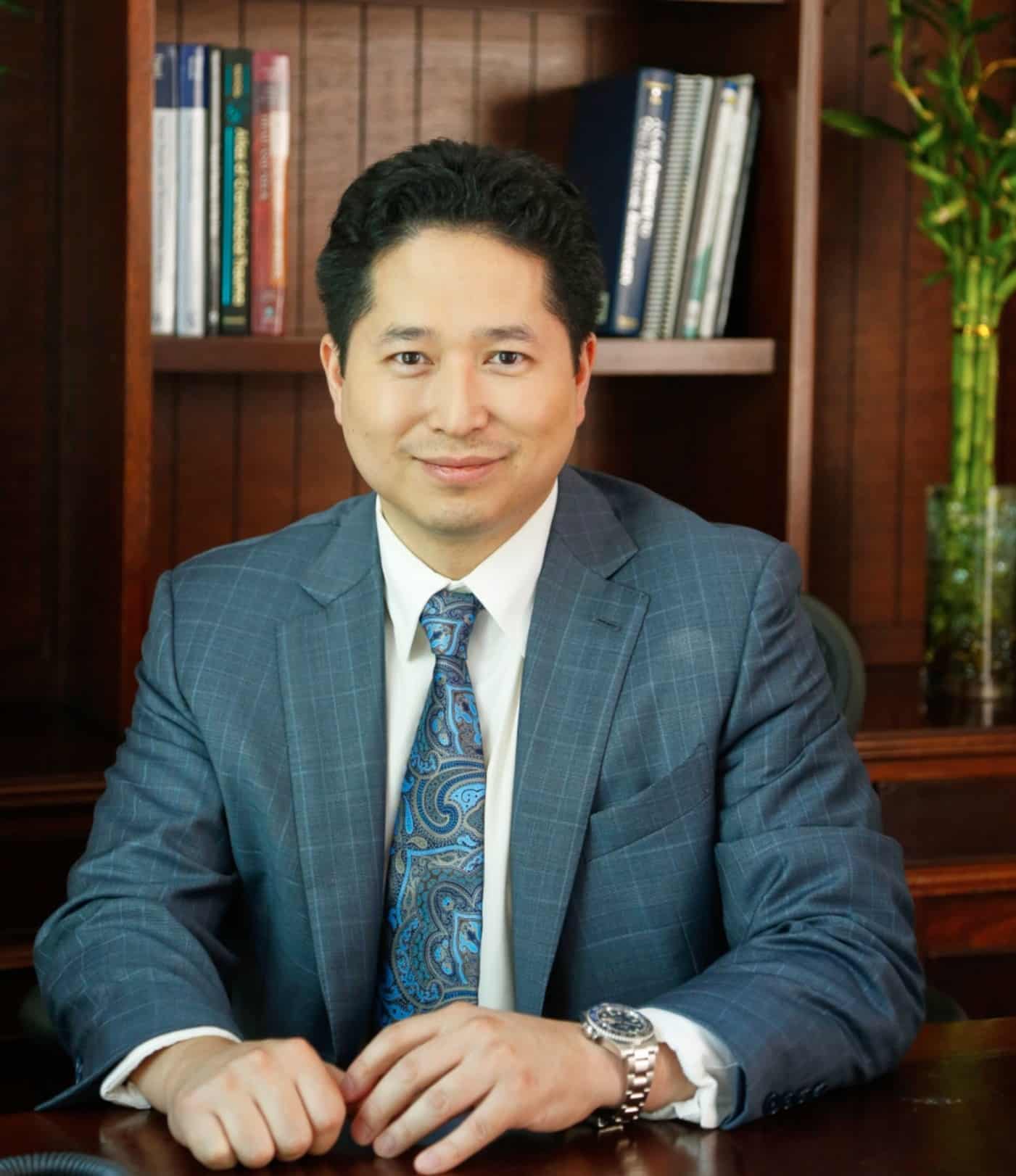
Get to know the surgeon behind Mao Facial Plastic Surgery.
Dr. Johnny Mao’s practice focuses on facial plastic and reconstructive surgery, with surgical and non-surgical options tailored to individual concerns. A consultation is the opportunity to discuss your features, your goals, and the care that may be appropriate for you.
Visit our Orange office to ask questions about treatment options, recovery, and follow-up, and learn more about Dr. Mao’s background and approach to care.
Treatment recommendations based on your anatomy, concerns, and desired outcome — never a one-size-fits-all approach.
Results designed to look natural and harmonious with your existing features rather than overdone.
Clear communication and support before, during, and after treatment so you always know what to expect.
Discuss your concerns and goals in a private, unhurried setting and learn about your options.
Receive a recommended treatment plan with realistic expectations and a clear timeline.
Our team is available throughout your recovery with follow-up visits and guidance.
Selected by Dr. Mao. Explore these featured transformations, then discover more patient results in our full gallery.
Showing 12 featured cases
A selection of Dr. Mao's patient results. Browse the full gallery for more before-and-after photos by procedure.
Case 6903 · Dorsal Hump and Finesse Tip
View case detailsCase 3291 · Nasal Profile Bliss
View case details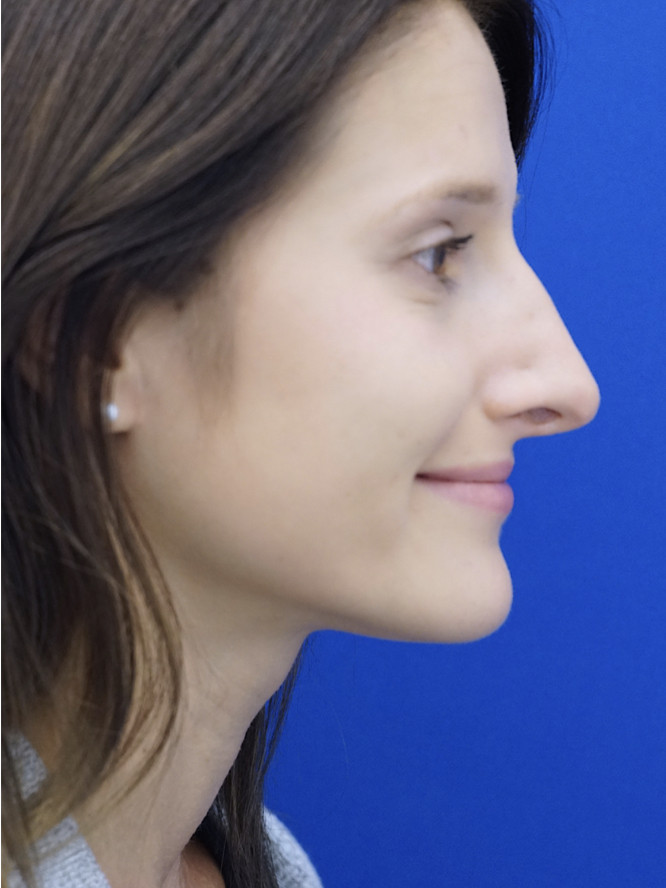
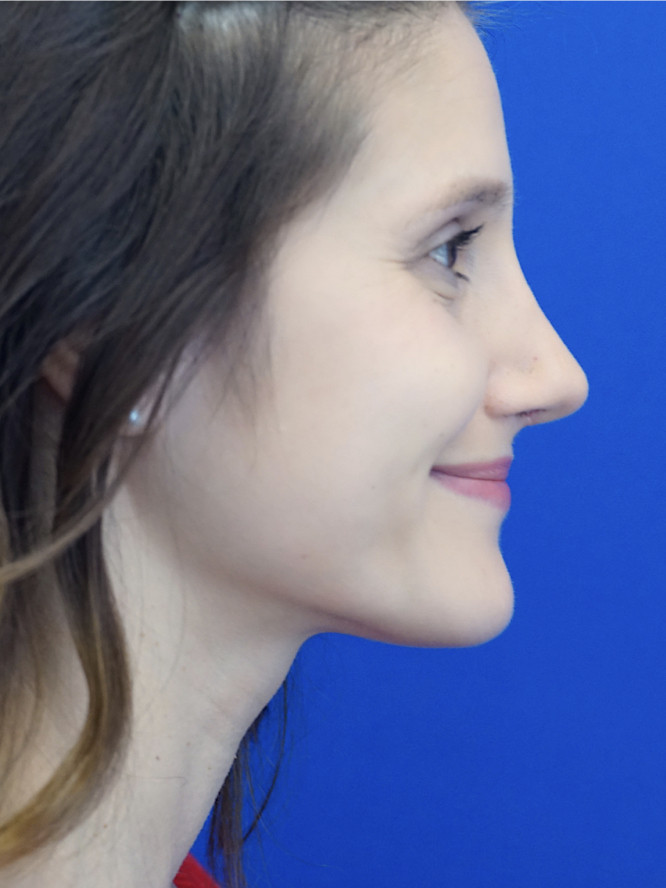
Case 6821 · Deep Plane Lower Facelift
View case details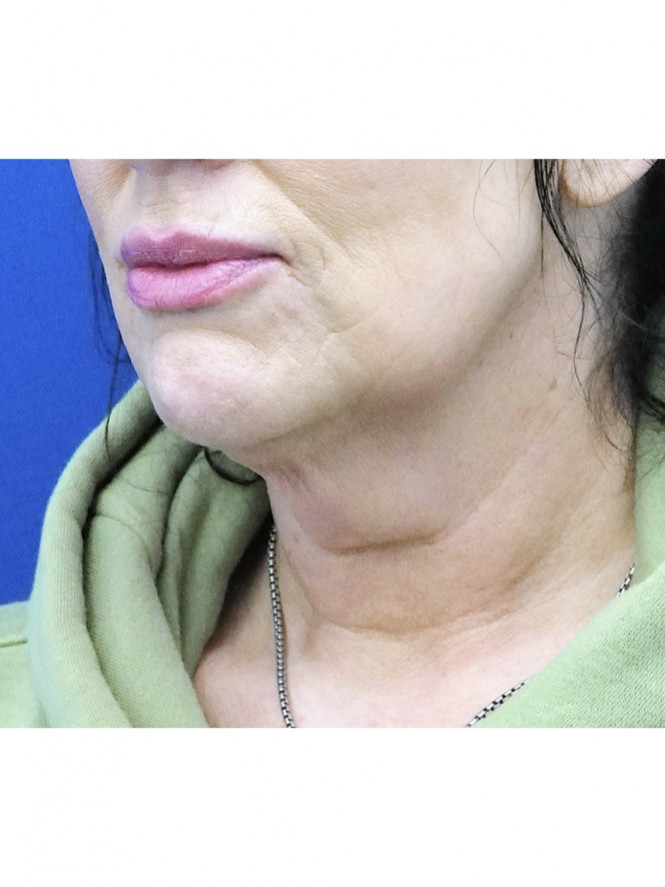
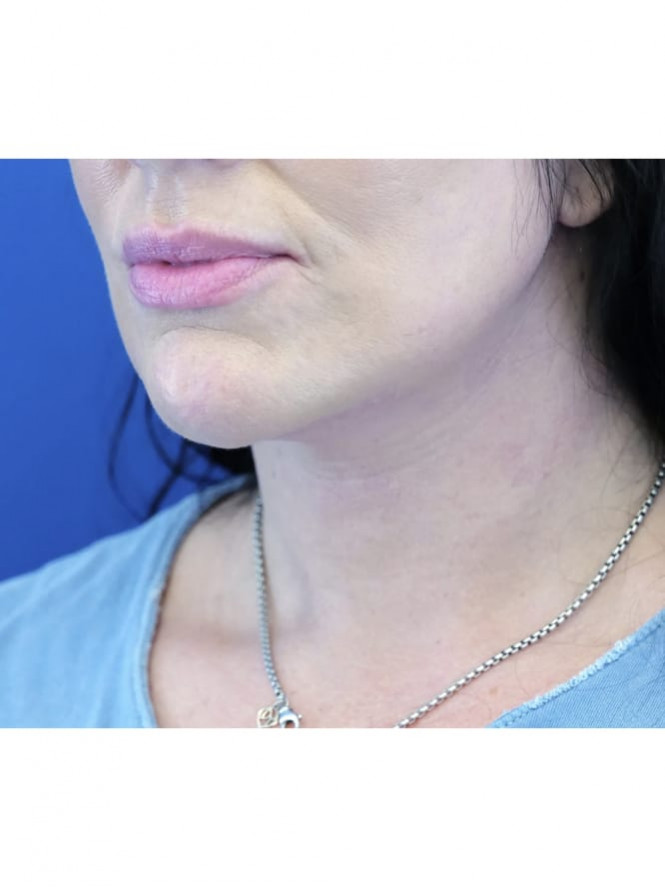
Case 5704 · Fantastic Facial Profile
View case details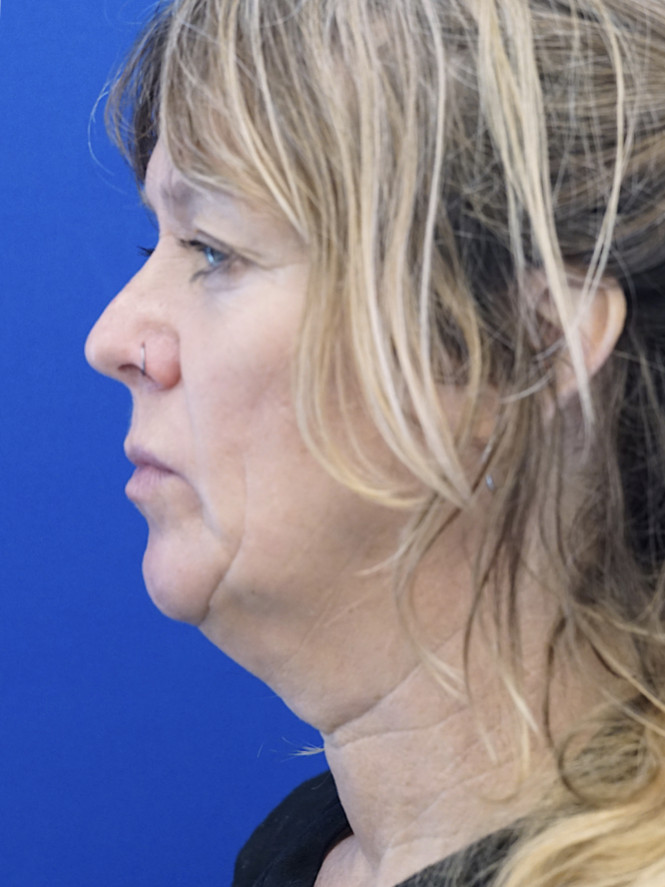
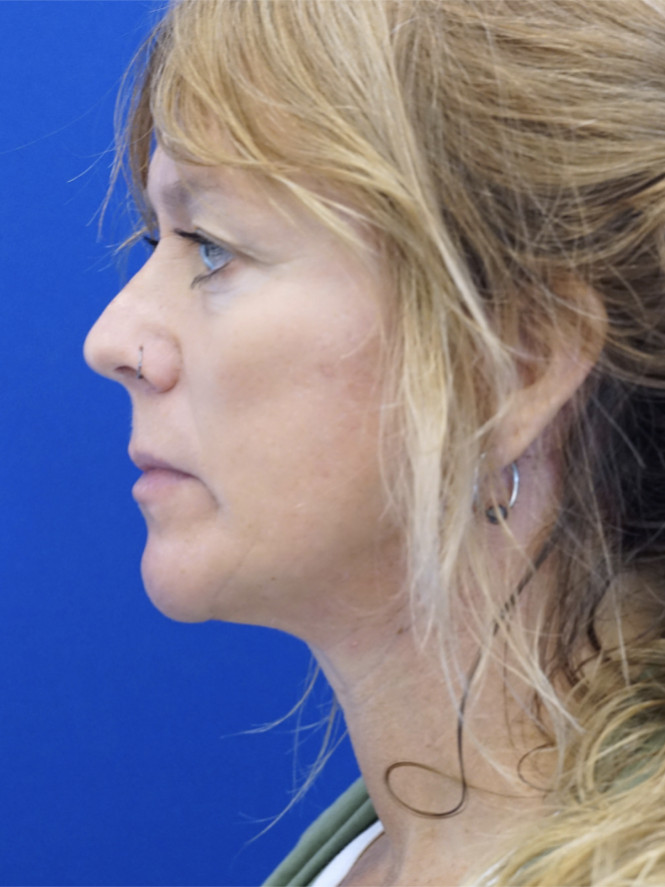
Case 7154 · Natural Result
View case details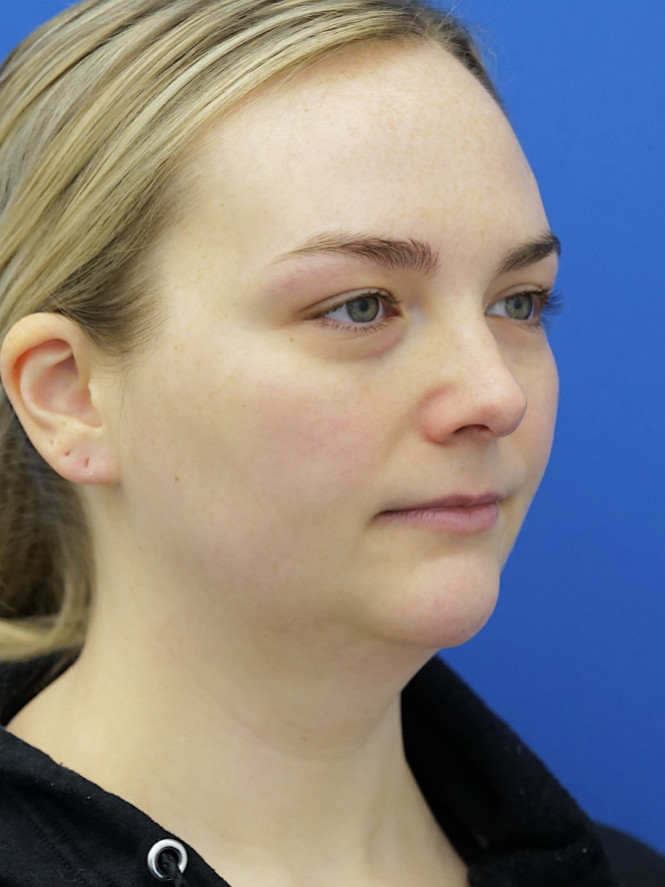
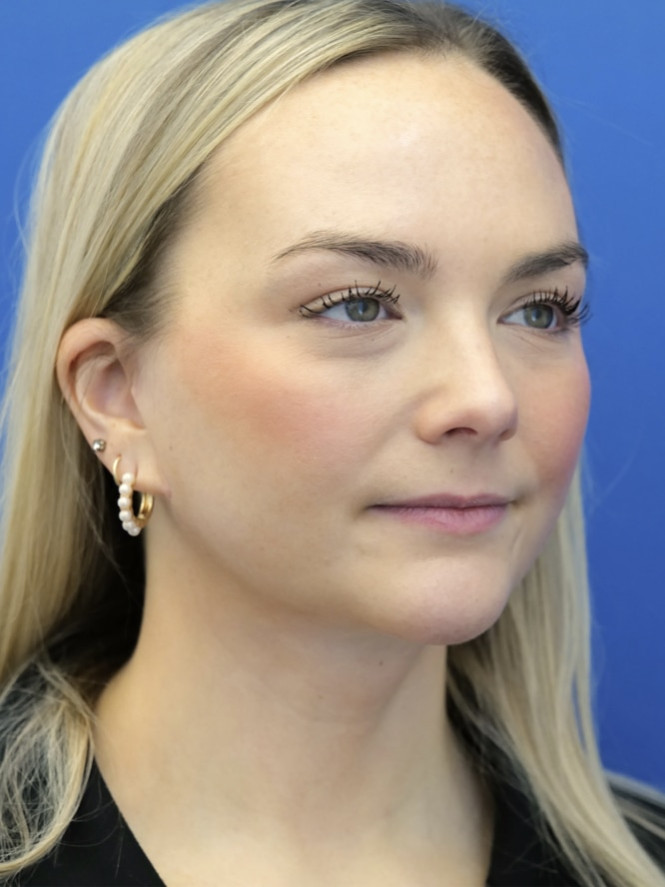
Case 6868 · Brow Fat Suspension
View case details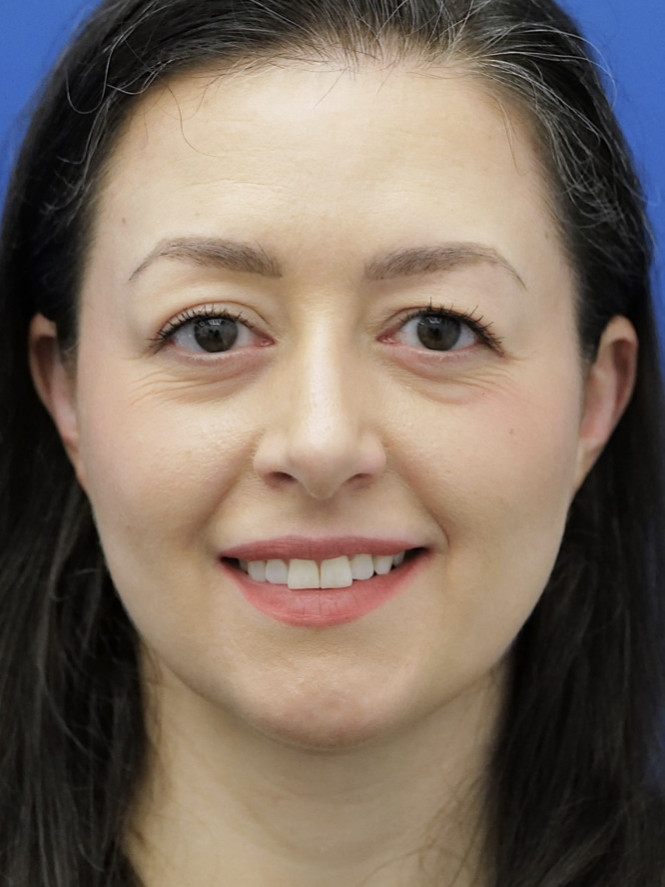
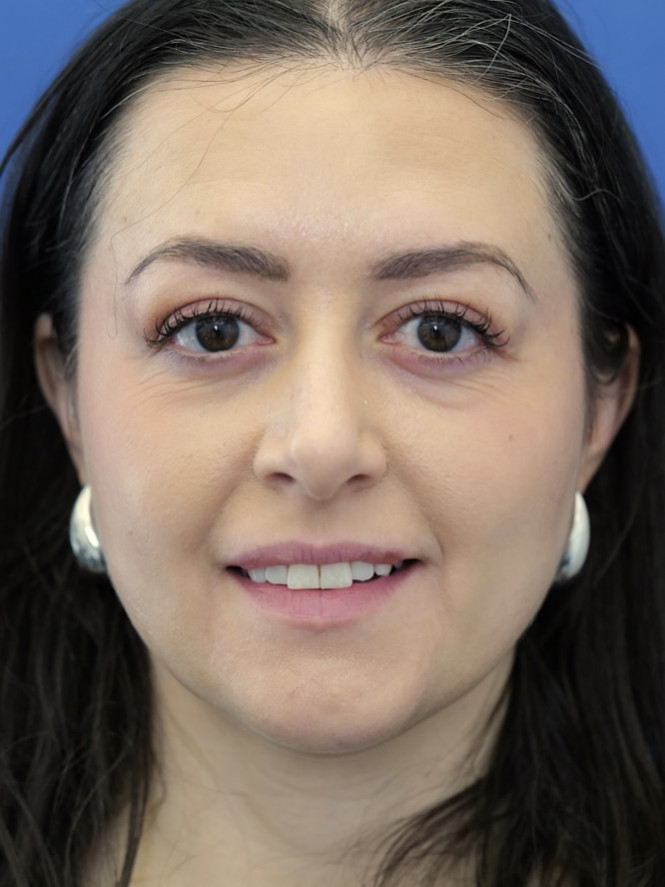
Case 7252 · Lower Lid Fat Reposition
View case details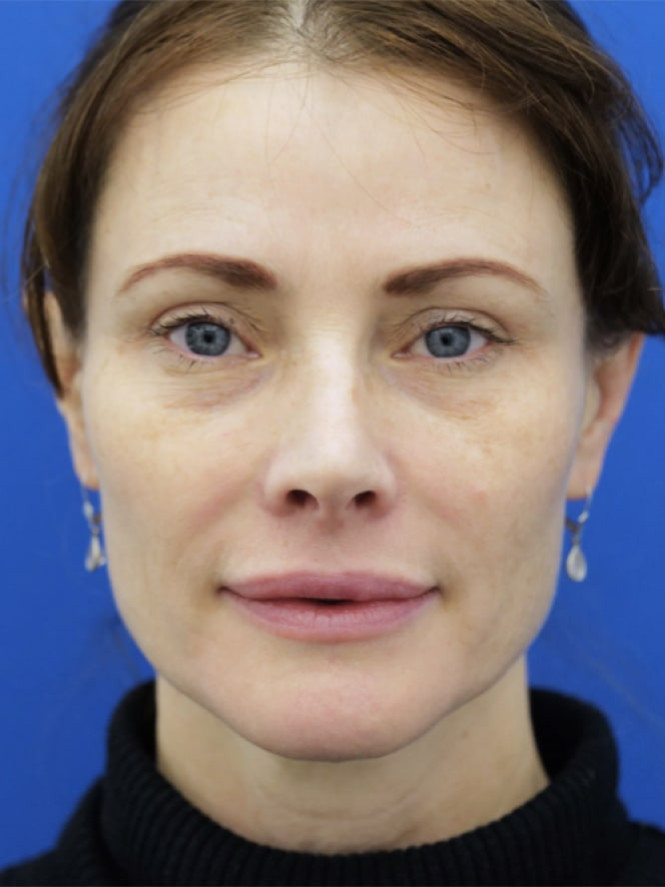
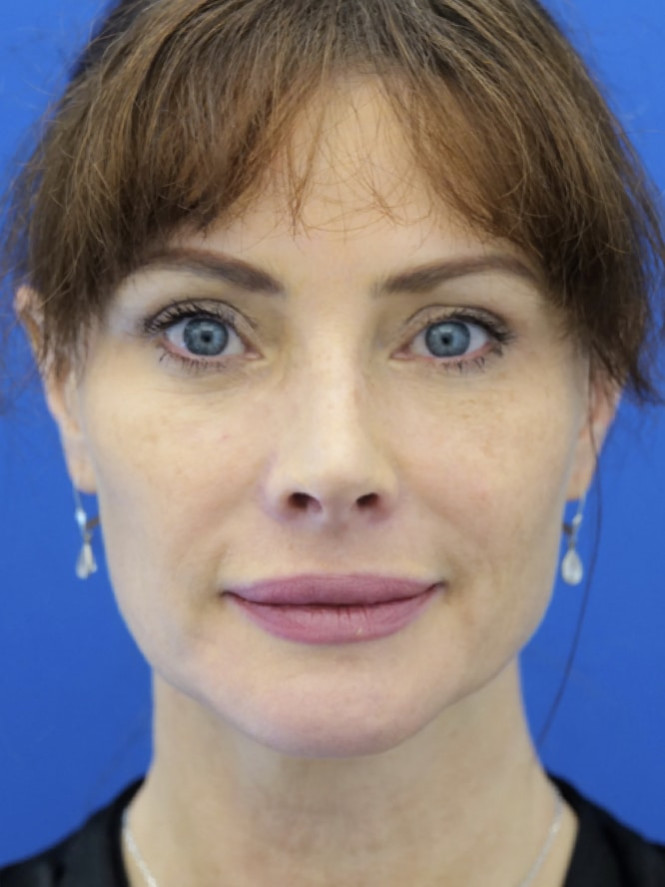
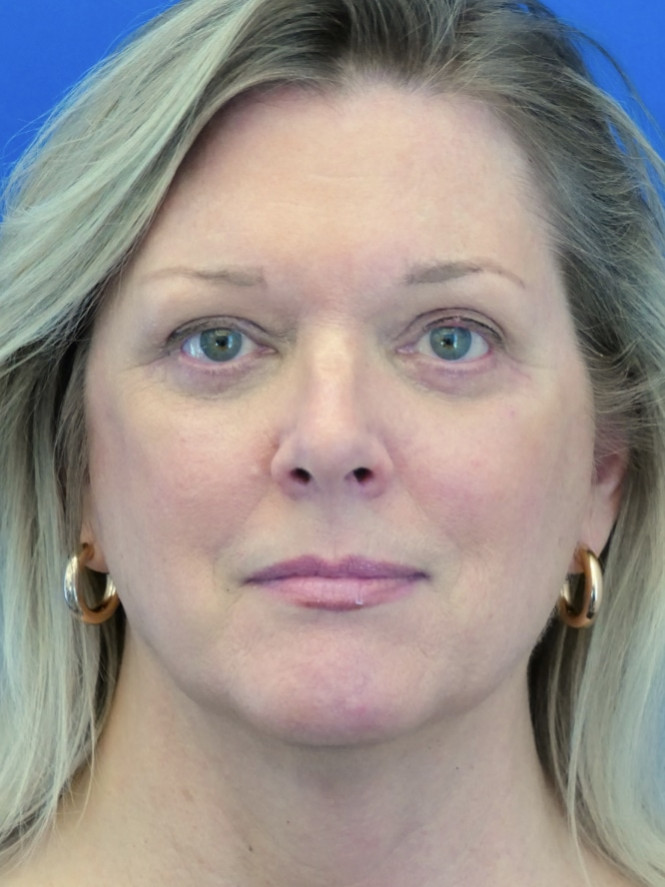
Case 6655 · Endoscopic Browlift, Quad Blepharoplasty
View case details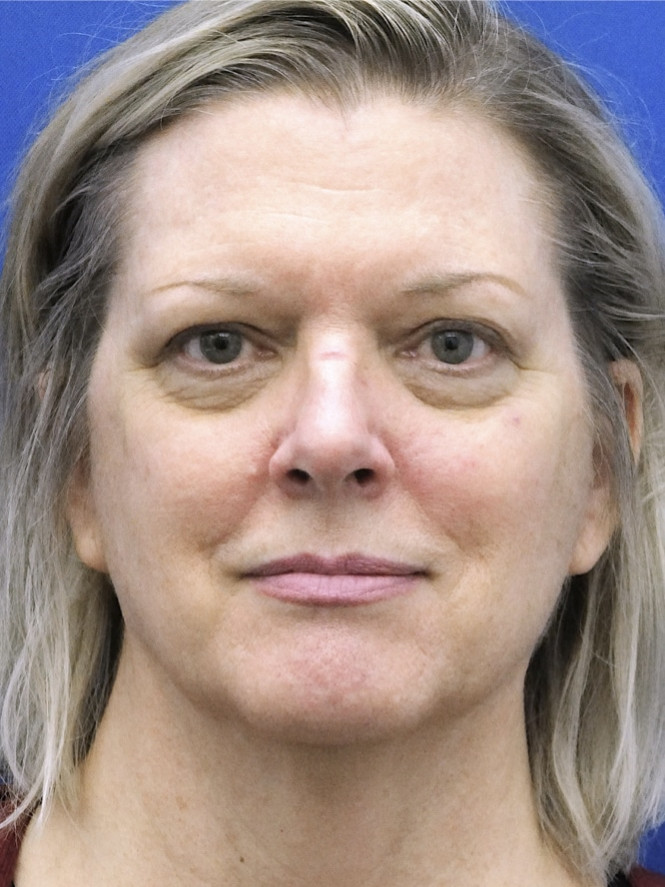
Case 2323 · Vertical Lengthening Chin*
View case details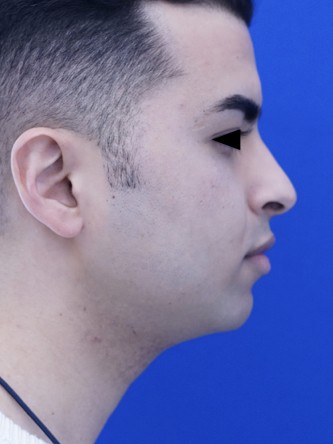
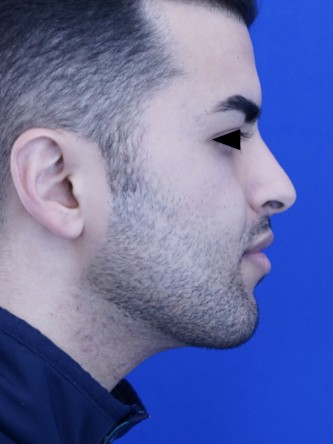
Case 6966 · Ridge Creation and Setback
View case details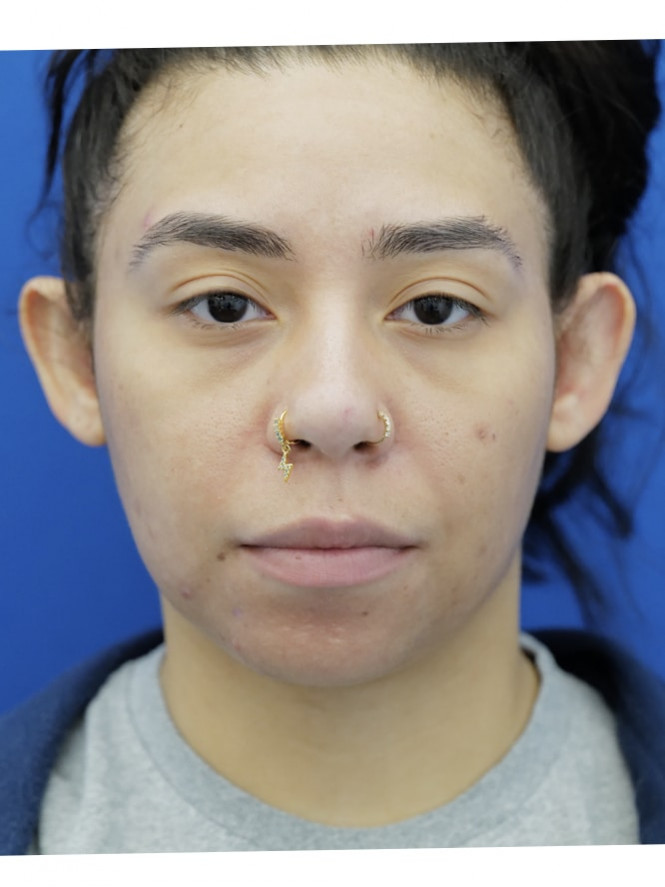
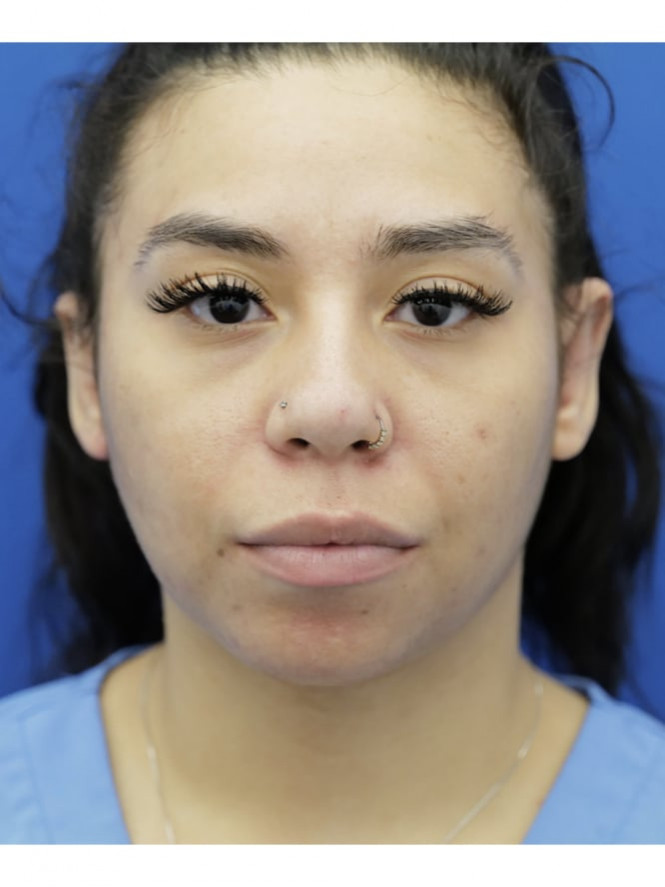
Case 7561 · Awesome Jawline
View case details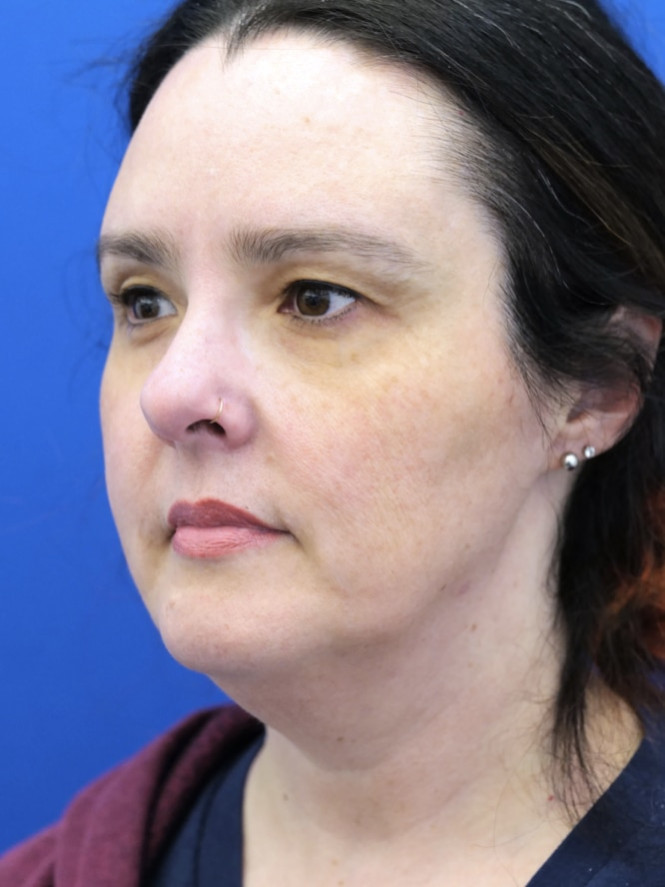
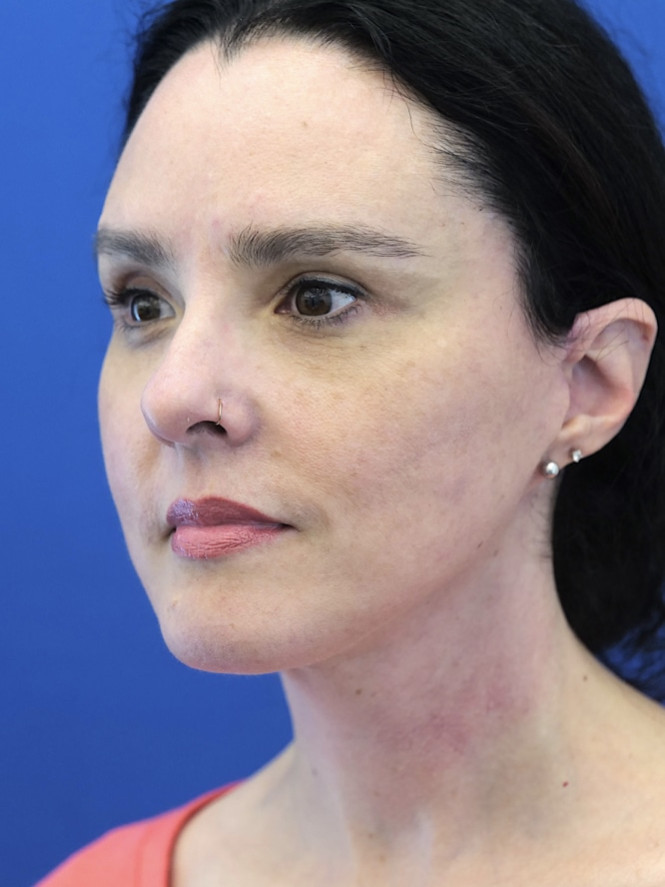
Case 7566 · Preserving Tip Surface Aesthetics
View case details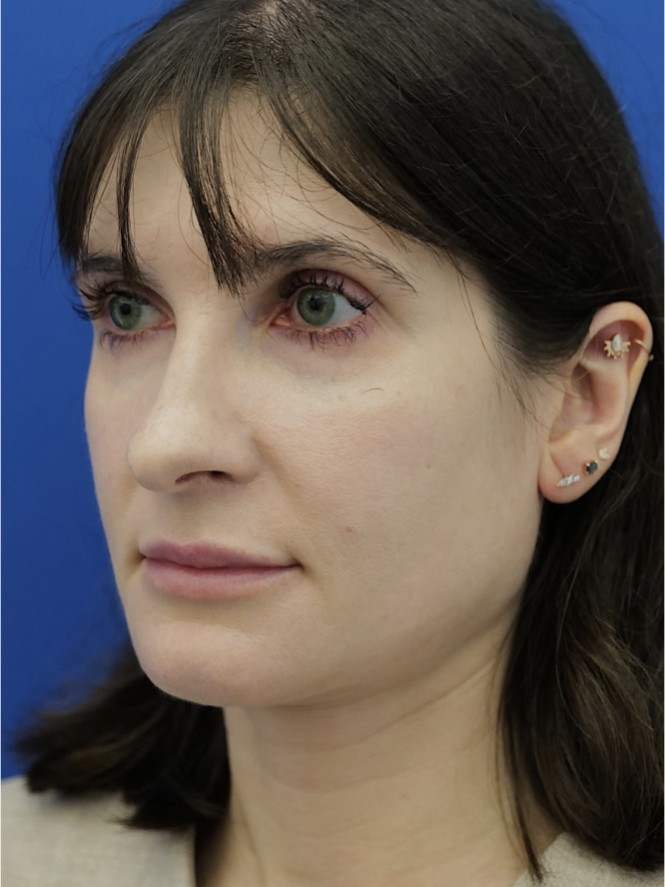
Individual results vary.
Explore other options as part of an individualized treatment discussion.
Injectables, fillers, and laser treatments remain available for patients exploring non-surgical care. Your consultation can help clarify which options fit your goals.
Explore Non-Surgical Options/// FIND THE RIGHT INJECTABLE FOR YOU
Read patient feedback published by the practice and on independent review platforms.
Patient feedback includes experiences with facelift, rhinoplasty, eyelid surgery, otoplasty, and revision procedures.
Read practice testimonialsPublished feedback also covers injectable treatments, liquid rhinoplasty, BOTOX®, fillers, and laser services.
Read practice testimonialsVisit Dr. Mao's RealSelf profile for additional patient reviews and procedure information.
View RealSelf reviewsWelcoming patients from Branford, Cheshire, East Haven, Fairfield, Milford, North Haven, Orange, Shelton, Southport, Weston, Westport, Wilton, Woodbridge, New Canaan, Darien, and surrounding Connecticut communities.
Mao Facial Plastic Surgery 200 S Orange Center Rd
Meet with Dr. Johnny Mao to discuss your aesthetic goals and available facial rejuvenation options.
Request a Consultation Call (203) 907-0501