Rhinoplasty
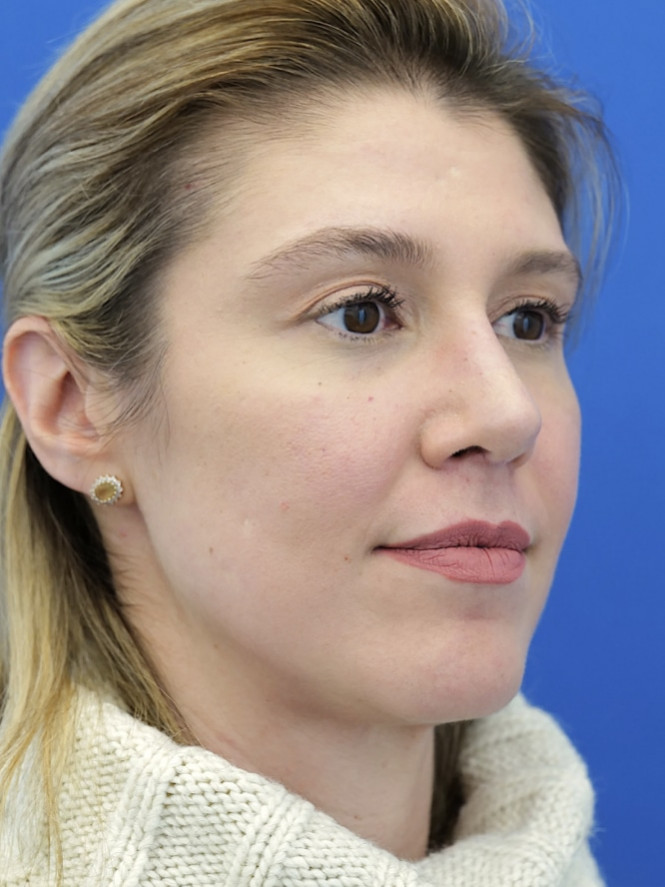
Case 6903 · Dorsal Hump and Finesse Tip
View case details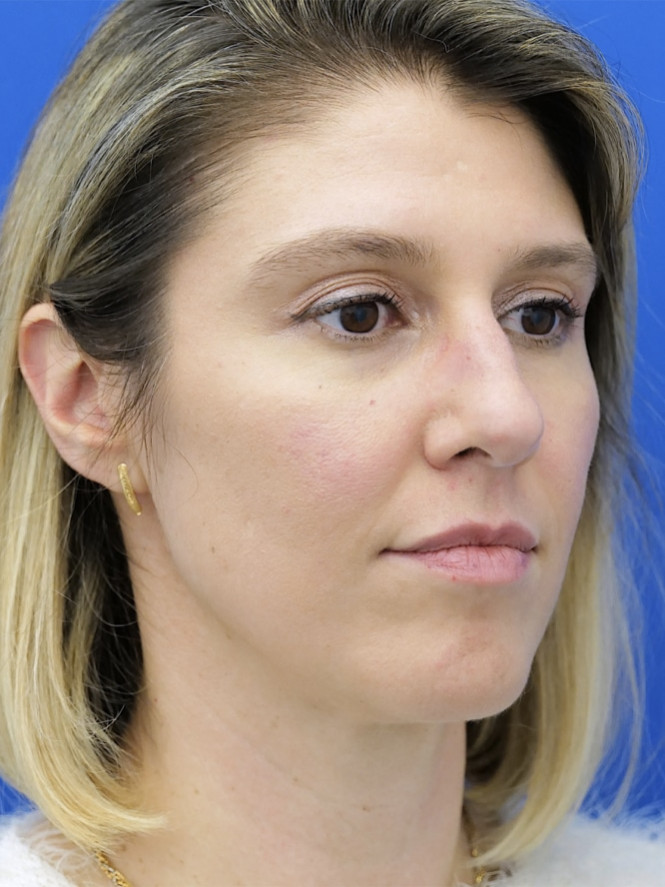

Facial surgery can be a pivotal step toward achieving a harmonious appearance, but it comes with its risks, one notable concern being a supratip break. This particular issue can affect both aesthetic results and recovery. In this article, we’ll explore nine expert tips that will help you minimize these risks and ensure a smoother surgical journey. Let’s dive into these essential insights to equip you with the knowledge you need for a successful procedure.

A supratip break occurs when the nasal tip loses stability, often as a result of surgical manipulation or trauma. Understanding this phenomenon is crucial for both patients and surgeons alike. Many patients may not realize that such an outcome can lead to aesthetic issues like nasal deformities, ultimately affecting one’s self-esteem and satisfaction with the surgical results.
Moreover, a supratip break during healing can hinder recovery, leading to complications that could necessitate further interventions. Being informed is the first step in prevention. By recognizing the signs and factors that contribute to this complication, you’ll be better equipped to discuss your concerns openly with your surgeon before proceeding with surgery.
When it comes to facial surgery, selecting a qualified surgeon is paramount. Surgeons with specialized training in facial anatomy can significantly decrease the risk of complications such as a supratip break. It’s essential to research their credentials, including certifications, training history, and experience specifically related to nasal surgeries.
Don’t hesitate to ask potential surgeons about their experience with supratip breaks and how they plan to mitigate this risk in your case. Transparent communication with your surgeon can set a firm foundation for a successful outcome. Personal recommendations and reviews from prior patients can also provide insights into a surgeon’s approach and skill level.
Pre-operative assessments play a pivotal role in identifying any existing health conditions that may affect your surgery. Comprehensive evaluations can reveal physiological factors or risk behaviors that might lead to complications like a supratip break. By participating actively in this process, you can help your surgical team tailor a specific plan that accounts for your individual health needs.
During your assessment, your doctor may recommend additional imaging, blood tests, or lifestyle adjustments. Taking these recommendations seriously will not only prepare you physically but also mentally, forming a crucial part of your comprehensive care. Understanding all factors at play adds an extra layer of safety as you gear up for surgery.
A personalized surgical plan is essential for achieving the best cosmetic results while minimizing risks, including that of a supratip break. No two noses are alike, which means that your surgeon should develop a strategy that caters specifically to your anatomical structure. Engaging in a detailed conversation about your unique features helps your surgical team create a tailored approach.
In some cases, a more conservative surgical method may be advisable to protect the nasal tip’s integrity. Tailoring the procedure to your needs underscores the surgeon’s commitment to your safety and satisfaction. Ultimately, this thoughtful planning significantly reduces risks and promotes better healing.
Your overall health and lifestyle greatly influence the success of your surgery and recovery journey. Existing health conditions like hypertension, diabetes, or smoking can compromise your healing process and increase the risks associated with a supratip break. Therefore, it’s crucial to maintain optimal health leading up to your surgery.
Implementing lifestyle changes, such as quitting smoking or adhering to a balanced diet, can strengthen your immune system and facilitate better healing post-surgery. Don’t underestimate the power of good habits; they contribute significantly to your overall surgical experience and minimize various complications.
Recovery after facial surgery requires diligent attention and some lifestyle adjustments. Following your surgeon’s guidelines post-operative, including rest, hydration, and proper nutrition, can lead to a smoother healing process. Your body’s capacity to heal has a direct correlation with how well you care for yourself after the procedure.
Further, avoid activities that could put strain on your nasal area, such as heavy lifting or strenuous workouts. Additionally, managing stress through relaxation techniques or moderate exercise can enhance your recovery. These habits form a supportive network that allows your body to focus on healing without additional stressors.
Attending follow-up appointments with your surgeon is an integral part of your recovery process. These check-ins allow for evaluation of the healing process and can help identify any early warning signs of complications like a supratip break. Your surgeon will track your progress and make necessary adjustments to your care plan.
Staying proactive may mean the difference between a minor setback and a major complication. It’s also a perfect time to discuss any questions or concerns you may have as you heal. Simply put, these visits reinforce the collaborative nature of your care, emphasizing that you are not alone on this journey.
Being aware of the warning signs of complications can position you to act swiftly if issues arise. Symptoms such as unusual swelling, persistent pain, or any changes in the nasal tip should prompt immediate contact with your surgeon. Early intervention can significantly improve outcomes and prevent conditions like a supratip break from escalating.
Educating yourself about post-operative signs can empower you and reduce anxiety during the recovery phase. Remember that your comfort and peace of mind are essential components of healing. By staying vigilant and informed, you’re investing in your health and future appearance.
Staying informed is a crucial aspect of the pre-and post-surgery journey. Numerous resources, from official medical websites to online support groups, can provide valuable insights into facial surgery and the risks associated with supratip breaks. Engaging with these resources can help set realistic expectations and prepare you for what lies ahead.
Through active research and participation in discussions, you may find answers to concerns that other patients have faced. Knowledge not only alleviates anxiety but also promotes a sense of empowerment as you take control of your surgical journey. This commitment to learning will enrich your experience and improve your engagement with healthcare professionals.
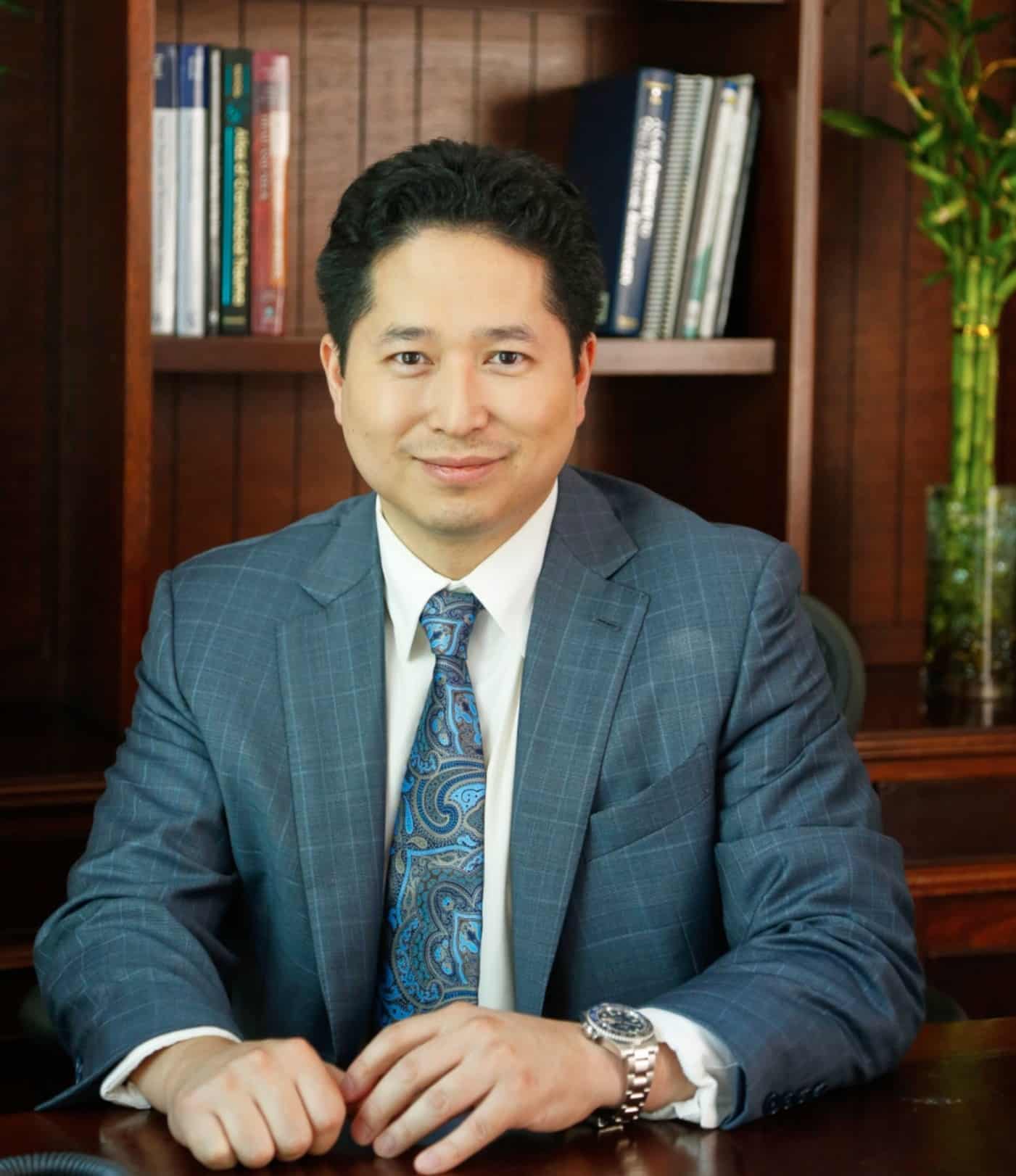
Get to know the surgeon behind Mao Facial Plastic Surgery.
Dr. Johnny Mao’s practice focuses on facial plastic and reconstructive surgery, with surgical and non-surgical options tailored to individual concerns. A consultation is the opportunity to discuss your features, your goals, and the care that may be appropriate for you.
Visit our Orange office to ask questions about treatment options, recovery, and follow-up, and learn more about Dr. Mao’s background and approach to care.
Treatment recommendations based on your anatomy, concerns, and desired outcome — never a one-size-fits-all approach.
Results designed to look natural and harmonious with your existing features rather than overdone.
Clear communication and support before, during, and after treatment so you always know what to expect.
Discuss your concerns and goals in a private, unhurried setting and learn about your options.
Receive a recommended treatment plan with realistic expectations and a clear timeline.
Our team is available throughout your recovery with follow-up visits and guidance.
Selected by Dr. Mao. Explore these featured transformations, then discover more patient results in our full gallery.
Showing 12 featured cases
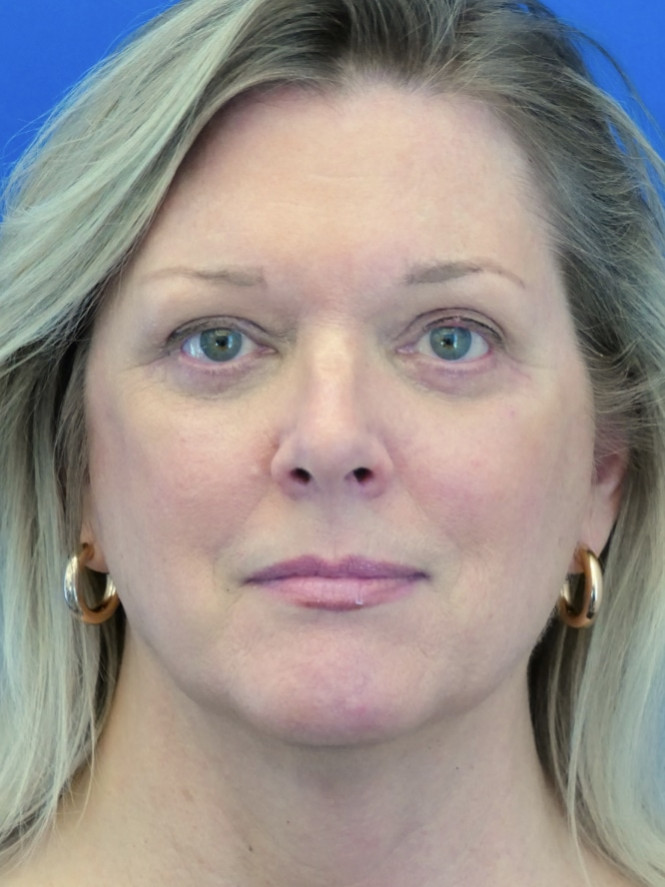
A selection of Dr. Mao's patient results. Browse the full gallery for more before-and-after photos by procedure.
Case 6903 · Dorsal Hump and Finesse Tip
View case detailsCase 3291 · Nasal Profile Bliss
View case details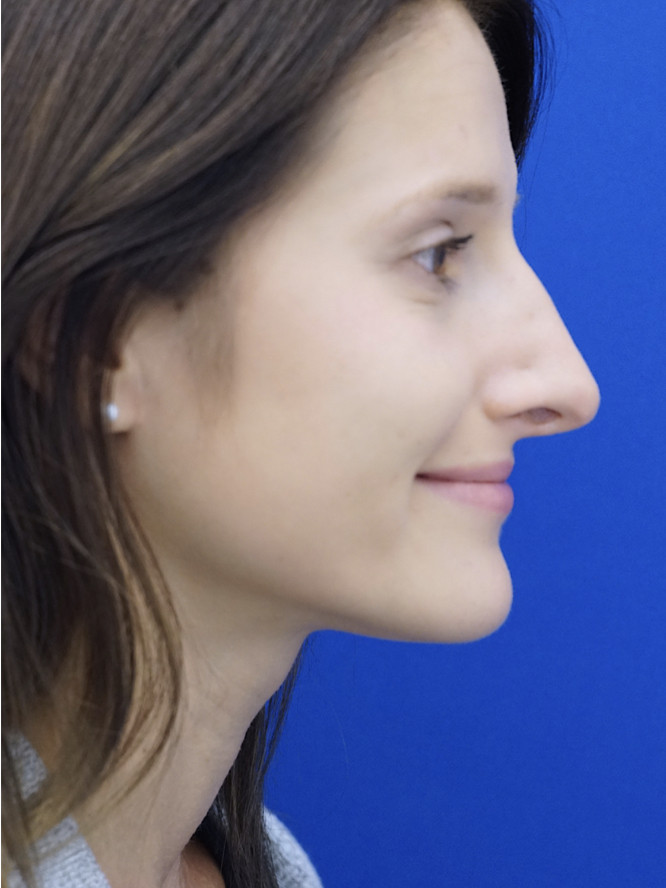
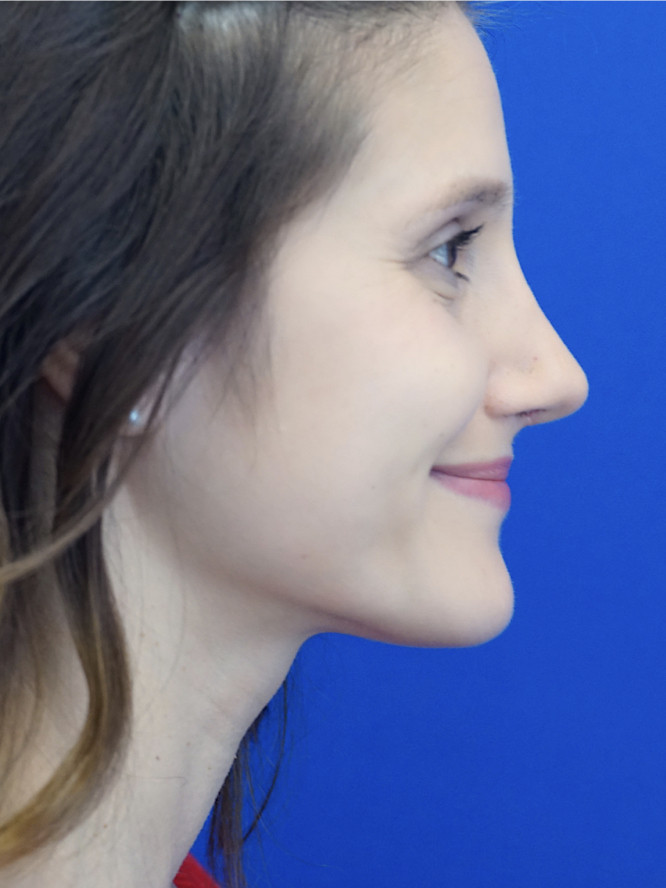
Case 6821 · Deep Plane Lower Facelift
View case details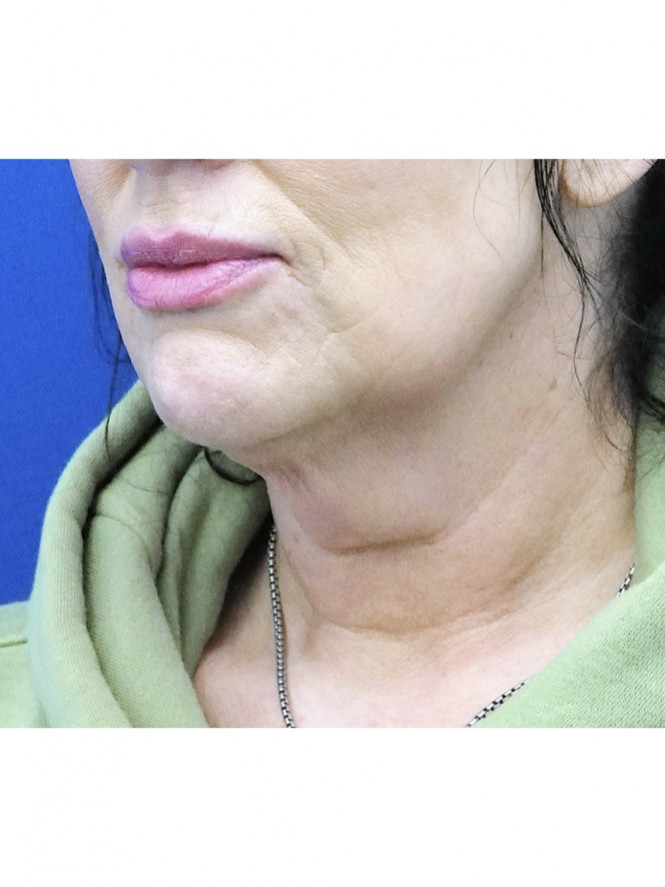
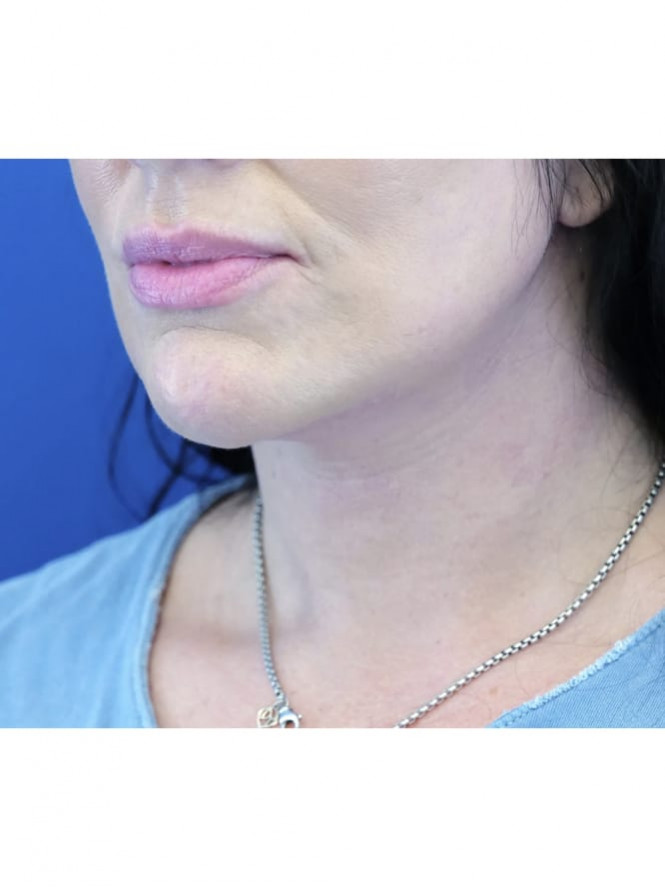
Case 5704 · Fantastic Facial Profile
View case details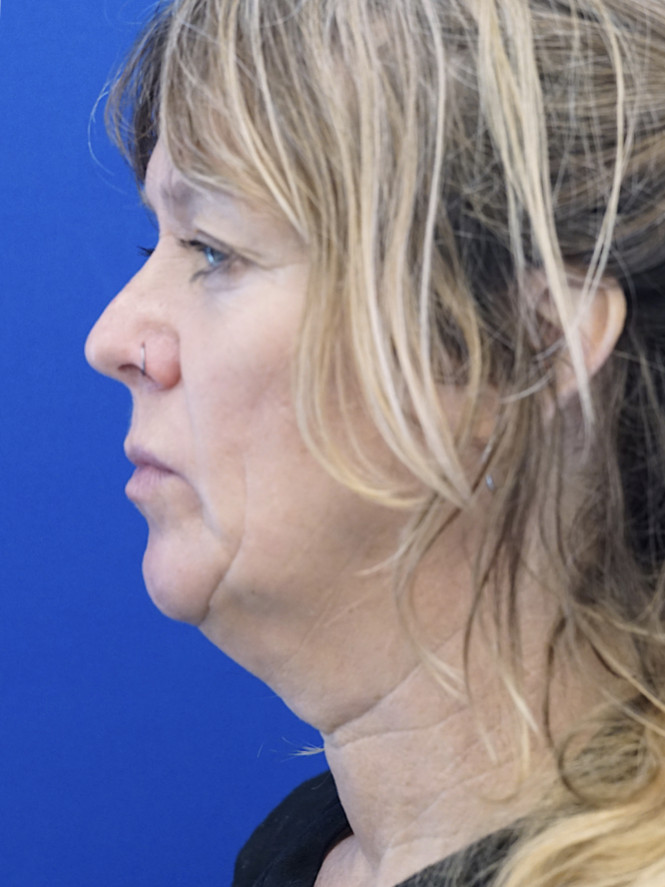
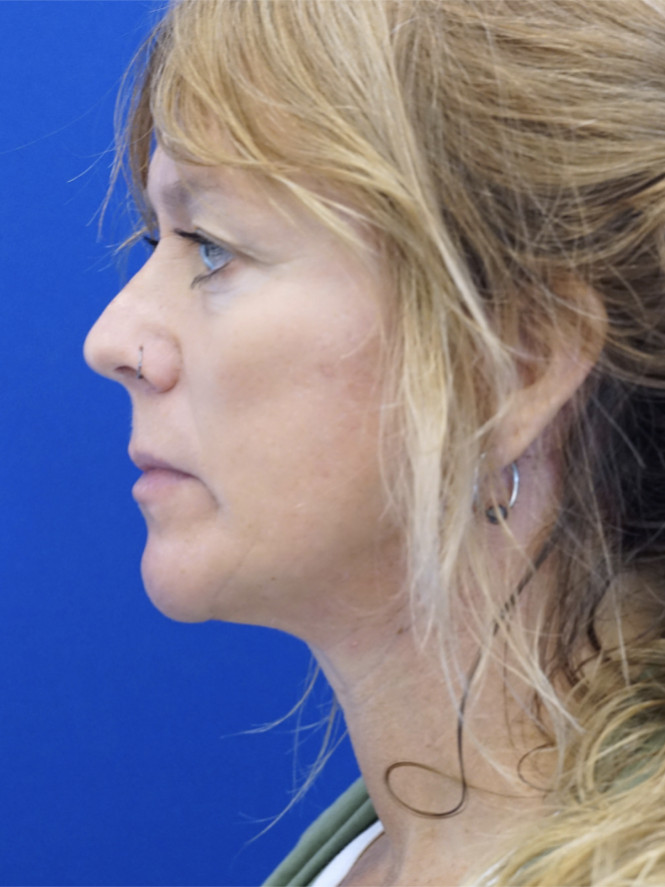
Case 7154 · Natural Result
View case details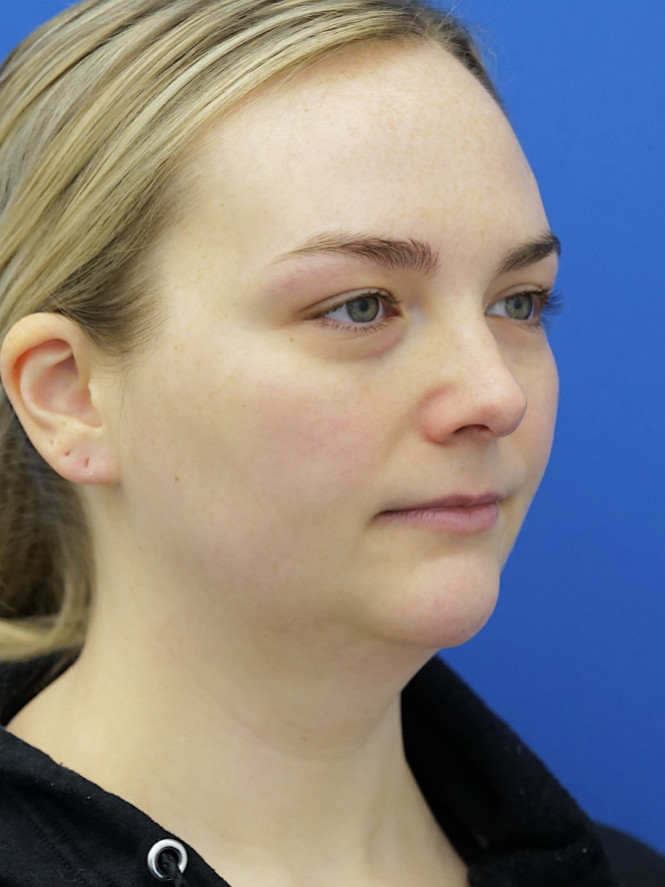
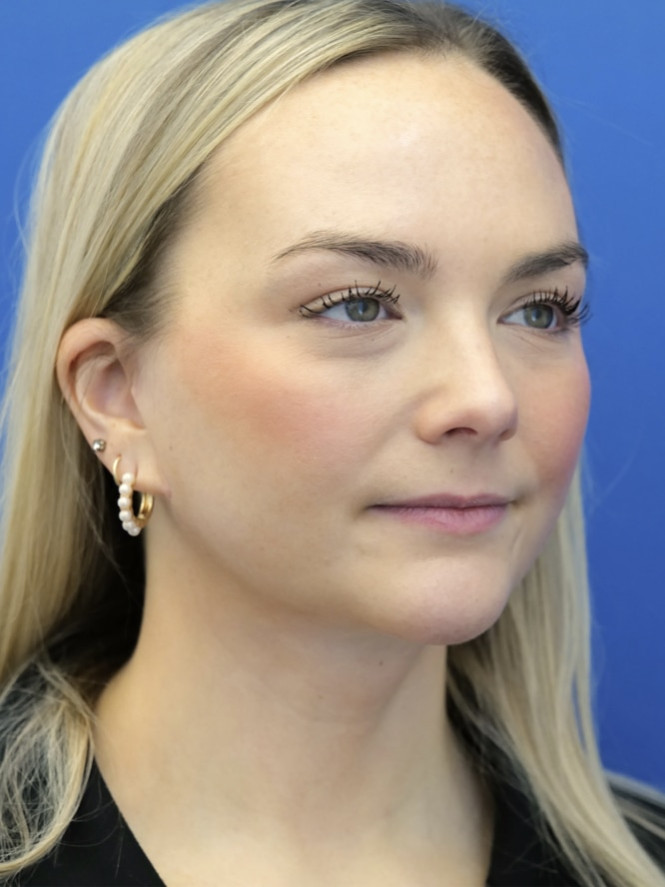
Case 6868 · Brow Fat Suspension
View case details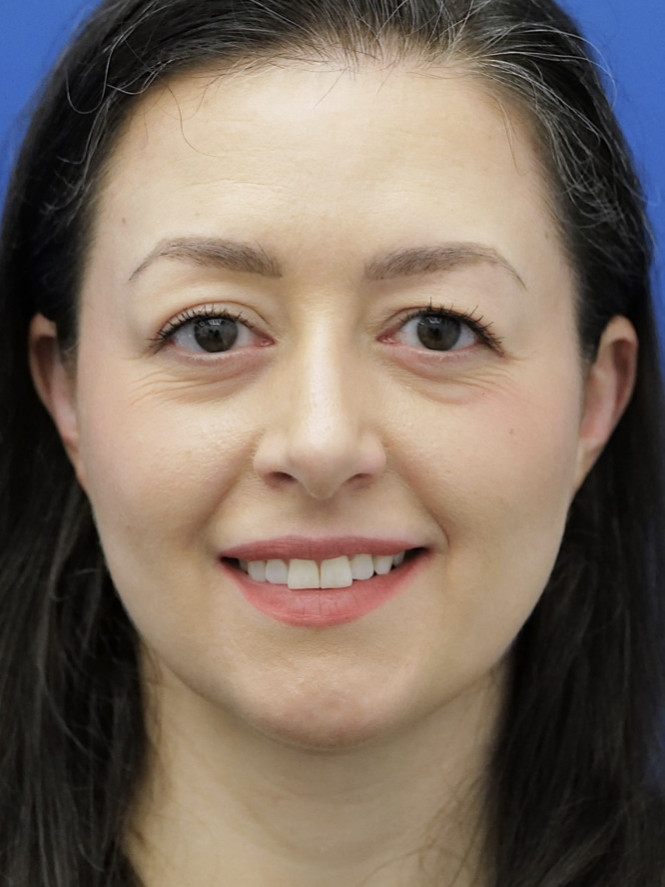
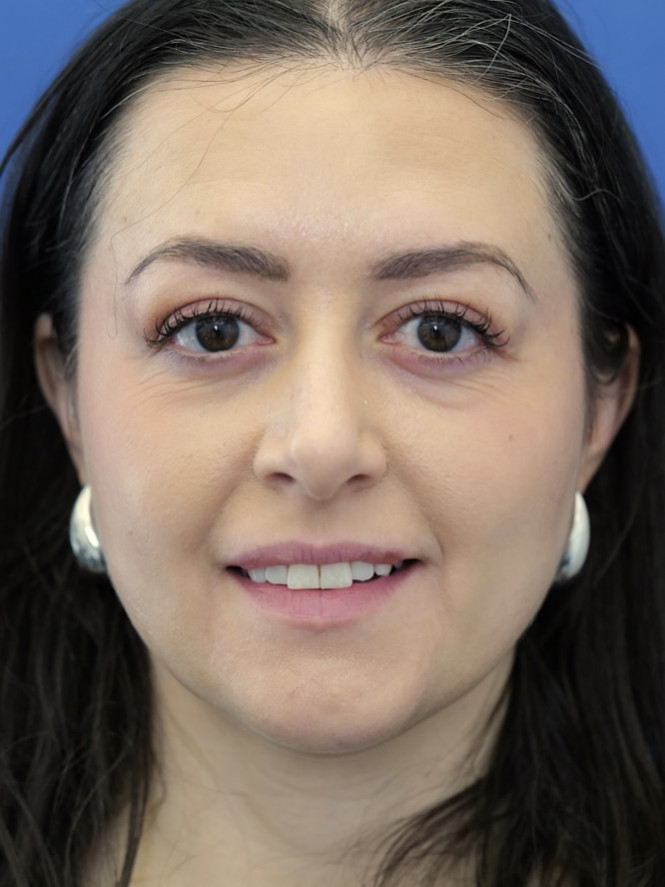
Case 7252 · Lower Lid Fat Reposition
View case details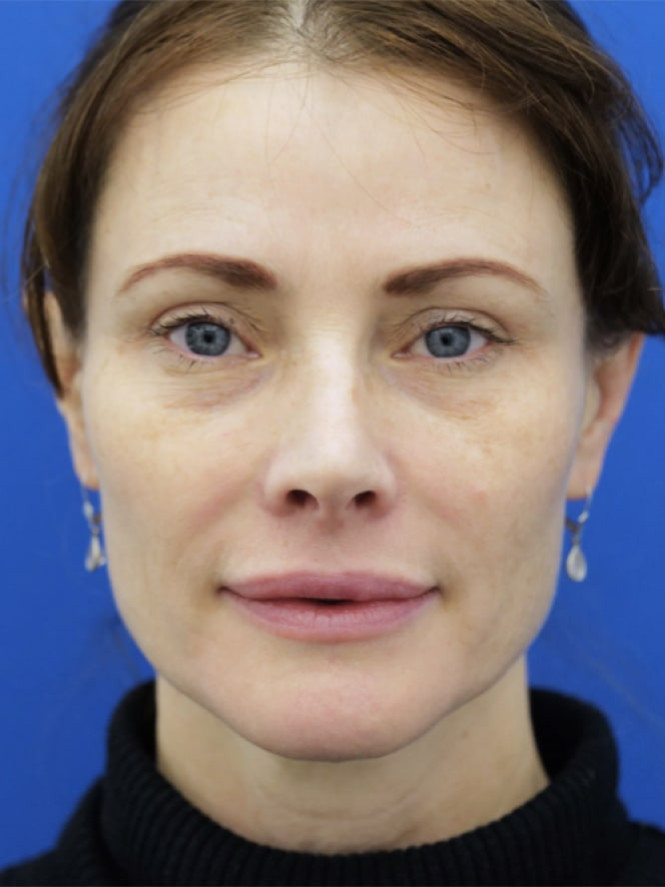
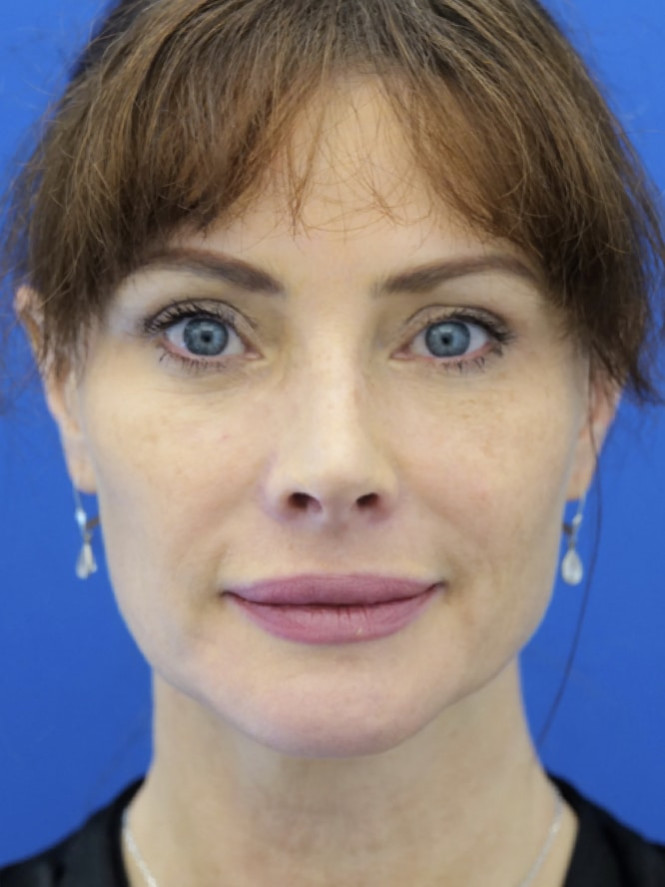
Case 6655 · Endoscopic Browlift, Quad Blepharoplasty
View case details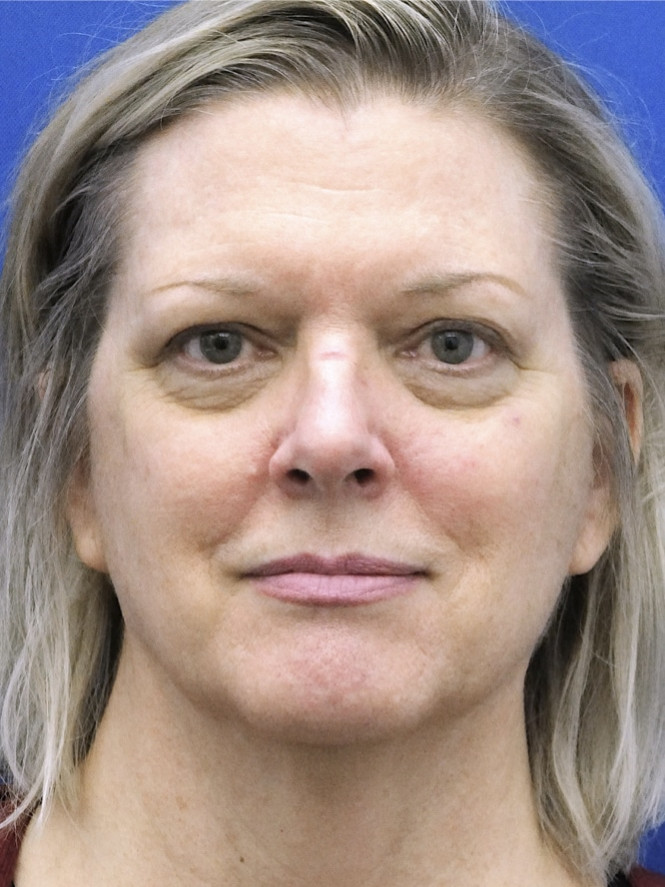
Case 2323 · Vertical Lengthening Chin*
View case details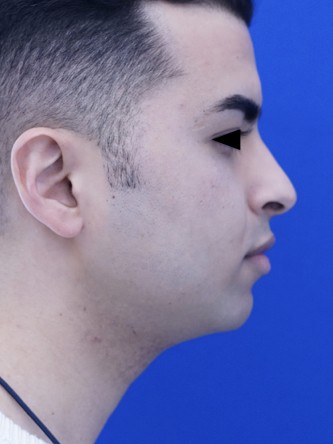
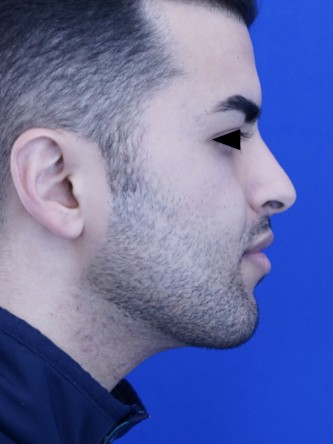
Case 6966 · Ridge Creation and Setback
View case details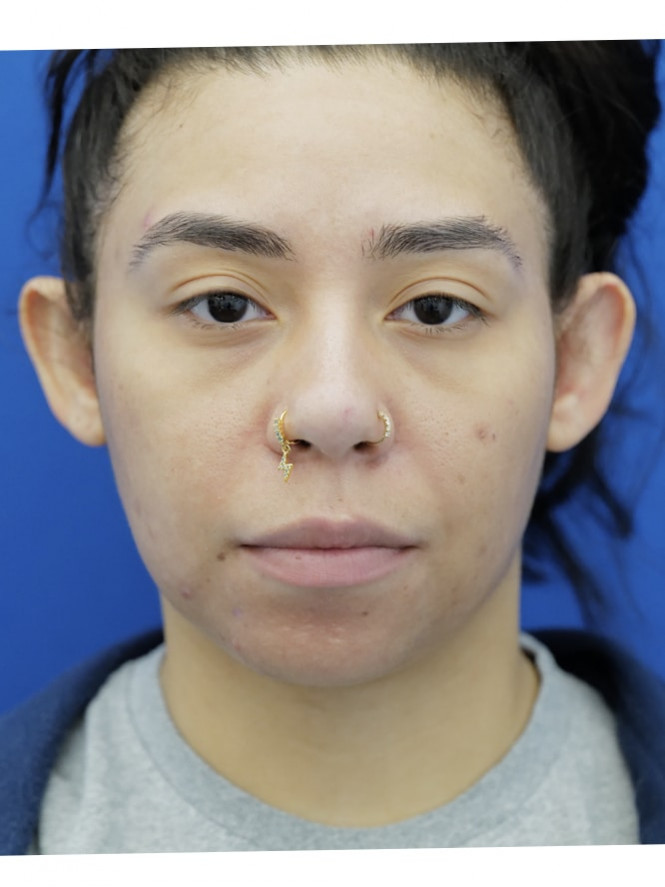
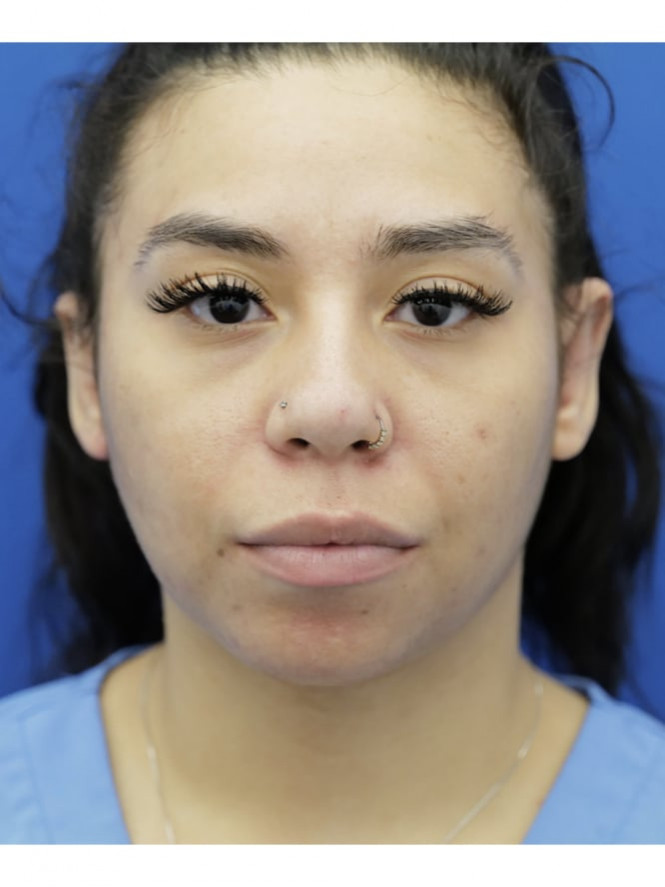
Case 7561 · Awesome Jawline
View case details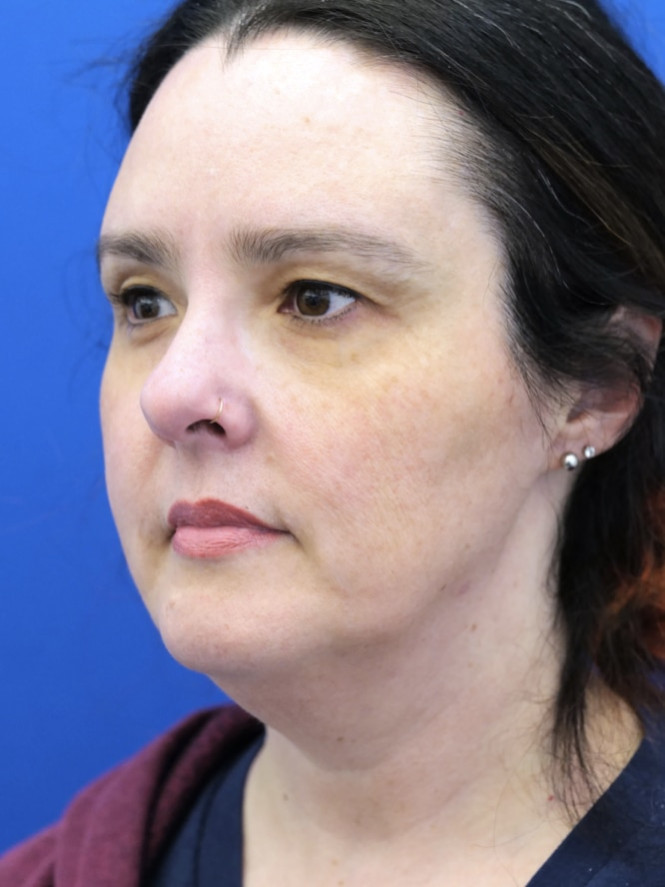
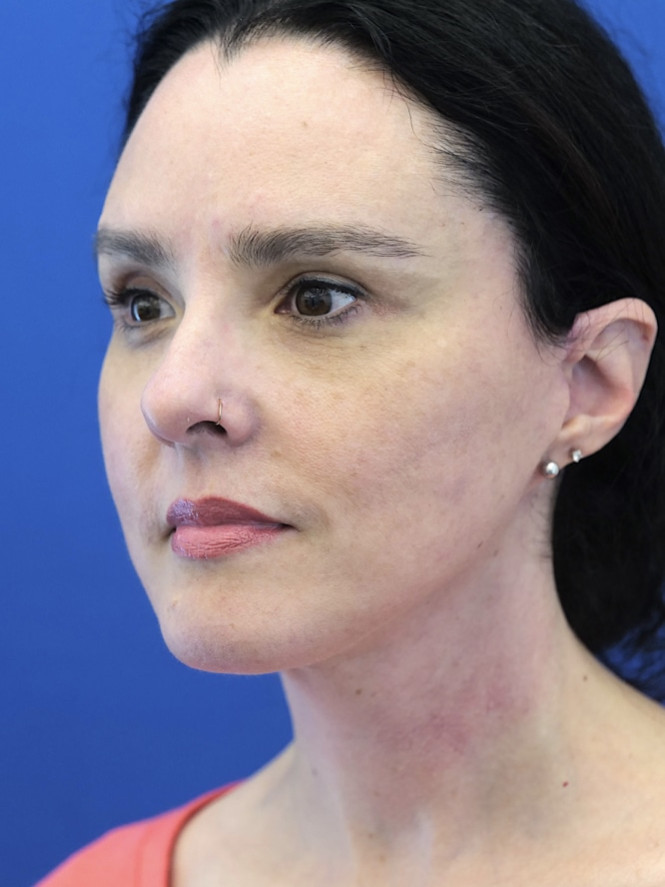
Case 7566 · Preserving Tip Surface Aesthetics
View case details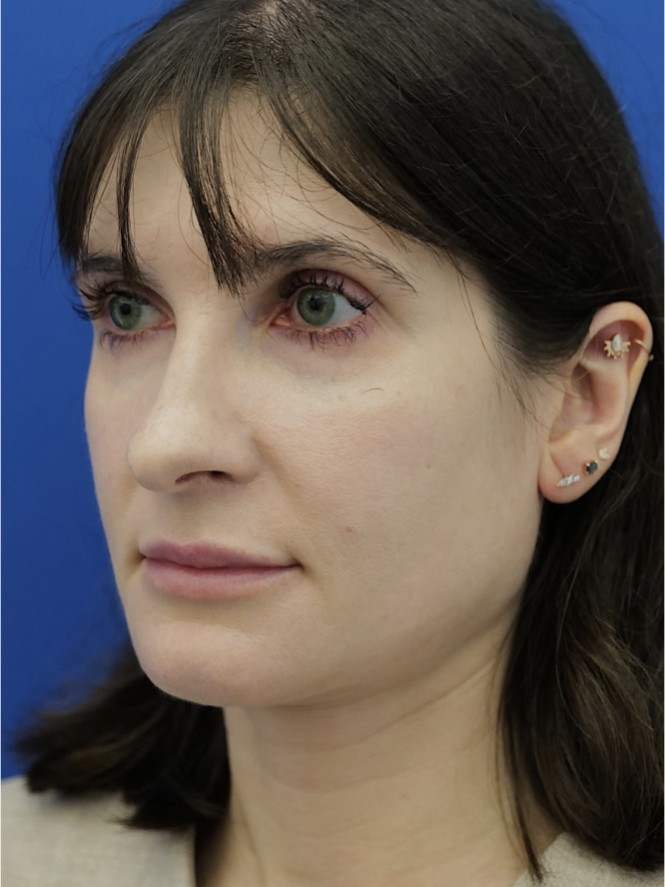
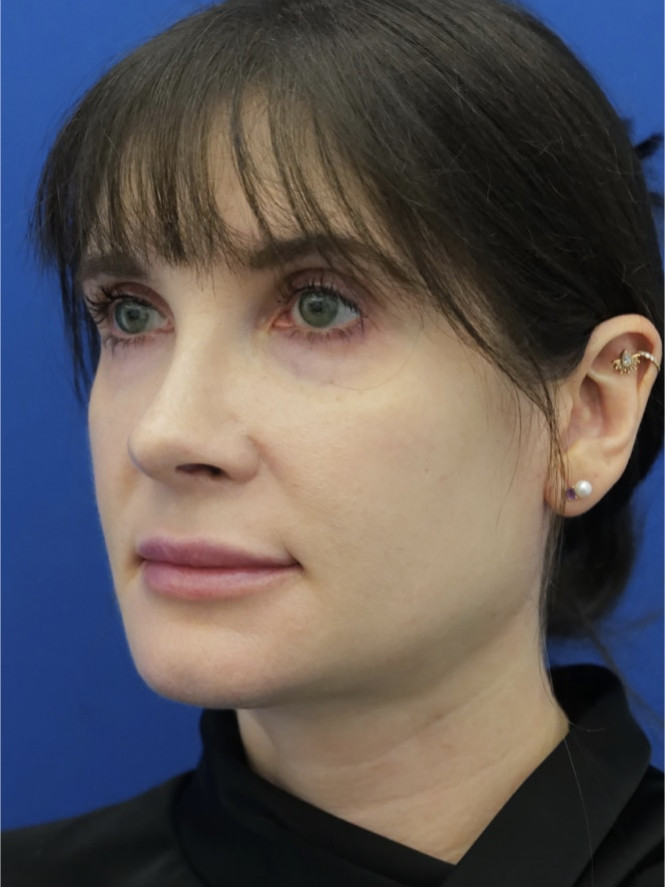
Individual results vary.
Explore other options as part of an individualized treatment discussion.
Injectables, fillers, and laser treatments remain available for patients exploring non-surgical care. Your consultation can help clarify which options fit your goals.
Explore Non-Surgical Options/// FIND THE RIGHT INJECTABLE FOR YOU
Read patient feedback published by the practice and on independent review platforms.
Patient feedback includes experiences with facelift, rhinoplasty, eyelid surgery, otoplasty, and revision procedures.
Read practice testimonialsPublished feedback also covers injectable treatments, liquid rhinoplasty, BOTOX®, fillers, and laser services.
Read practice testimonialsVisit Dr. Mao's RealSelf profile for additional patient reviews and procedure information.
View RealSelf reviewsWelcoming patients from Branford, Cheshire, East Haven, Fairfield, Milford, North Haven, Orange, Shelton, Southport, Weston, Westport, Wilton, Woodbridge, New Canaan, Darien, and surrounding Connecticut communities.
Mao Facial Plastic Surgery 200 S Orange Center Rd
Meet with Dr. Johnny Mao to discuss your aesthetic goals and available facial rejuvenation options.
Request a Consultation Call (203) 907-0501