Rhinoplasty
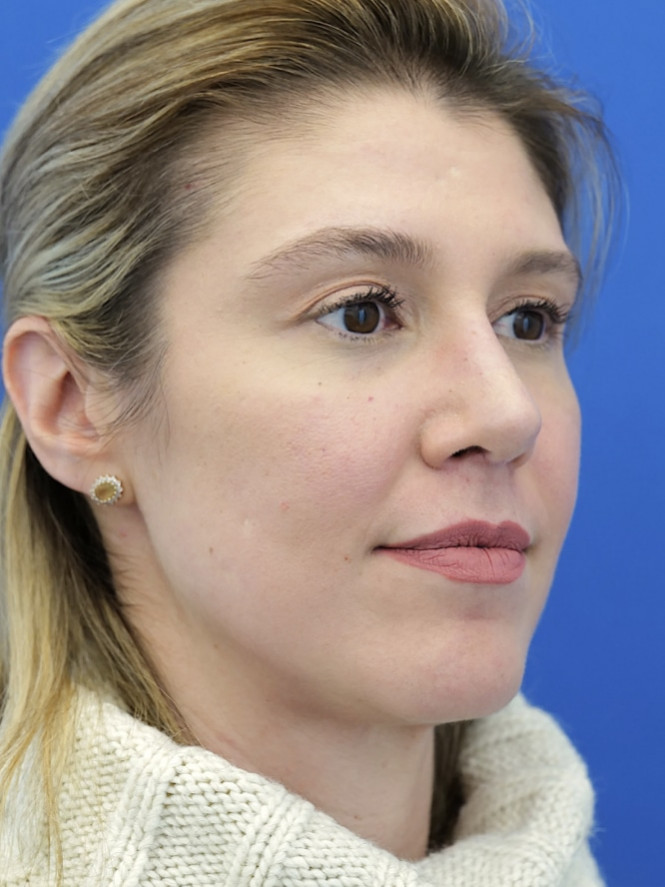
Case 6903 · Dorsal Hump and Finesse Tip
View case details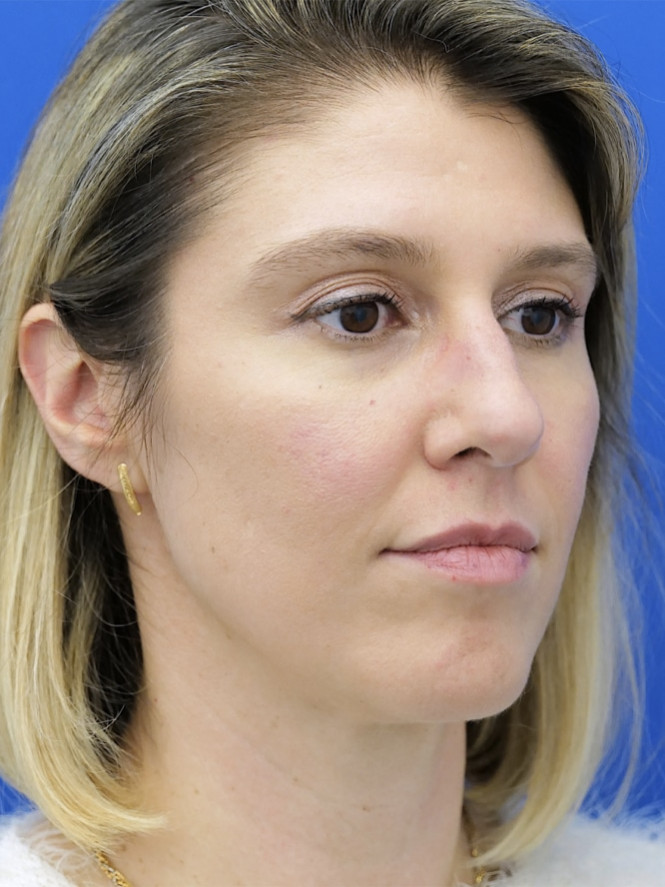

Considering rhinoplasty? You’re not alone! This guide is designed to provide you with all the essential information about rhinoplasty surgery, helping you achieve natural results while minimizing any anxiety you may have. Let’s dive into what you need to know before taking this transformative step.
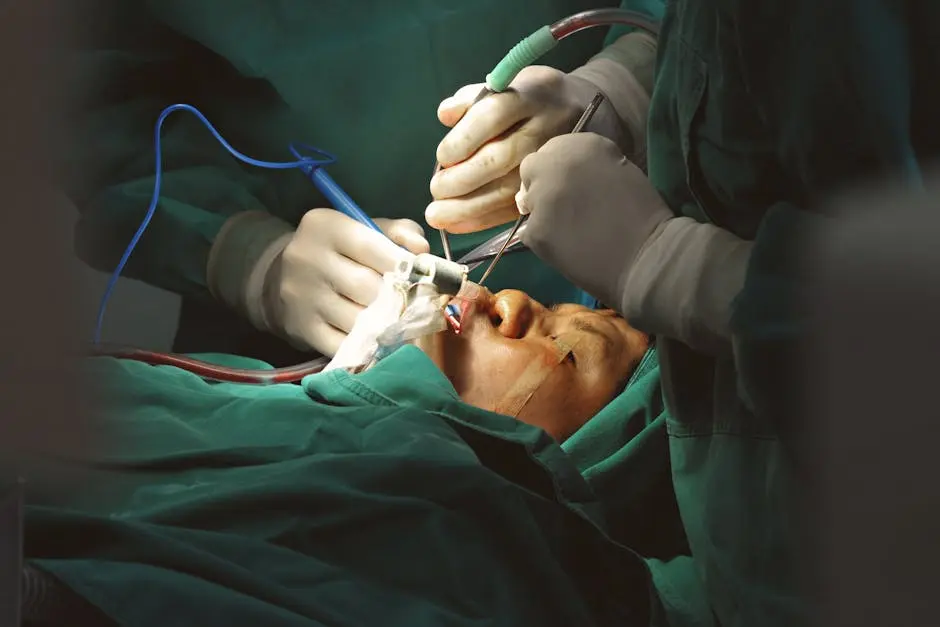
Rhinoplasty, commonly known as a nose job, is a surgical procedure that alters the shape and size of the nose. This transformative surgery can enhance facial harmony, improve symmetry, or correct imperfections. Let’s explore what this surgery can do and who it’s for.
For many, the nose is a defining feature of one’s face. A well-proportioned nose can lead to increased self-confidence and satisfaction with one’s appearance. Rhinoplasty isn’t just about aesthetics; it’s also about restoring functionality for those who have experienced trauma or have respiratory issues. So, whether your motivations are cosmetic or functional, it’s essential to approach this procedure with personal clarity.
People choose rhinoplasty for various reasons, whether it’s for aesthetic improvements, to correct breathing issues, or to repair deformities. Understanding your motivation is crucial, as this shapes your expectations and the desired outcome.
Let’s take a closer look. Some individuals seek rhinosplasty to correct a bump or a wide nasal bridge, while others may wish to refine a bulbous tip. In addition, many patients come in for a consultation to address long-standing concerns about the facial profile they wish had been different. This kind of reflective thought is essential, as it can help in articulating what exactly you would like to change. But it’s not just about looks—functional issues are equally valid. Many experience difficulty breathing due to a deviated septum or other structural problems. Seeking rhinoplasty can mean reclaiming an effortless breath.
There are two primary types of rhinoplasty: closed and open. Each has its advantages depending on the desired results and specific circumstances of the patient.
In closed rhinoplasty, all incisions are made within the nostrils, which can lead to quicker recovery and minimal visible scarring. This technique is often favored for smaller adjustments. On the other hand, open rhinoplasty involves an external incision on the columella, allowing the surgeon to have a greater view and access to the underlying structures. This method is usually employed for more complex cases. Understanding these options can empower you to ask the right questions during your consultation, ensuring that your choices are informed.
Selecting a qualified and experienced surgeon is critical for achieving natural results. Here’s what to look for when making your choice.
It’s not just about credentials; take the time to research their previous work, paying close attention to before-and-after photos from past patients. Trust your instincts when it comes to comfort and communication. You should feel at ease asking questions and voicing concerns. A great surgeon will want to build a rapport with you, understanding your goals and desires, while also setting realistic expectations. After all, this is a collaborative journey, and selecting the right partner is crucial to your success.
The initial consultation is your chance to ask questions and express your goals. This step is vital for establishing trust and clarity with your surgeon.
During this meeting, you’ll discuss your medical history, undergo a physical examination, and share photographs or examples of desired outcomes. It’s a great opportunity to express any anxieties you may have. Remember, no question is too trivial! Your surgeon wants to ensure you understand every aspect of the procedure. This consultation not only informs you but also allows the surgeon to assess if you are a suitable candidate. It’s a key step that lays the groundwork for a successful outcome and minimizes misunderstandings later on.
Preparation can ease anxiety and contribute to smoother surgery and recovery. Learn about what to expect in the days leading up to your rhinoplasty.
In the weeks before your surgery, it’s essential to optimize your health by avoiding certain medications and supplements that may increase bleeding. Additionally, arranging for a comfortable recovery space at home is equally important. This means having plenty of pillows, hydration options, and soft foods available. Taking time off work is also advisable; recovery can be a few weeks, and you’ll want to allow your body the space it needs to heal properly without pressure or stress. Mental preparation is equally significant. Consider utilizing relaxation techniques such as deep breathing or meditation as your surgery date approaches.
Understanding the surgical process can alleviate concerns. Here’s a breakdown of what happens during your rhinoplasty.
On the day of your surgery, you’ll arrive at the facility, where you’ll be greeted by your surgical team. After a brief discussion, anesthesia will be administered to keep you safe and comfortable throughout the operation. The surgery itself can take anywhere from one to a few hours, depending on the complexity of the procedure. Some patients only need adjustments, while others may require extensive reshaping. After your surgery, you’ll spend some time in recovery, monitored closely by medical staff until you’re ready to head home. Understanding each step can bring peace of mind—knowledge is powerful!
Healing is just as important as the surgery itself. Find out how to care for yourself after rhinoplasty to achieve the best results and speed up recovery.
In the days following your procedure, rest is your best friend. You may feel uncomfortable, and that’s perfectly normal. Keeping your head elevated and following your surgeon’s advice regarding ice application can help reduce swelling. Additionally, be gentle with your nose—no strenuous activities or blowing your nose. Staying hydrated and taking prescribed medications will aid your recovery significantly. Regular follow-ups with your surgeon will ensure that your healing is progressing well. Embrace this time to relax and pamper yourself; it’s all part of the process!
It’s essential to have realistic expectations about the outcomes of rhinoplasty. Let’s discuss how you can maintain a positive mindset throughout your journey.
While many people are thrilled with their results, it’s important to acknowledge that healing takes time, and final results may not be fully visible for several months. This period can be challenging, especially with swelling and bruising being common. Focus on gradual improvements rather than immediate perfection. Having a supportive network of friends and family can also make a significant difference in maintaining a positive outlook as you navigate through recovery. Lastly, embrace your unique journey—everyone heals at their own pace, and understanding this process can help you appreciate the outcome even more.
Rhinoplasty surgery can be a life-changing decision for many, but it’s essential to approach it with knowledge and care. By following this guide, you are better equipped to make informed choices and collaborate effectively with your surgeon for the best possible outcomes. Remember, your journey toward natural results starts with understanding what’s involved!
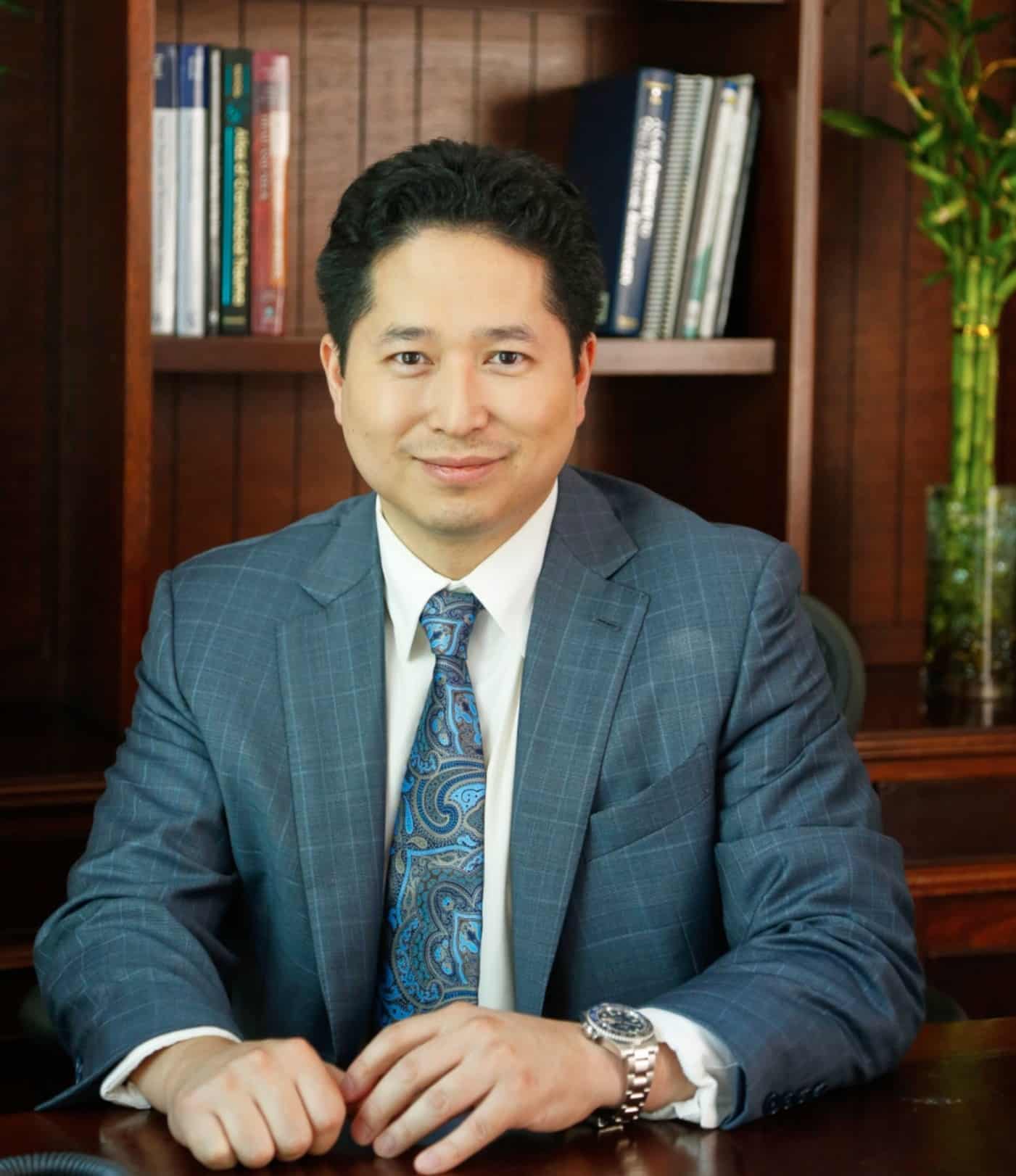
Get to know the surgeon behind Mao Facial Plastic Surgery.
Dr. Johnny Mao’s practice focuses on facial plastic and reconstructive surgery, with surgical and non-surgical options tailored to individual concerns. A consultation is the opportunity to discuss your features, your goals, and the care that may be appropriate for you.
Visit our Orange office to ask questions about treatment options, recovery, and follow-up, and learn more about Dr. Mao’s background and approach to care.
Treatment recommendations based on your anatomy, concerns, and desired outcome — never a one-size-fits-all approach.
Results designed to look natural and harmonious with your existing features rather than overdone.
Clear communication and support before, during, and after treatment so you always know what to expect.
Discuss your concerns and goals in a private, unhurried setting and learn about your options.
Receive a recommended treatment plan with realistic expectations and a clear timeline.
Our team is available throughout your recovery with follow-up visits and guidance.
Selected by Dr. Mao. Explore these featured transformations, then discover more patient results in our full gallery.
Showing 12 featured cases
A selection of Dr. Mao's patient results. Browse the full gallery for more before-and-after photos by procedure.
Case 6903 · Dorsal Hump and Finesse Tip
View case detailsCase 3291 · Nasal Profile Bliss
View case details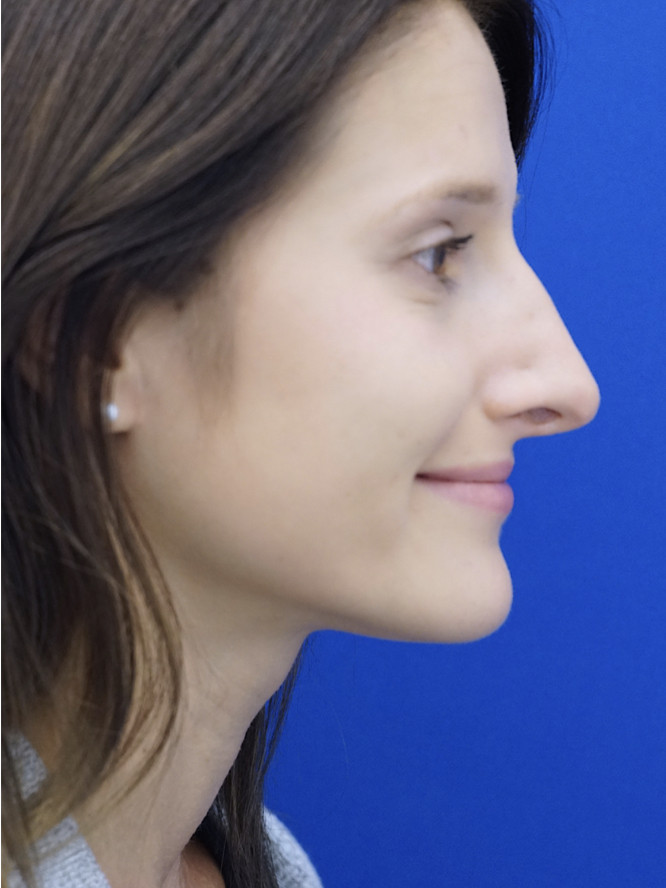
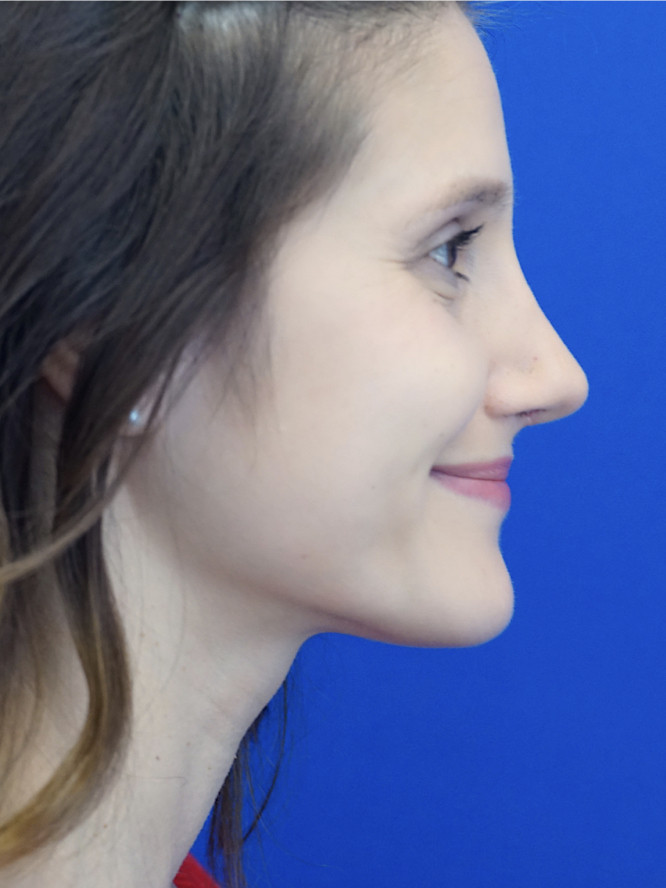
Case 6821 · Deep Plane Lower Facelift
View case details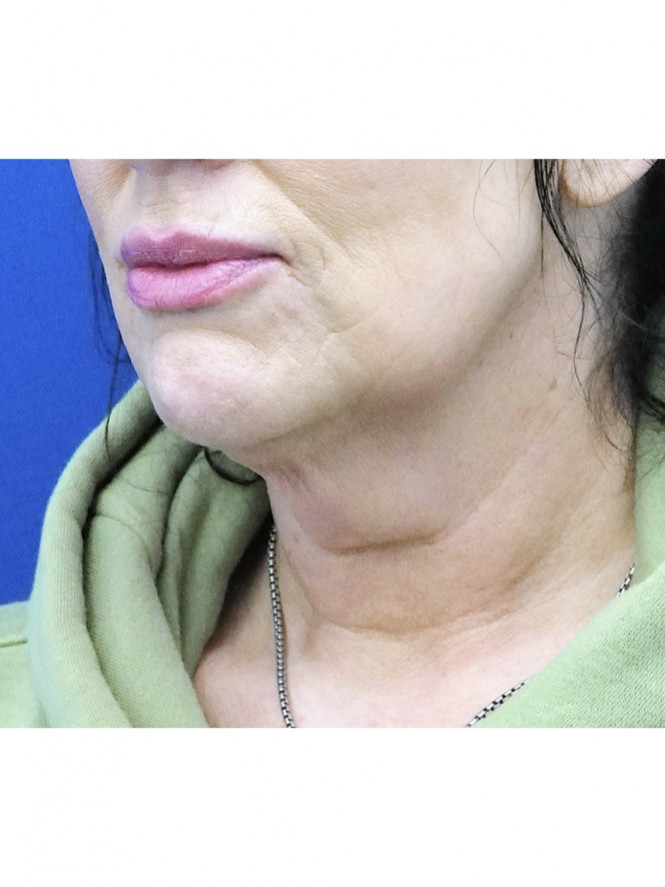
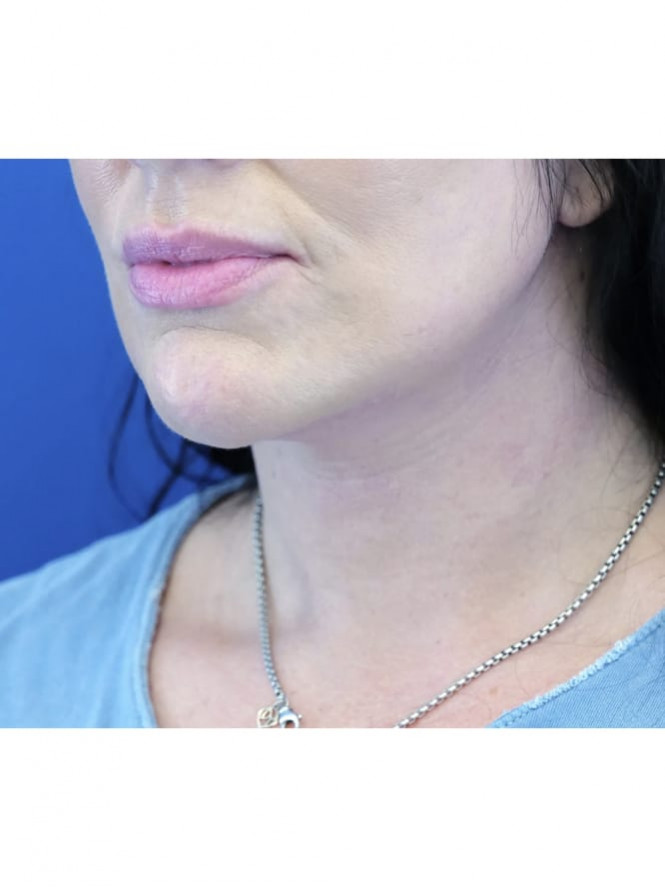
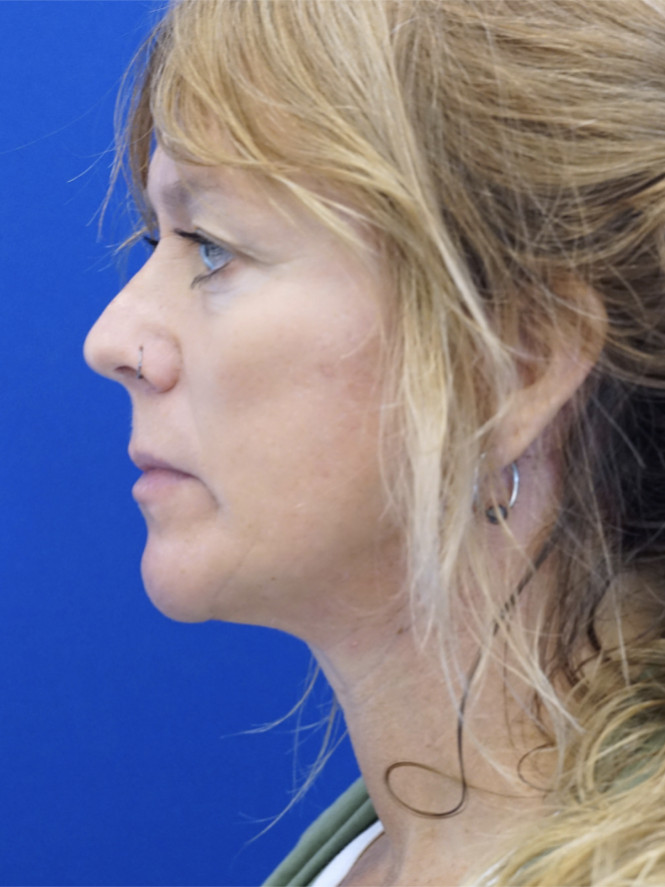
Case 5704 · Fantastic Facial Profile
View case details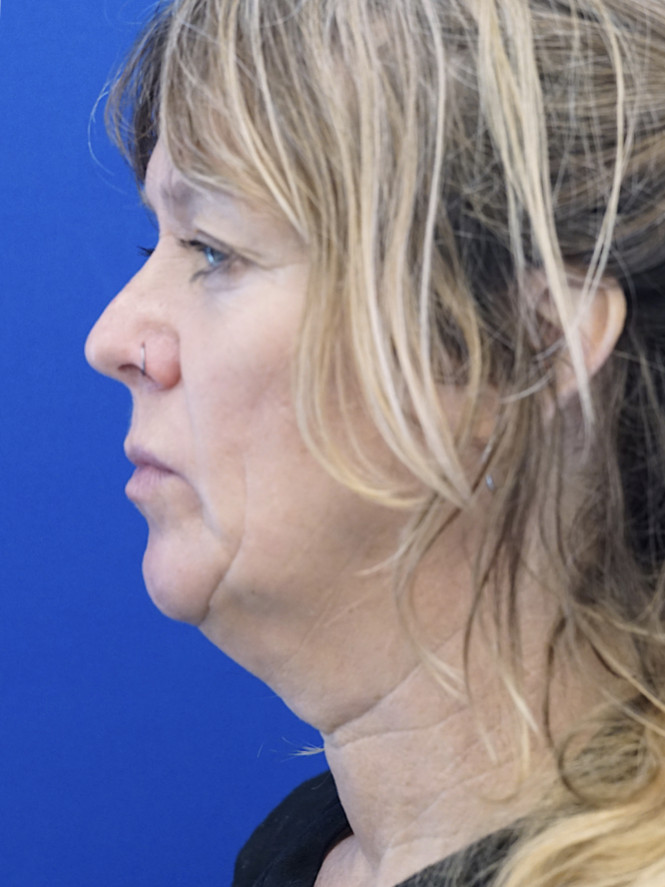
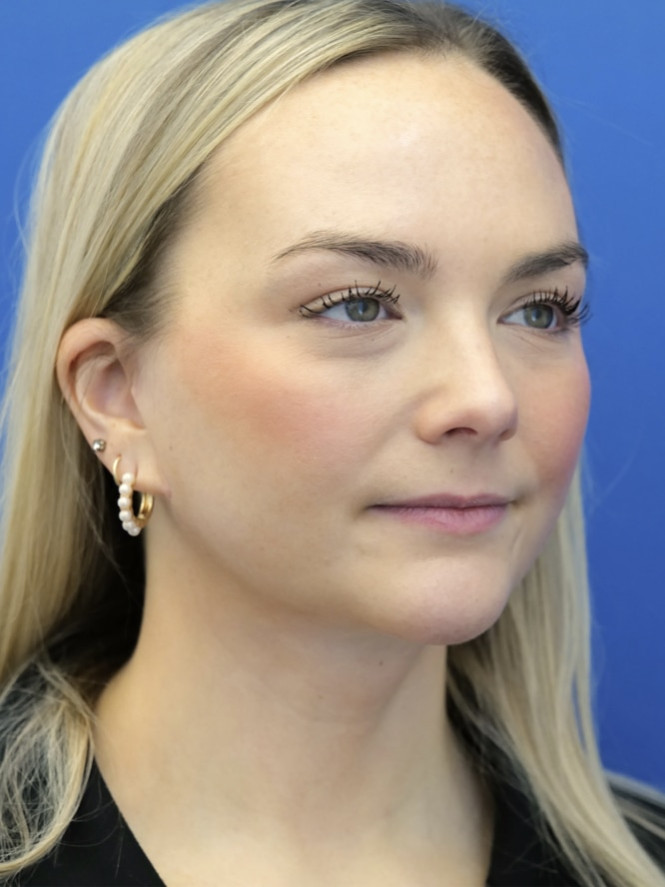
Case 7154 · Natural Result
View case details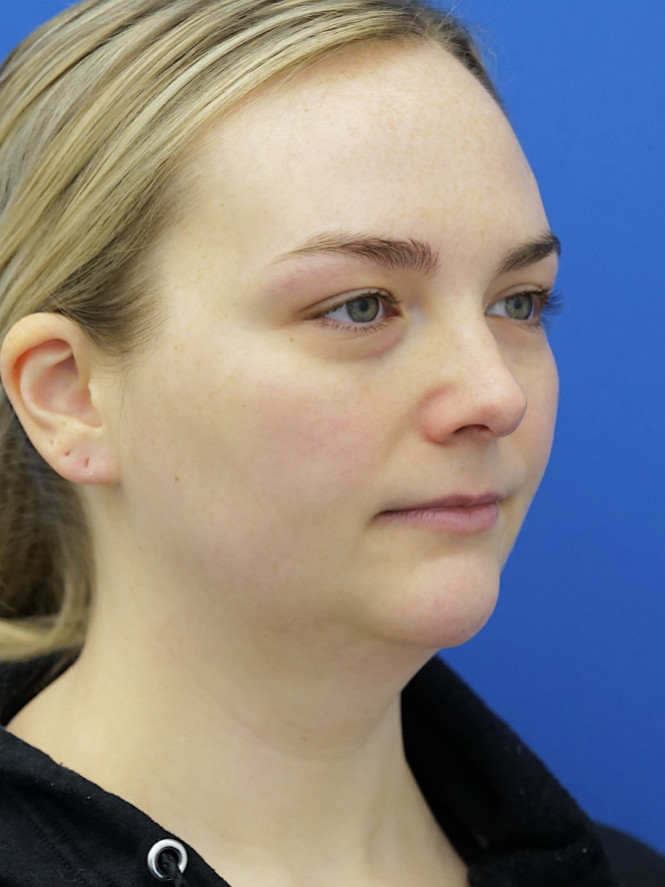
Case 6868 · Brow Fat Suspension
View case details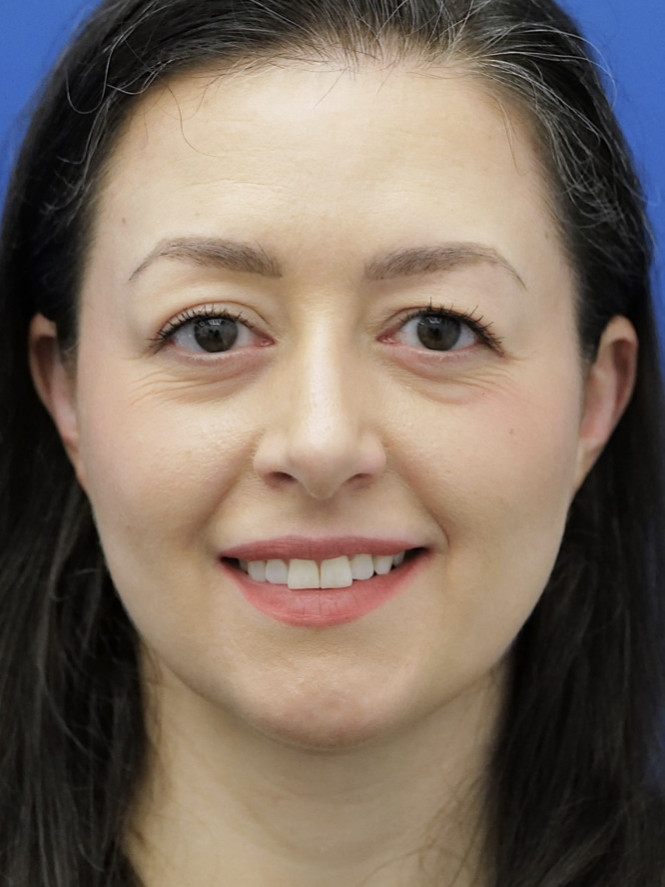
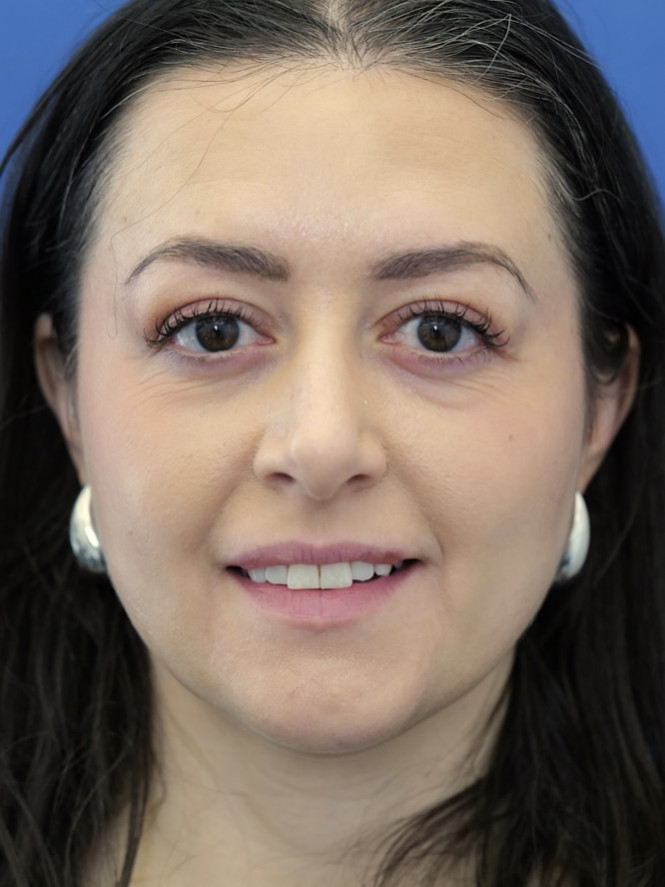
Case 7252 · Lower Lid Fat Reposition
View case details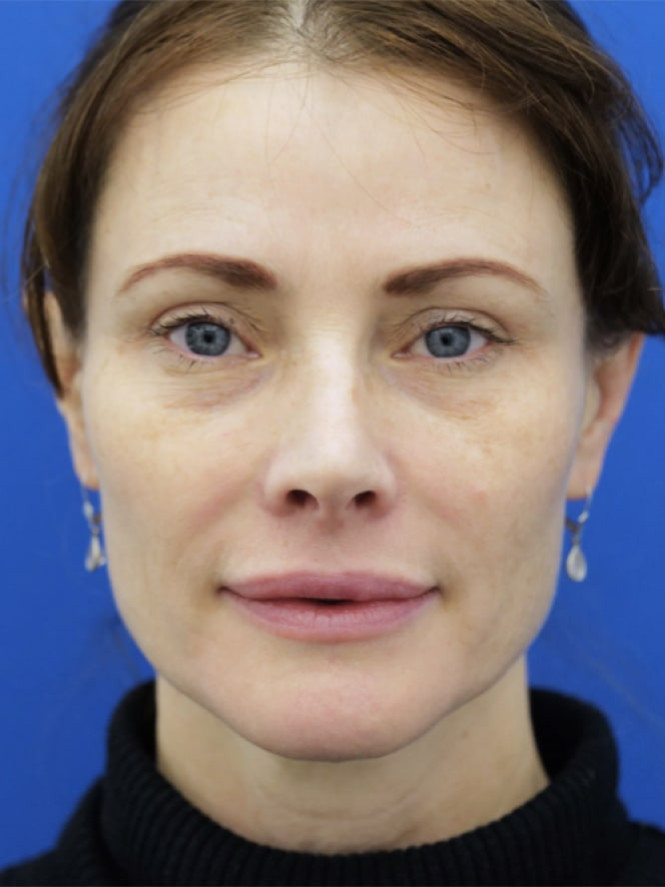
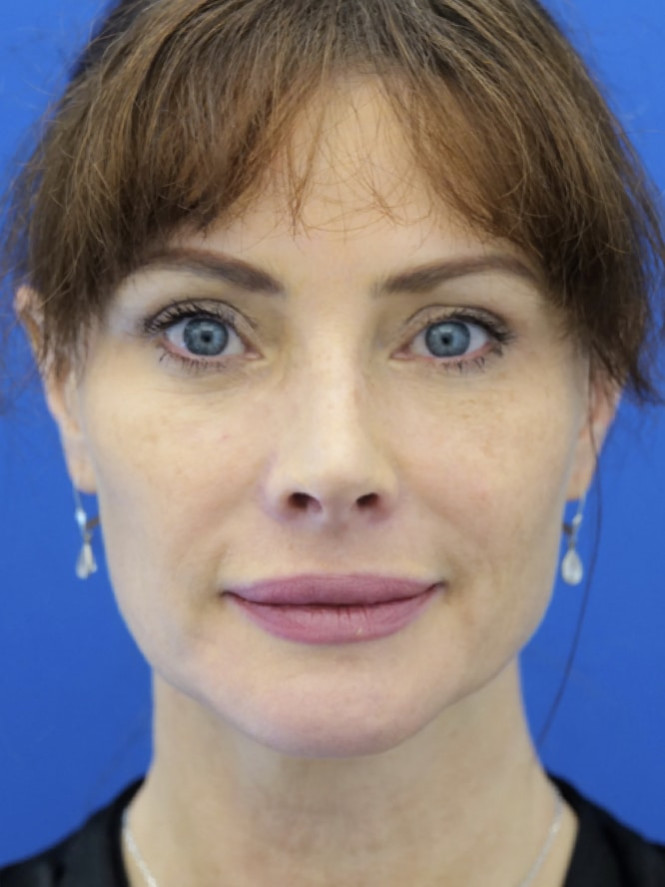
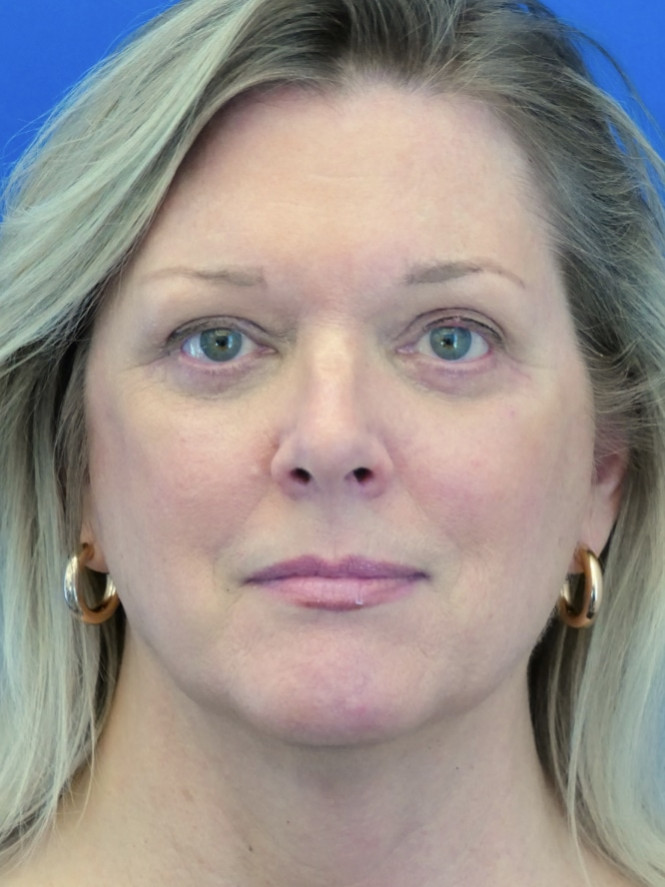
Case 6655 · Endoscopic Browlift, Quad Blepharoplasty
View case details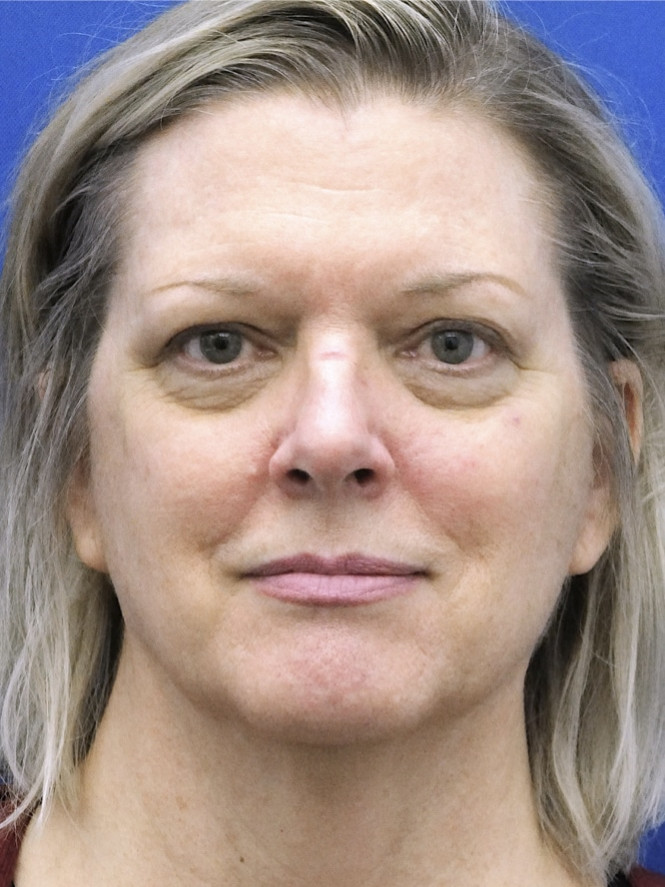
Case 2323 · Vertical Lengthening Chin*
View case details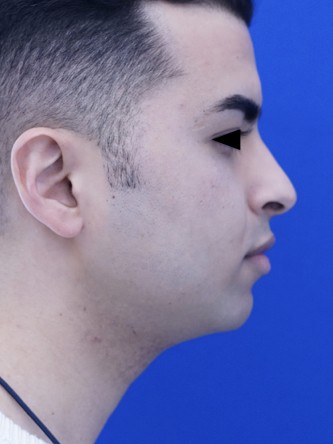
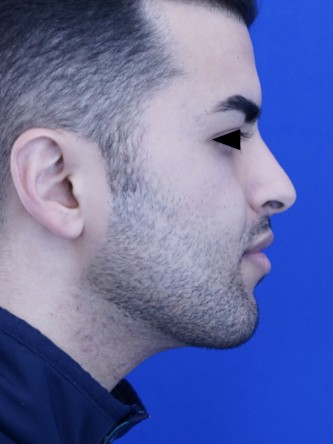
Case 6966 · Ridge Creation and Setback
View case details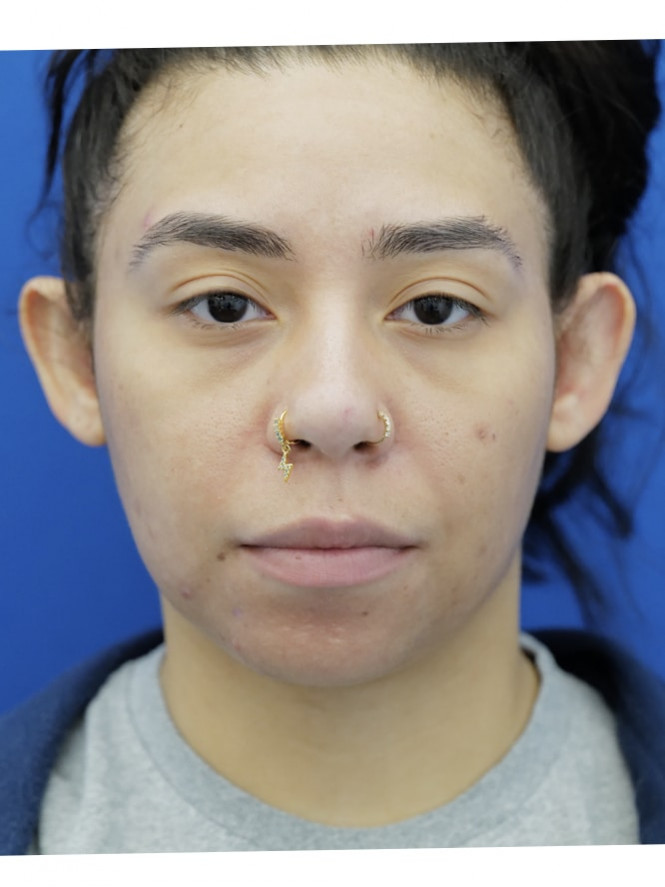
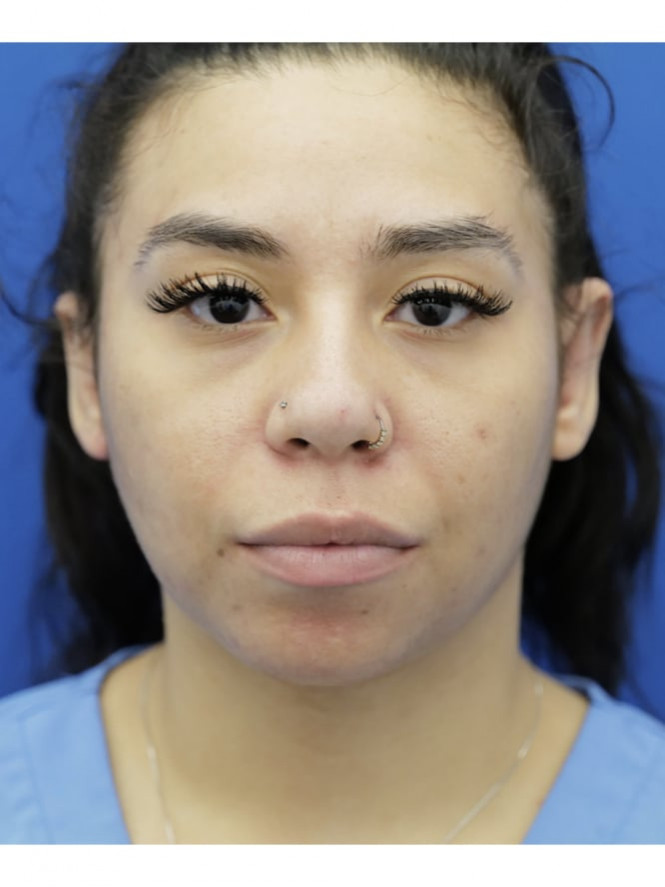
Case 7561 · Awesome Jawline
View case details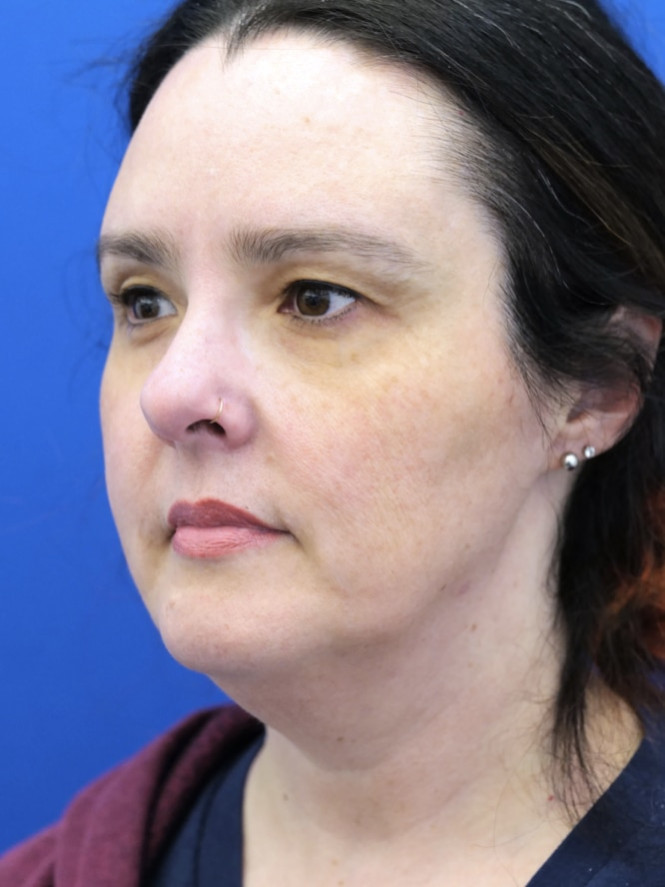
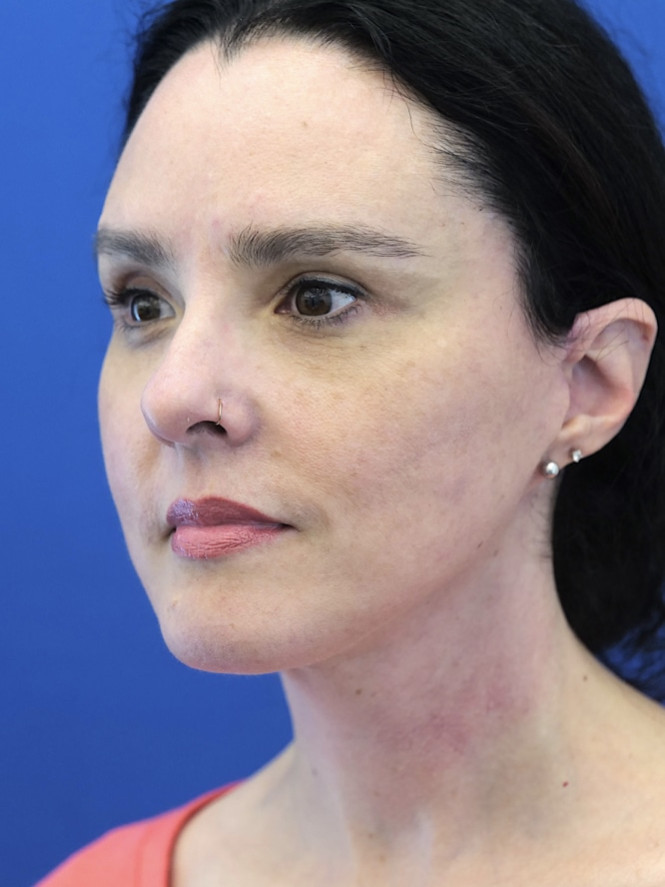
Case 7566 · Preserving Tip Surface Aesthetics
View case details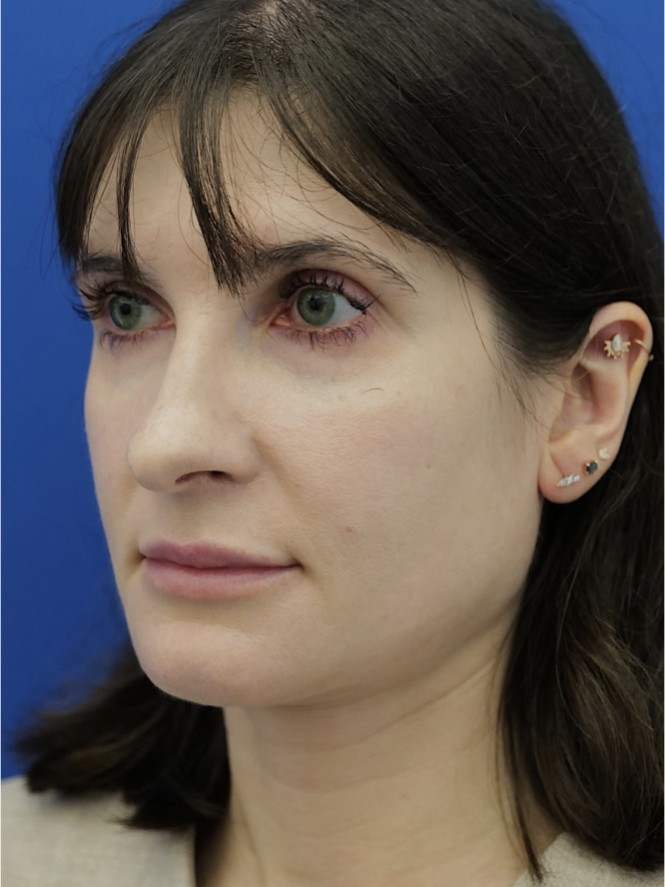
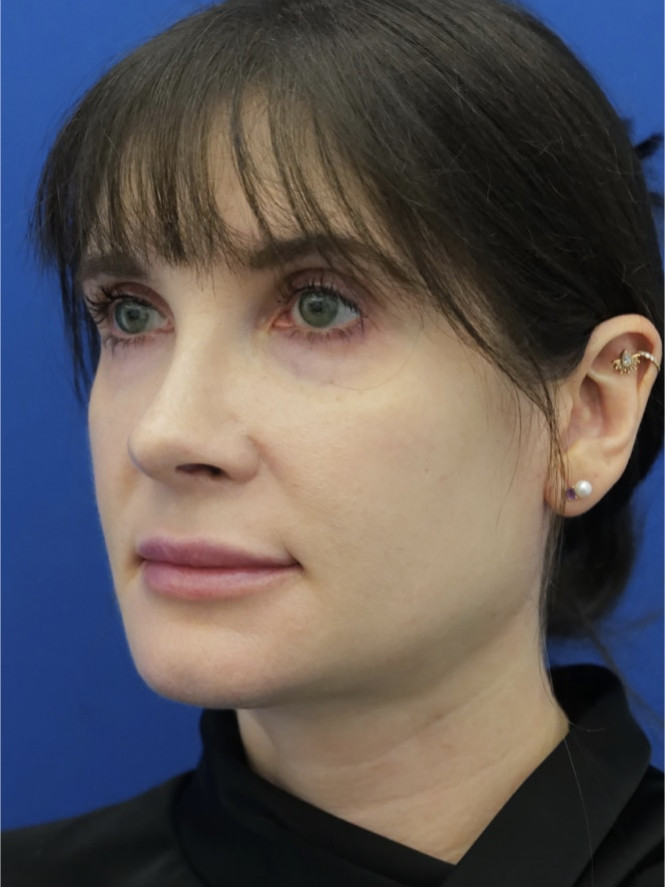
Individual results vary.
Explore other options as part of an individualized treatment discussion.
Injectables, fillers, and laser treatments remain available for patients exploring non-surgical care. Your consultation can help clarify which options fit your goals.
Explore Non-Surgical Options/// FIND THE RIGHT INJECTABLE FOR YOU
Read patient feedback published by the practice and on independent review platforms.
Patient feedback includes experiences with facelift, rhinoplasty, eyelid surgery, otoplasty, and revision procedures.
Read practice testimonialsPublished feedback also covers injectable treatments, liquid rhinoplasty, BOTOX®, fillers, and laser services.
Read practice testimonialsVisit Dr. Mao's RealSelf profile for additional patient reviews and procedure information.
View RealSelf reviewsWelcoming patients from Branford, Cheshire, East Haven, Fairfield, Milford, North Haven, Orange, Shelton, Southport, Weston, Westport, Wilton, Woodbridge, New Canaan, Darien, and surrounding Connecticut communities.
Mao Facial Plastic Surgery 200 S Orange Center Rd
Meet with Dr. Johnny Mao to discuss your aesthetic goals and available facial rejuvenation options.
Request a Consultation Call (203) 907-0501